Sen. Bill Cassidy’s warning that Donald Trump’s proposed $5,000 payments would be “absolutely inflationary” puts a price tag on the political risk of another round of deficit-financed stimulus: higher borrowing costs for households, more pressure on the Federal Reserve, and a fresh test of how serious Washington is about inflation after years of fighting it.
Trump $5,000 checks draw inflation warning

That matters because the debate is no longer theoretical. Cassidy, a Republican from Louisiana, argued on CBS’ “Face the Nation” that if the government borrows to fund checks, it will push up mortgage rates, auto loan costs and credit card rates at a time when many families are already stretched. In other words, even a populist cash handout can backfire if it revives the same inflation dynamic that has made housing and consumer credit so painful.
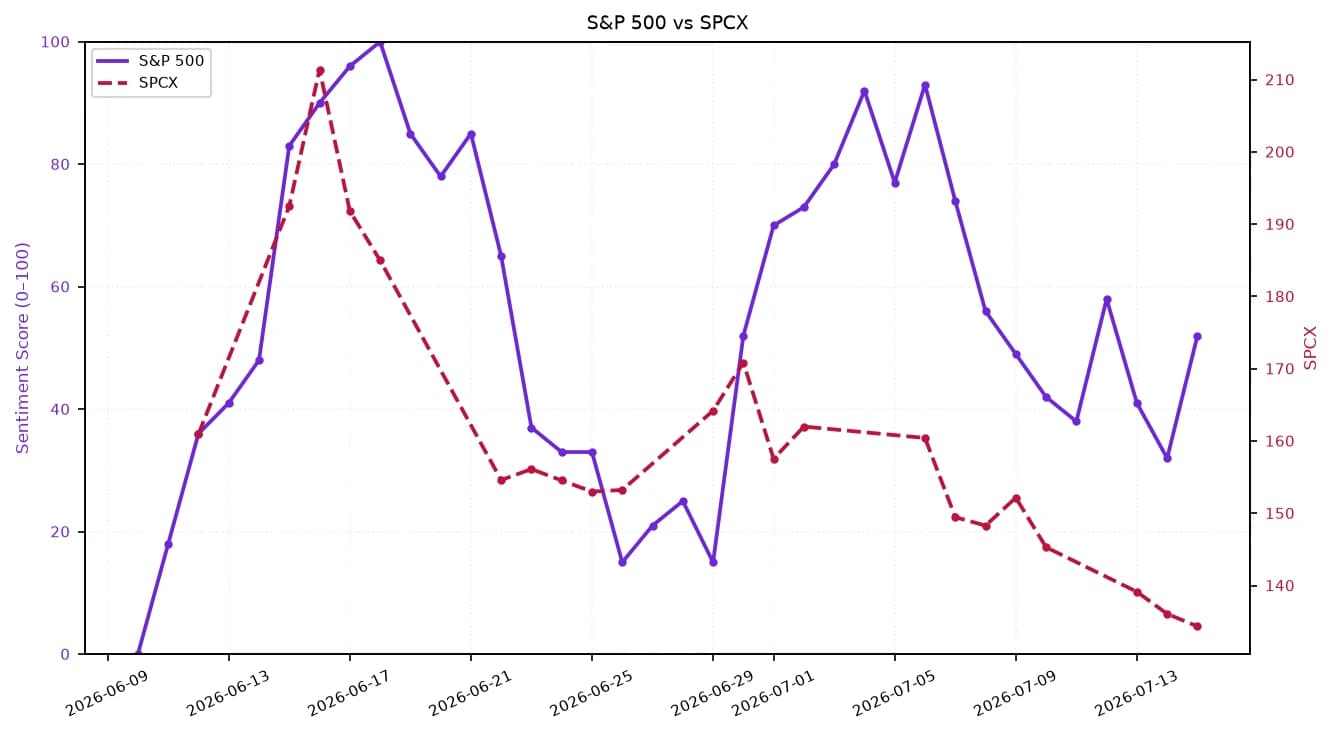
Sentiment IndicatorsⓘProprietary · adalytica.com · September 23, 2026
This is a snapshot — live sentiment, awareness and momentum for 130+ markets update continuously in the dashboard.Open AlphaPulse
The political split is especially notable because Trump’s idea is being floated inside his own party. Treasury Secretary Scott Bessent has said he is exploring ways to send the checks “without involving Congress,” even as the U.S. national debt stands at about $40 trillion. That combination — larger deficits, executive ambition and little appetite for fiscal restraint — is exactly the kind of mix that tends to unsettle bond investors.
For markets, the issue is simple: more government borrowing can mean higher yields, and higher yields feed through to the cost of capital across the economy. That is one reason Treasury bond prices have remained under pressure at times even when growth expectations soften. The 10-year yield is the key transmission mechanism investors watch most closely because it influences mortgages, corporate borrowing and equity valuations.
CPIAUCSL vs FEDFUNDS — macro contextadalytica.com
Explore this data interactively — full history, time series and cross-market comparisons.Open AlphaPulse
The stock market, meanwhile, is being forced to balance two competing effects. On one hand, direct checks can boost spending in the near term and lift retailers, consumer brands and travel names. On the other, if investors conclude the policy would worsen inflation or enlarge the deficit, longer-term winners may be scarce while rate-sensitive sectors such as homebuilders, small caps and heavily indebted companies could take the hit. Higher rates also tend to compress valuations for growth stocks by reducing the present value of future earnings.
Cassidy’s comments also underscore a deeper problem for investors: the inflation fight is not finished just because the latest readings have cooled. The broader backdrop still argues for caution. Price pressures remain a live policy risk, and any move that stokes demand without adding supply can make the Federal Reserve’s job harder. That is why the debate over checks is really a debate over whether Washington wants short-term relief or long-term stability.
For long-term investors, the lesson is to focus less on the headline-grabbing promise of a one-time payment and more on the durability of the economic framework around it. Fiscal discipline tends to support lower borrowing costs, steadier inflation and healthier valuations over time. If Trump’s proposal advances, it will be worth watching not for the checks themselves, but for what they say about deficits, rates and the next phase of the inflation story.
| Entity | Gains | Losses |
|---|---|---|
| Households receiving checks | ▲Short-term cash boost | ▼Higher inflation risk |
| Treasury bond investors | ▲— | ▼More supply, higher yields |
| Rate-sensitive stocks | ▲Near-term spending lift | ▼Higher discount rates |
| Trump political base | ▲Populist appeal | ▼Fiscal credibility |