Car prices across Japanese and premium brands are becoming the clearest read-through on how inflation, financing costs and shifting consumer priorities are reshaping auto demand — and the biggest opportunity may be in the companies and suppliers that can still sell value, not just prestige.
Toyota Pakistan Prices Highlight Auto Affordability
That is why Toyota’s pricing push in Pakistan, alongside the continuing spread between mass-market models and halo vehicles from Porsche, BMW and Mercedes-Benz, matters well beyond one local showroom. In a world where the US Consumer Price Index is still running at 334.131 and the 10-year Treasury yield is around 5%, affordability is no longer a side issue for buyers. It is the market. Car purchases are increasingly being decided by monthly payments, resale value and fuel efficiency, not badge appeal alone.
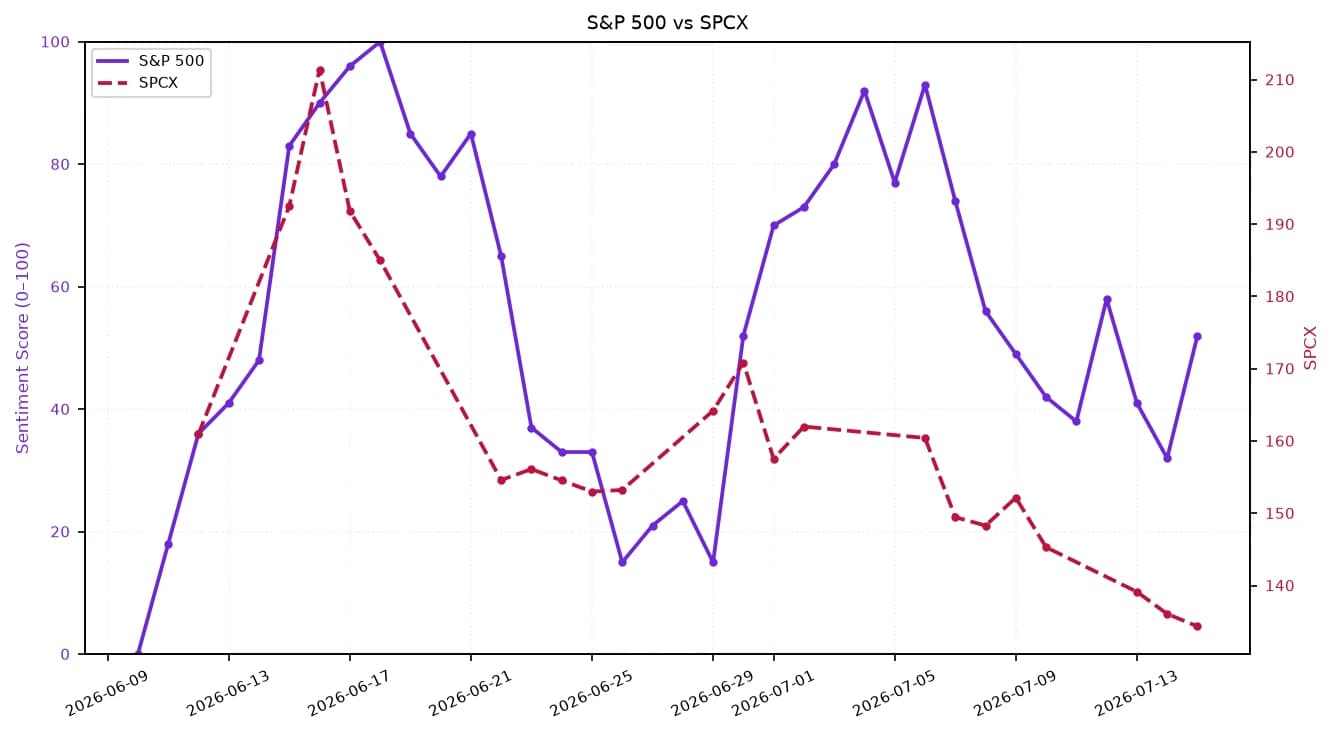
Sentiment IndicatorsⓘProprietary · adalytica.com · September 21, 2026
This is a snapshot — live sentiment, awareness and momentum for 130+ markets update continuously in the dashboard.Open AlphaPulse

Toyota is leaning into that reality. Its local price list shows a wide ladder of offerings, from the Corolla at PKR 6,169,000 and the Aqua at PKR 4,500,000 to the Land Cruiser at PKR 156,829,000. That spread tells investors something important: the auto market is fragmenting into two very different businesses. One is value-driven, where Japanese brands continue to win on reliability, efficiency and total cost of ownership. The other is premium, where demand is more insulated but far more dependent on wealth effects and financing conditions.
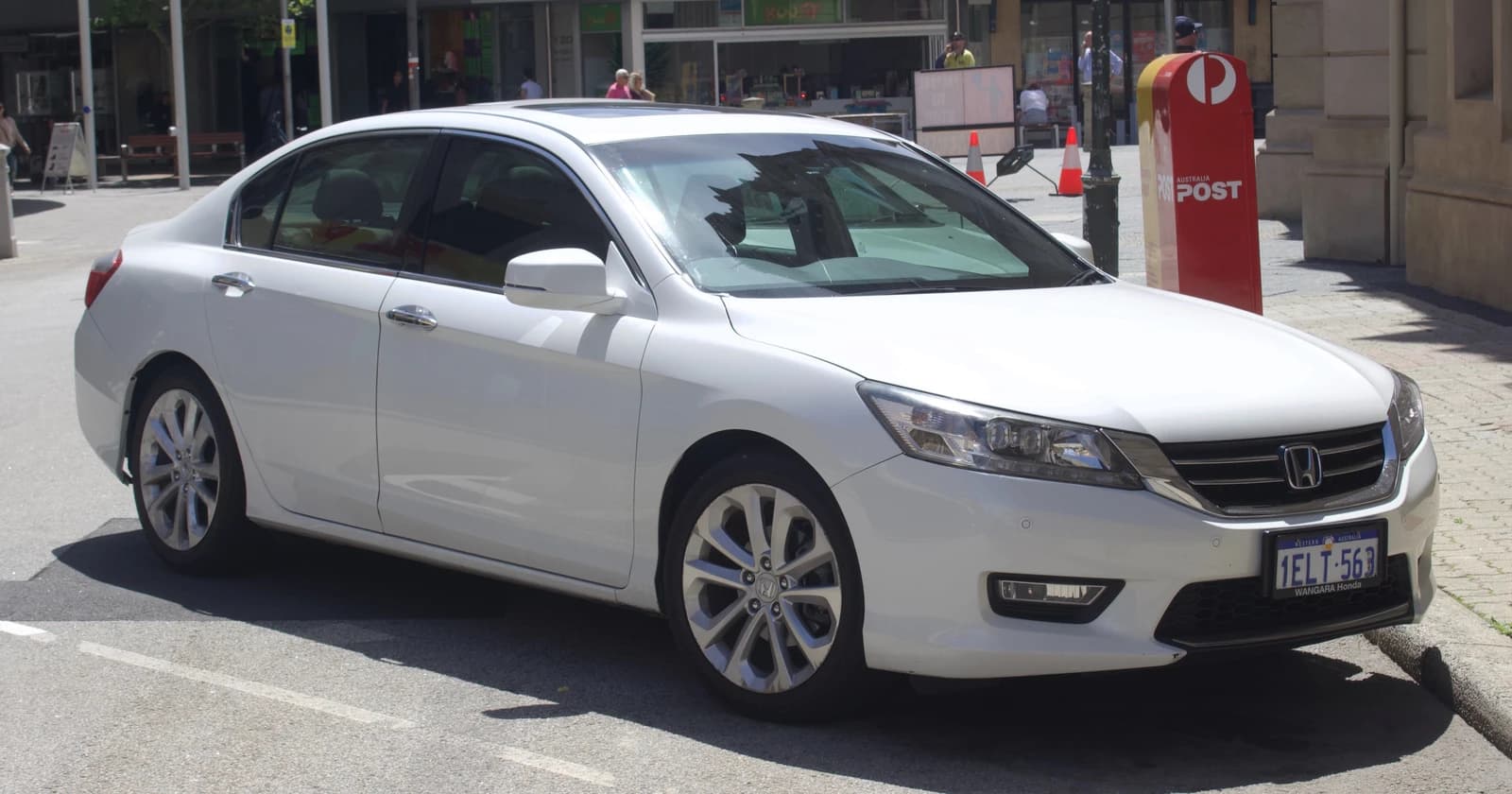
The macro backdrop is doing the work here. US unemployment remains low at 4.1%, but the Federal Reserve is still dealing with sticky inflation and elevated borrowing costs. That combination pressures the middle of the market first. Buyers can still spend, but they are trading down, stretching loan terms or deferring purchases. In that environment, hybrids and smaller displacement models become the sweet spot. Toyota’s strongest positioning remains exactly there, while Honda and other Japanese brands benefit from being seen as rational, durable buys rather than discretionary luxuries.

For investors, the setup favors the companies with pricing power in the affordable and electrified segments, plus the suppliers that support them. Toyota’s ability to defend share through product breadth and disciplined pricing is more valuable than a flashy margin story. Honda also stands to benefit if it can keep its core sedans and crossovers relevant while extending its hybrid push. On the other side, ultra-luxury names such as Porsche and Ferrari can still command strong economics, but their growth is more exposed to swings in global sentiment, rates and asset prices.
Tesla sits in a different lane, but the same affordability logic applies. Its shares have been volatile, and the stock is trading below its 200-day moving average even after recovering from summer weakness. Technical readings remain mixed, with RSI and moving averages showing a market still trying to decide whether Tesla is a growth story, a margin story or a price-cut story. In a higher-rate world, that uncertainty matters. Premium EV demand can still grow, but the market underestimates how sensitive volume is to financing conditions and sticker shock.
The bigger narrative is that the next phase of auto investing is not about who builds the most desirable car. It is about who can sell mobility at the right payment, with the right residual value, into a world where consumers are still price conscious and capital is no longer cheap. That is a tailwind for Toyota and Honda, a mixed picture for Tesla, and a more selective environment for Porsche, BMW and Mercedes-Benz.
If you want the high-conviction trade, focus on the brands that own affordability, hybrids and efficiency. That is where the market is still mispricing resilience.
| Entity | Gains | Losses |
|---|---|---|
| Toyota | ▲Value-share gains | ▼Premium-only rivals |
| Honda | ▲Affordable demand | ▼Rate-sensitive buyers |
| Tesla | ▲Long-term EV adoption | ▼Near-term valuation multiple |
| Porsche/Ferrari | ▲Wealthy customers | ▼Mass-market momentum |