Thailand plans to bring a cabinet package next week to cushion household living costs and support farm prices as a jump in oil prices threatens to lift inflation later this year, even though officials still expect full-year inflation to stay below 3%.
Thailand Prepares Cabinet Package to Ease Living Costs

The proposal underscores how quickly higher energy prices can spill into transport, food and household expenses in an import-dependent economy. Deputy Prime Minister and Commerce Minister Suphajee Suthumpun said the government is weighing funding from the central budget, loans or the oil fund to get the most benefit to consumers and farmers.
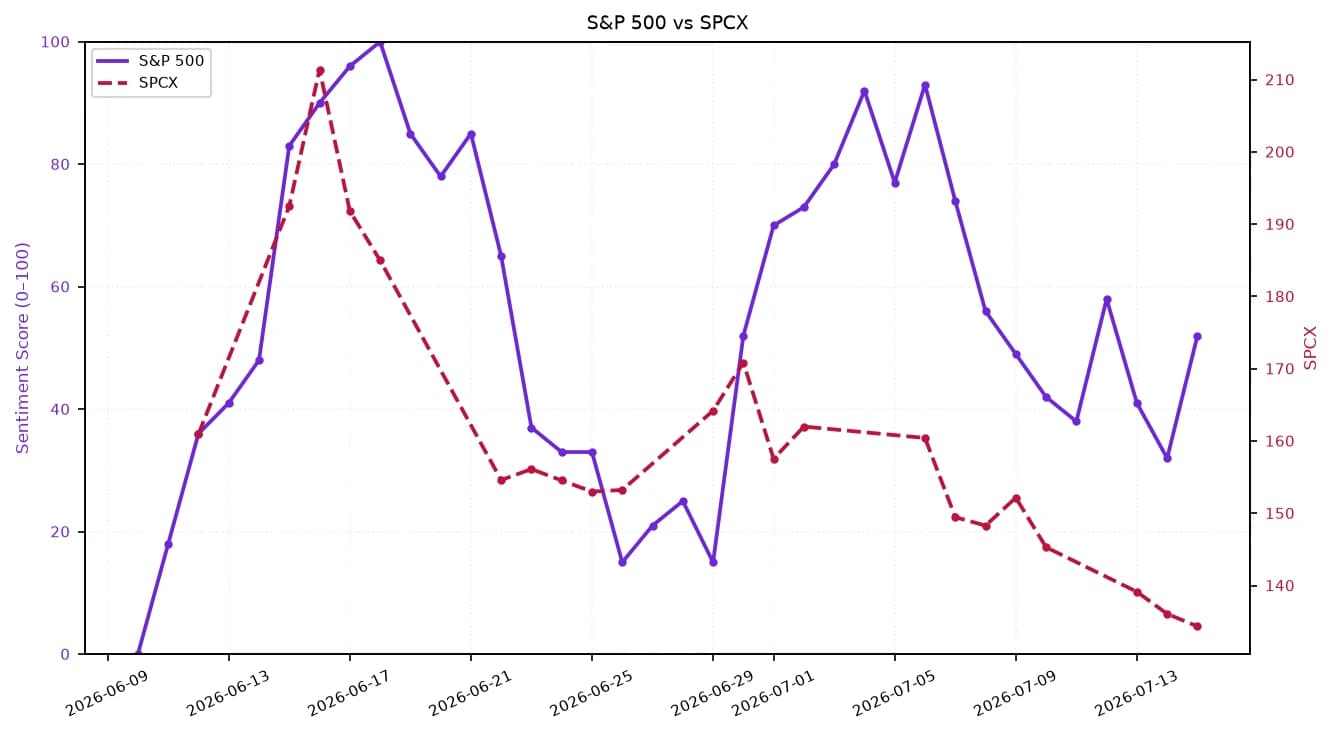
Sentiment IndicatorsⓘProprietary · adalytica.com · September 20, 2026
This is a snapshot — live sentiment, awareness and momentum for 130+ markets update continuously in the dashboard.Open AlphaPulse
The move comes after oil prices rose sharply, with Brent and U.S. crude both moving higher in recent sessions. U.S. crude recently traded above $153 a barrel in the context data, while Thai diesel was cited at about 39-40 baht a litre, far below Singapore’s roughly 106 baht, reflecting ongoing state support through the fuel fund.
Suphajee said Thailand’s inflation rate has averaged below 2% over the past seven to eight months, but should edge higher toward the end of the year as energy costs rise. Even so, she said the annual rate should remain under 3%, keeping price pressures milder than in some regional peers.
DCOILWTICO vs CPIAUCSL — macro contextadalytica.com
Explore this data interactively — full history, time series and cross-market comparisons.Open AlphaPulse
For investors, the message is that Bangkok is signaling more targeted subsidies rather than broad price controls. That limits the risk of a sharp inflation overshoot, but it can also keep fiscal support and the oil fund under pressure if crude remains elevated.
The government’s concern is not just fuel but the knock-on effect on agricultural goods and other living costs, which can hit rural incomes and consumer spending. Suphajee said the Commerce Ministry does not have authority to set fuel prices, leaving pricing and energy policy to the Energy Policy Administration Committee, while its role is limited to enforcing posted prices and product standards.
The cabinet decision next week will be the key near-term catalyst for markets and households alike, especially if oil stays near multi-month highs and the war-driven supply disruptions that officials cited continue to keep transport routes constrained.
| Entity | Gains | Losses |
|---|---|---|
| Thai households | ▲more price relief | ▼less certainty on future costs |
| Thai farmers | ▲possible income support | ▼higher input and transport costs |
| Thai government | ▲inflation contained below 3% | ▼bigger subsidy burden |
| Oil producers | ▲stronger fuel prices | ▼consumers and importers |