Tesla is moving its Semi closer to a genuine European launch, but the first clear specifications suggest the truck will have to compete on more than brand recognition in a market already dominated by established heavy-duty players.
Tesla Semi Europe Launch Specs and Competition
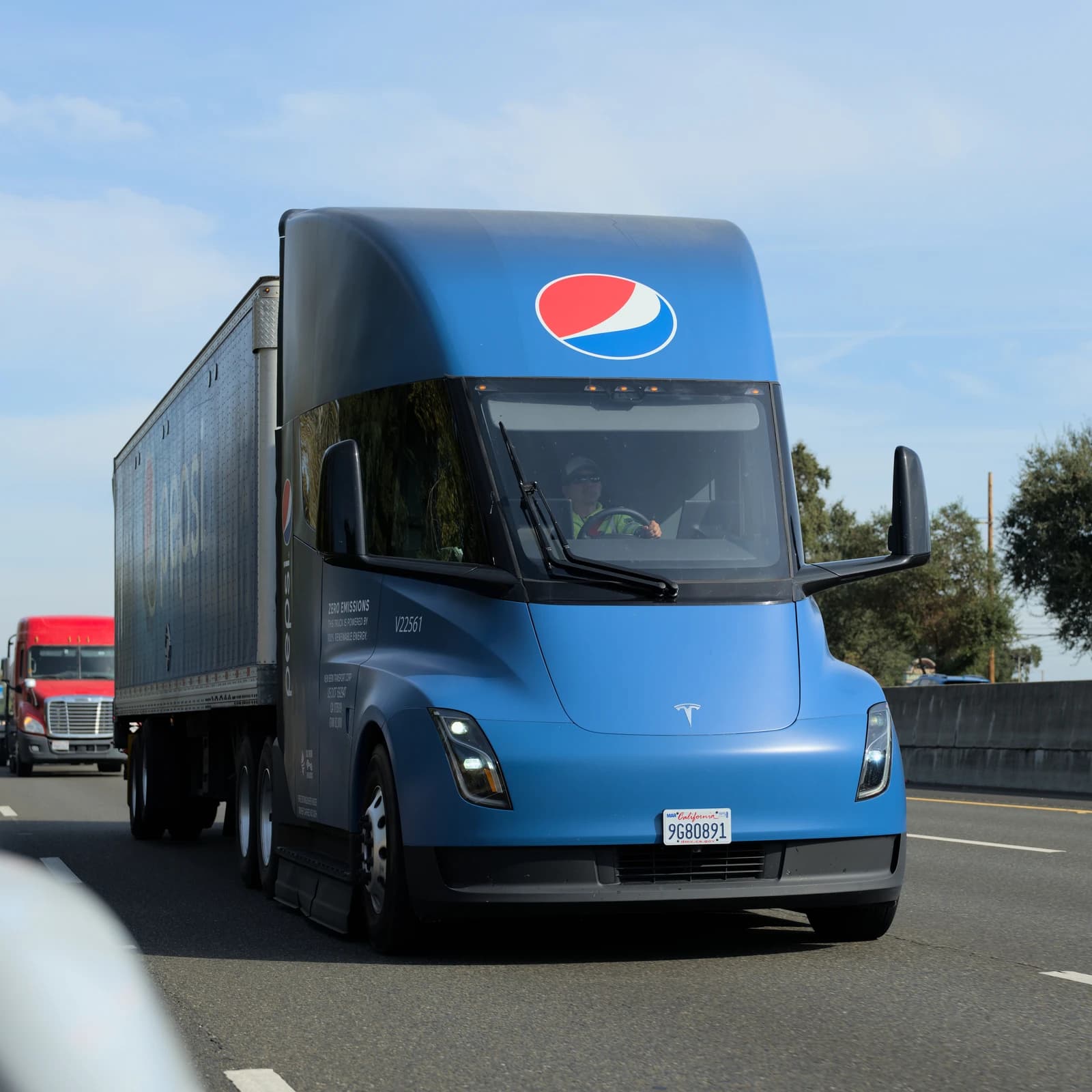
The European version of the battery-electric Semi is slated to be shown at the IAA Transportation fair in Hanover and is being positioned for a market where Mercedes-Benz, Volvo, MAN, Scania, DAF and Renault already sell electric trucks with service networks, fleet references and local support. That matters because commercial trucking buyers make decisions on uptime, charging access and payload economics as much as on range figures.
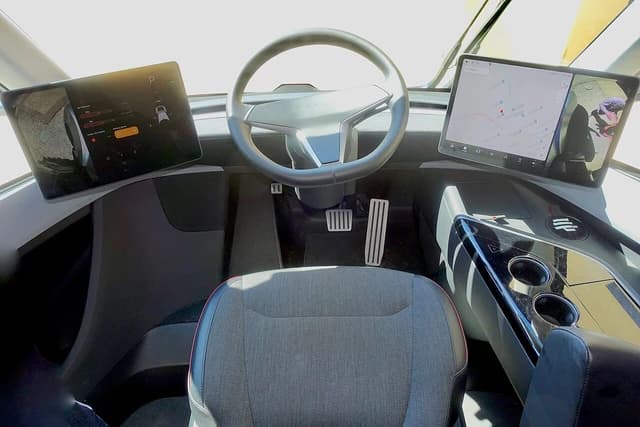
Tesla says the Europe-bound Semi can travel up to 550 kilometers on a full load at 40 tonnes gross vehicle weight, with an estimated energy use of 1 kilowatt-hour per kilometer. It also will use the company’s Megacharger system at up to 800 kilowatts, allowing about 60% of range to be recovered in 30 minutes, and will include an ePTO capable of supplying up to 25 kW for auxiliary equipment.
Those figures are competitive, but they are not a clear leap over the field. Mercedes-Benz’s eActros 600 is already marketed at roughly 500 kilometers of range with a 600-kWh battery, underscoring how quickly European rivals have narrowed the gap on headline performance. Tesla’s U.S. Semi has been advertised with higher range and faster charging, but the European specification is lower, reflecting heavier 40-tonne test conditions and, likely, the realities of continent-specific homologation and duty-cycle requirements.
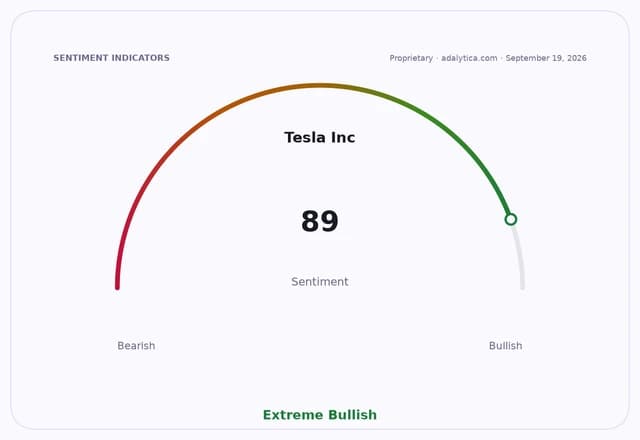
For investors, the important question is whether Tesla can convert a long-promised product into a scalable commercial business in Europe, not whether the truck can generate attention. The Semi fits Tesla’s broader push to expand beyond passenger EVs, while the commercial vehicle market offers the possibility of higher utilization and fleet-level recurring revenue from charging and service. But it also requires infrastructure, certifications and after-sales support that Tesla has not yet demonstrated at the scale of legacy truck makers.
The European launch therefore looks less like an immediate revenue inflection point than a test of whether Tesla can translate its EV technology into a segment where incumbents have structural advantages. If Tesla can prove the Semi’s efficiency and charging speed in real fleets, it could pressure pricing and accelerate adoption of zero-emission trucks. If not, the truck risks becoming another high-profile but slow-burning product in a market where execution matters more than spectacle.
| Entity | Gains | Losses |
|---|---|---|
| Tesla | ▲EV truck credibility | ▼Delay risk vs incumbents |
| Mercedes-Benz/Volvo/Scania | ▲Early service advantage | ▼Pricing pressure |
| European fleet operators | ▲More truck options | ▼Transition complexity |
| Diesel truck makers | ▲None | ▼Demand and margin pressure |