Taiwan’s Executive Yuan is extending tax cuts on key raw materials through the end of March and keeping oil, natural gas and petroleum price stabilizers in place as surging global energy costs threaten to push inflation back up and squeeze household budgets.
Taiwan Extends Tax Cuts on Raw Materials
The move is aimed at cushioning the economy from a fresh oil shock driven by escalating Middle East tensions, with international crude prices rising sharply in recent weeks. That matters because higher energy costs feed quickly into transport, food and utility bills, and then into broader producer prices, making it harder for Taiwan to keep living costs contained.
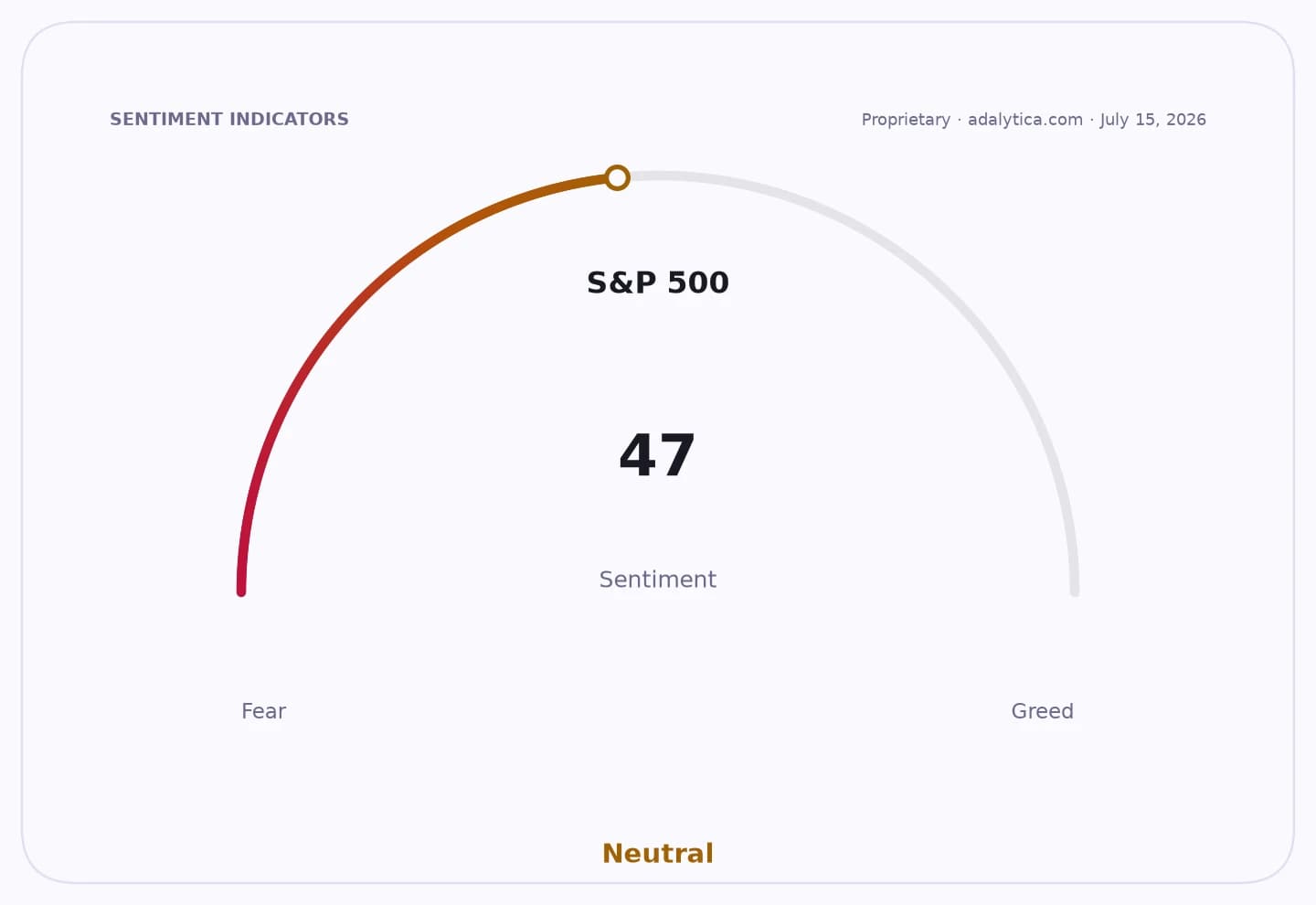
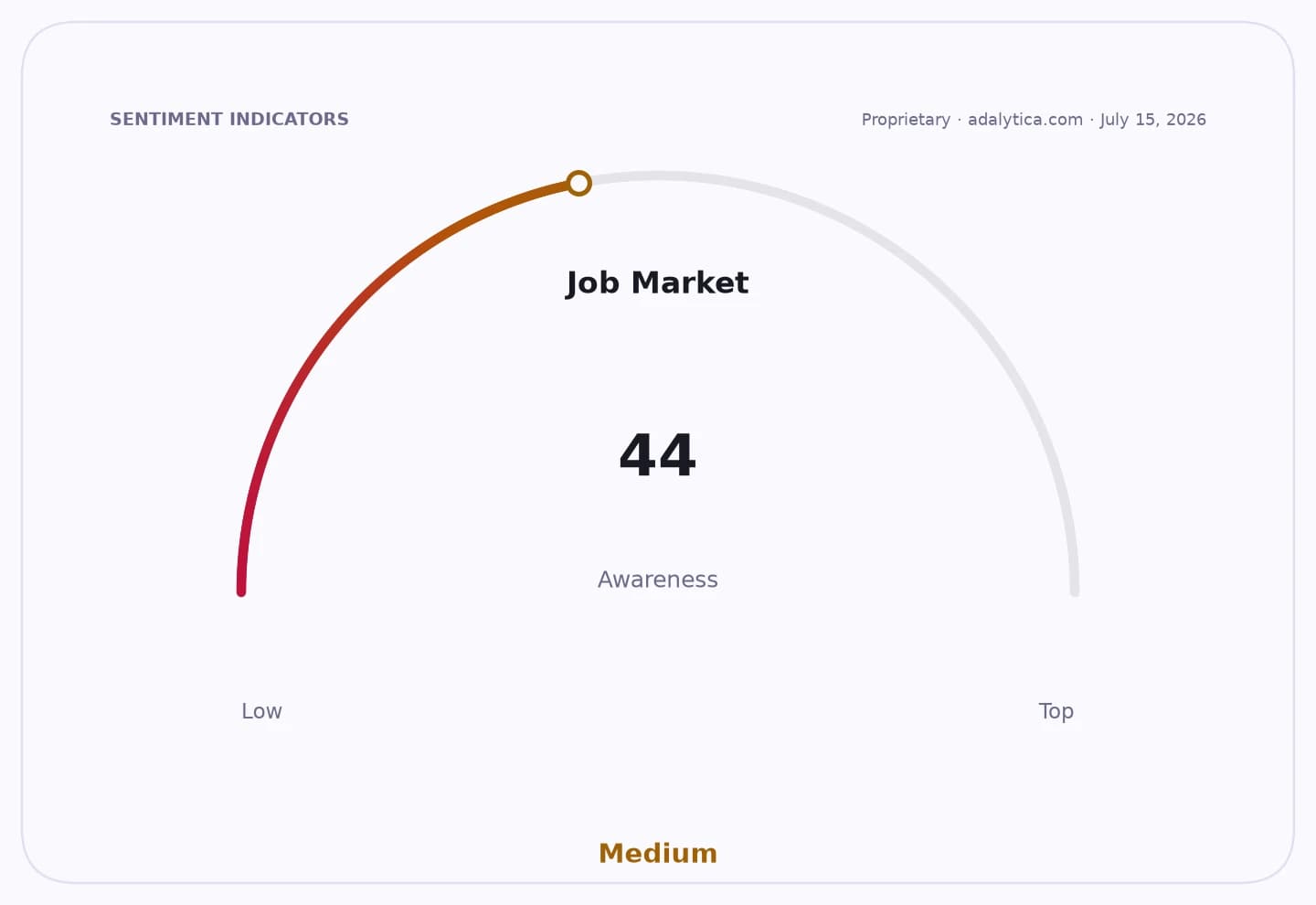
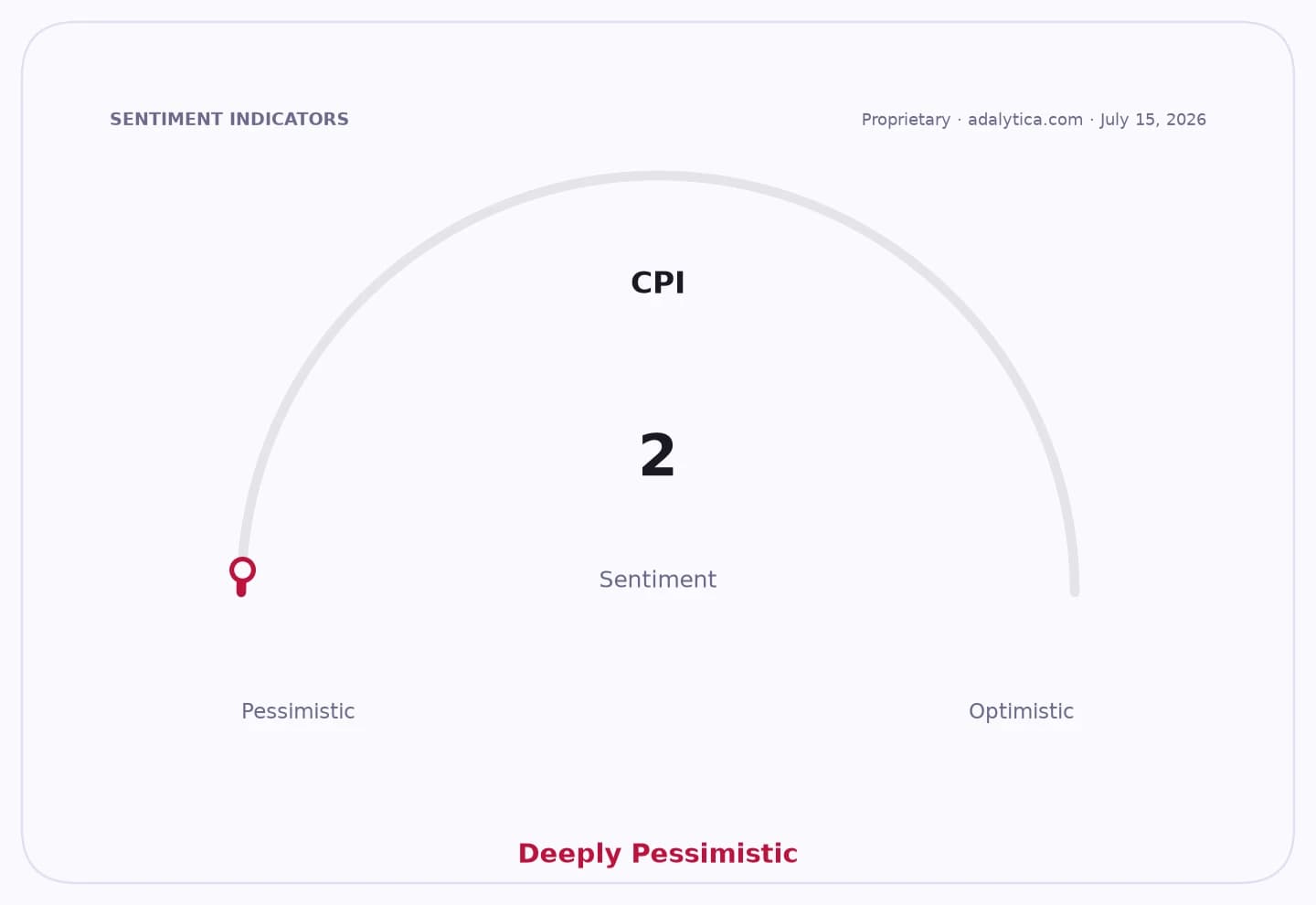
Sentiment IndicatorsⓘProprietary · adalytica.com · September 22, 2026
This is a snapshot — live sentiment, awareness and momentum for 130+ markets update continuously in the dashboard.Open AlphaPulse
Official data already show inflation pressures are not gone. Taiwan’s consumer price index rose 2.04% from a year earlier last month, while producer prices jumped 16.75% and U.S.-dollar import prices climbed 20.45%, a mix that points to rising upstream costs that could still pass through to consumers.
For investors, the policy is a signal that Taipei is prioritizing price stability over fiscal restraint as global commodities get more volatile. That supports household demand in the near term, but it also implies continued government intervention in fuel and raw material pricing, which can delay margin relief for energy-sensitive sectors and keep pressure on public finances if oil stays elevated.
The backdrop is a renewed rally in energy markets. U.S. crude proxy USO has surged to 148.16 from 120.49 in late July, while the Energy Select Sector SPDR Fund, XLE, has climbed to 62.46 from 55.27 over the same period, reflecting tighter supply expectations and stronger investor positioning in energy.
That’s also feeding broader inflation concern in markets. Confidence in the Federal Reserve’s 2% inflation target has slumped to an Adalytica “Extreme Fear” reading of 7, while 5-year inflation breakeven sentiment sits at 37, suggesting investors still worry that energy shocks can spill into longer-term price expectations.
For Taiwan, the immediate issue is household purchasing power. The government’s price stabilization plan is designed to prevent imported inflation from becoming a larger domestic problem, especially for low-income families and smaller businesses that have less room to absorb higher fuel and logistics costs.
The next test is whether oil prices keep climbing or stabilize. If Middle East tensions persist and crude stays near recent highs, Taiwan may have to extend support again, with the risk that price relief measures become a recurring fixture rather than a temporary shield.
| Entity | Gains | Losses |
|---|---|---|
| Taiwanese households | ▲Lower fuel and utility costs | ▼Less direct exposure to oil shocks |
| Taiwan government | ▲Short-term price stability | ▼More fiscal pressure |
| Oil exporters | ▲Higher crude revenues | ▼None from this policy |
| Energy-sensitive businesses | ▲Buffer against input costs | ▼Delayed margin relief for producers |