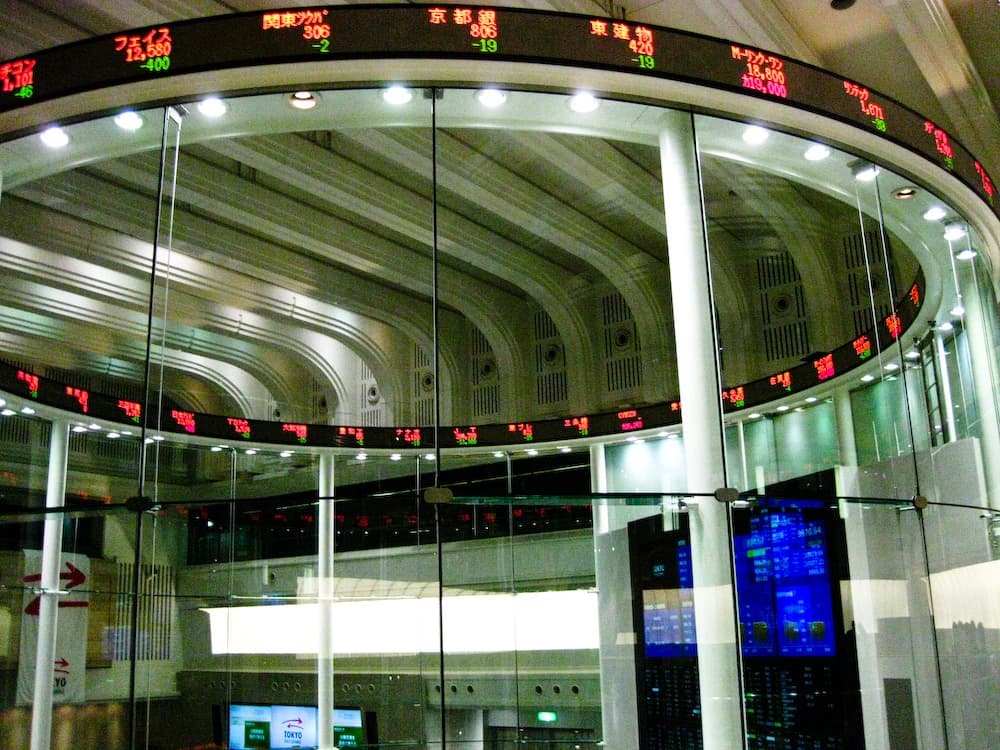
Taiwan is moving to curb bearish trading after a brutal selloff in local equities, banning short sales below the previous day’s closing price as authorities try to stop a slide that wiped out 6.2% of the market in a single session and delivered the worst weekly performance since 1990.
Taiwan Curbs Short Sales After Market Selloff
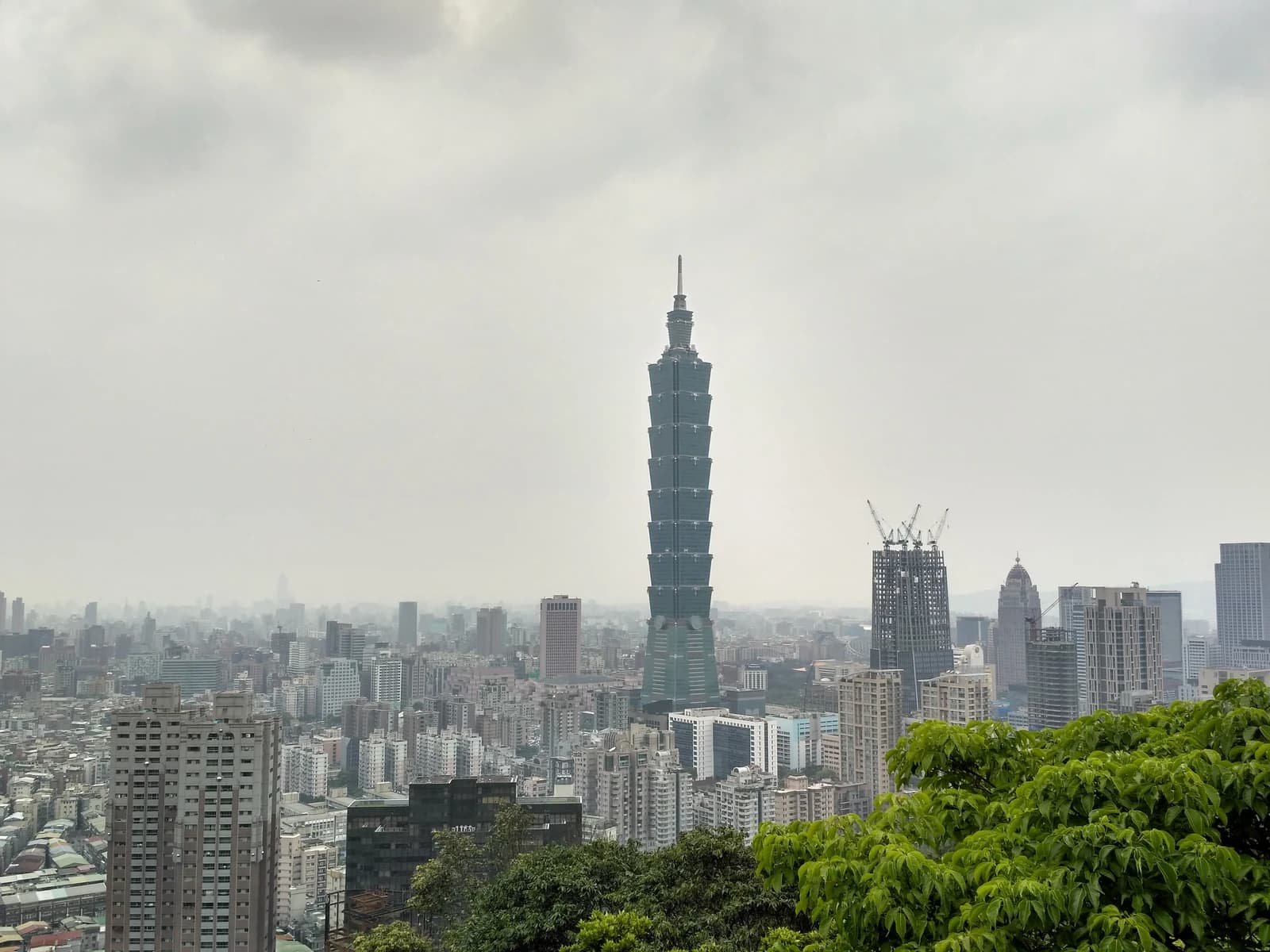
The step matters because it is not just a technical market tweak. Taiwan sits at the center of the global semiconductor supply chain, and when its stock market shakes this hard, the signal travels well beyond Taipei. The island’s benchmark is heavily weighted toward exporters, chipmakers and companies tied to global electronics demand, so a disorderly selloff can quickly bleed into business confidence, capital spending and foreign investor appetite.
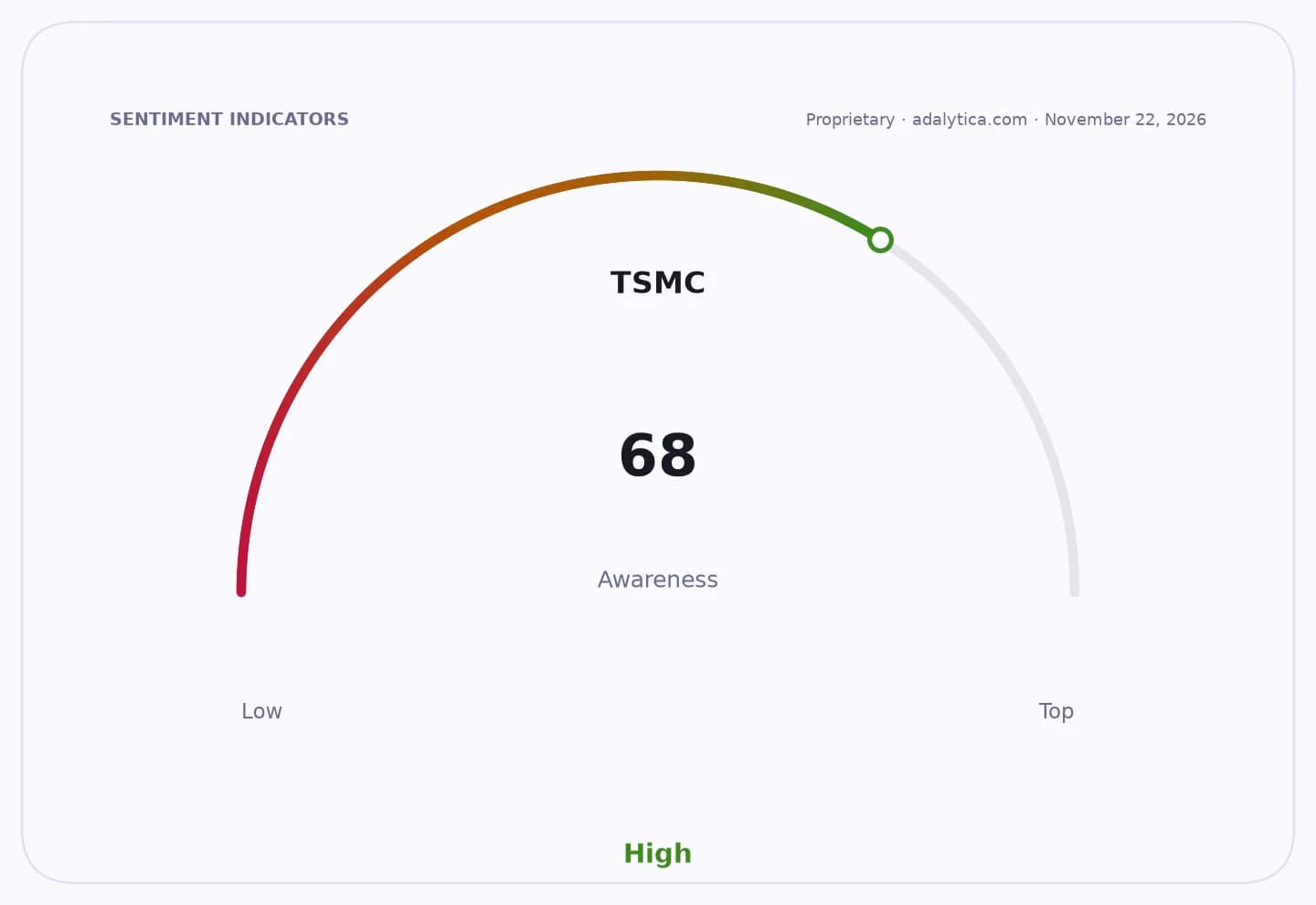
Sentiment Indicators

For investors, the new rule is a clear sign that regulators see the downturn as more than routine volatility. Restrictions on short selling are meant to slow momentum-driven declines and reduce forced selling, but they do not change earnings, geopolitics or the underlying demand outlook. That means the move may stabilize trading in the near term without fully restoring confidence if global risk aversion remains high.
The timing is especially sensitive for Taiwan because the market has been buffeted by broader regional turmoil and ongoing US-China chip tensions. Those forces matter for the long term, since they affect everything from export orders to valuation multiples for semiconductor names. In that environment, the authorities are essentially trying to buy time and prevent a confidence shock from becoming a funding or liquidity problem.
The pressure is visible in Taiwan-linked stocks overseas as well. Taiwan Semiconductor Manufacturing Co. has fallen sharply in recent sessions, while the iShares MSCI Taiwan ETF, or EWT, has dropped to 74.77 from 110.91 earlier in the month. The ETF’s relative strength index is deep in oversold territory, underscoring how quickly sentiment has turned.
Even so, long-term investors should not confuse emergency market support with a permanent change in fundamentals. Taiwan’s economy remains deeply tied to high-value technology manufacturing, and that gives it structural strength once panic fades. For patient investors, the question is whether this crackdown on short selling marks the start of stabilization — or just a pause in a much larger repricing. Either way, it is worth watching closely.
| Entity | Gains | Losses |
|---|---|---|
| Taiwan regulators | ▲More orderly trading | ▼Less market flexibility |
| Long-only investors | ▲Potentially calmer prices | ▼Near-term downside momentum |
| Short sellers | ▲Squeezed by tighter rules | ▼Easier execution is reduced |
| Taiwan exporters and chip stocks | ▲Chance for sentiment to stabilize | ▼Still exposed to global risk aversion |