Petrol and diesel prices in Switzerland have surged in recent months because a local refinery outage and disrupted inland transport have collided with firmer global crude markets, squeezing supply in a country that depends heavily on imports.
Switzerland fuel prices rise after refinery outage
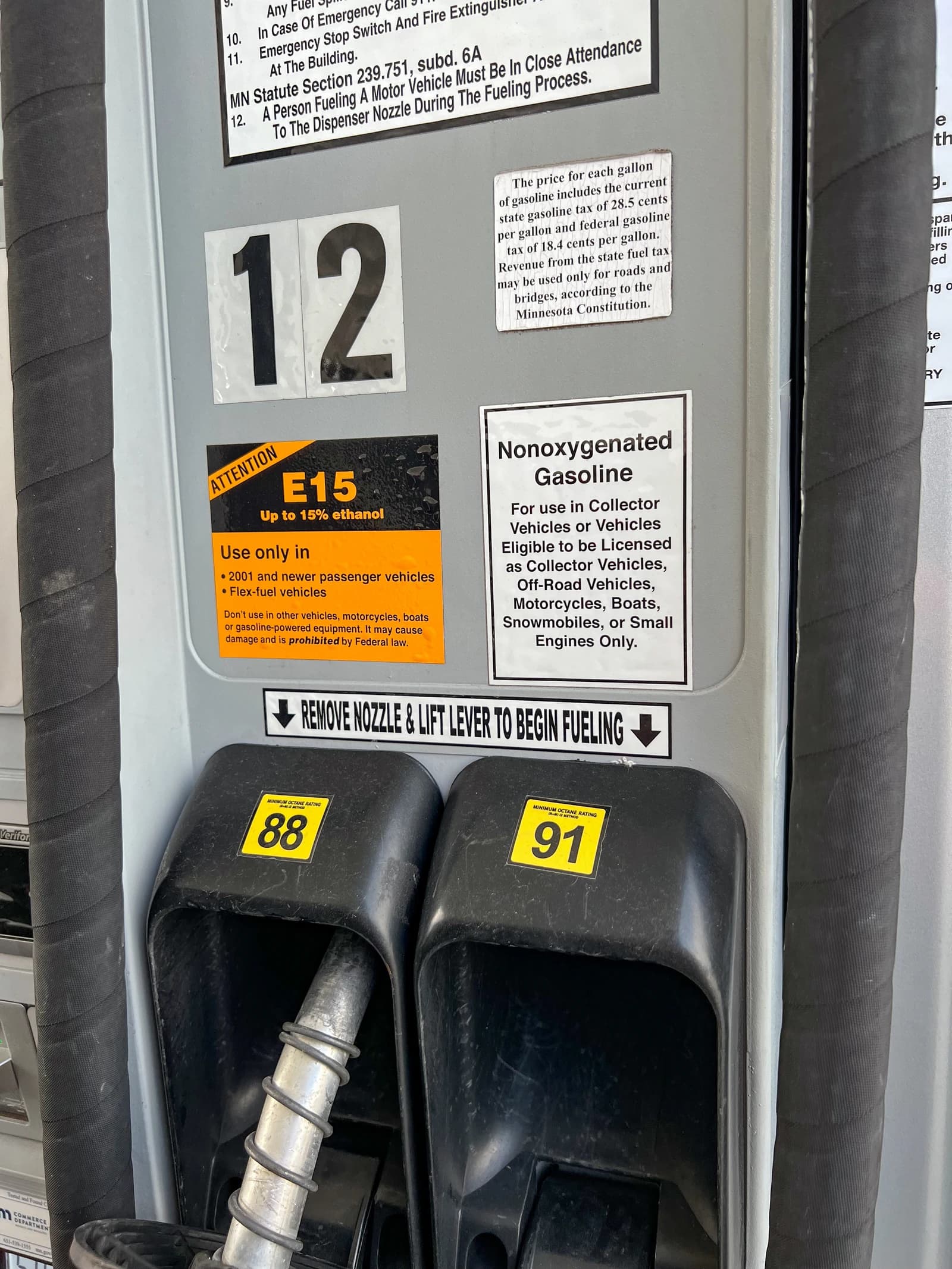
The most immediate shock is domestic. The Cressier refinery in Neuchâtel, Switzerland’s only refinery, temporarily halted production after a technical fault, removing a plant that normally covers about 30% to 40% of national petroleum-product demand. At the same time, low water levels on the Rhine have forced barges to carry lighter loads, making deliveries into landlocked Switzerland slower and more expensive. Together, those bottlenecks have translated quickly into higher pump prices.
Sentiment IndicatorsⓘProprietary · adalytica.com · September 22, 2026
This is a snapshot — live sentiment, awareness and momentum for 130+ markets update continuously in the dashboard.Open AlphaPulse
According to the Touring Club Suisse, unleaded 95 rose to 2.10 francs a litre on Sept. 17 from 1.65 francs at the start of the year. Unleaded 98 climbed to 2.21 francs from 1.75 francs, while diesel jumped to 2.41 francs from 1.78 francs. Diesel has posted the sharpest increase, reflecting the tightness of supply chains and the heavier reliance on imported refined products.
Bern has already moved to cushion the market. The government authorised releases from compulsory fuel reserves between Sept. 8 and Sept. 20, allowing up to 30,000 cubic metres each of diesel and petrol to be drawn down, or less than 3% of mandatory stocks. That should help keep supplies flowing, but it does little to stop prices from rising when the distribution chain is under strain.
The timing matters because the international backdrop is not offering much relief. Brent crude has moved back above $100 a barrel as Middle East tensions keep traders wary of further disruption, even though Reuters has noted that global demand is not especially strong. US benchmark crude has also been elevated, with oil-linked assets such as the USO fund still trading well above their longer-term averages despite recent pullbacks. In technical terms, the fund remains above its 200-day moving average, a sign that the broader uptrend in energy prices has not been broken, even if momentum has cooled from recent highs.
For households, the higher fuel bill is an immediate hit to disposable income. For companies, especially transport, logistics and retail groups, it raises operating costs at a time when many economies are already facing slower growth. Because fuel is embedded in freight, heating and consumer goods distribution, the risk is that some of the increase feeds through to broader inflation rather than staying confined to the forecourt.
That is why the story matters beyond Switzerland. It shows how quickly a local supply outage can amplify a global oil rally. A refinery glitch, a low river and geopolitical tension have combined to push a basic household expense sharply higher, even though the country’s emergency stockpiles remain intact.
The key question now is whether supply conditions normalise before the price shock bleeds further into transport and consumer costs. If Cressier restarts smoothly and Rhine conditions improve, some pressure should ease. If not, Swiss motorists may be stuck paying for a supply problem that policy can soften but not quickly fix.
| Entity | Gains | Losses |
|---|---|---|
| Swiss fuel retailers | ▲Higher pump revenues | ▼Angry consumers |
| Refineries/importers | ▲Stronger pricing power | ▼Supply interruptions |
| Households | ▲None | ▼Higher commuting costs |
| Transport firms | ▲None | ▼Rising operating expenses |