The Spanish Treasury is collecting less from Valencian companies after a jump in operating costs cut taxable profits, a sign that inflationary pressure is still working its way through corporate accounts even as the broader economy normalizes.
Spain Treasury Tax Receipts Fall on Valencian Costs
The 13% decline in receipts matters because it points to a narrower tax base rather than a one-off accounting effect. When companies are paying more for energy, raw materials, logistics and financing, margins thin and corporate income tax collections soften. For public finances, that can weaken revenue just as governments face higher spending commitments and more pressure to support households and industry.
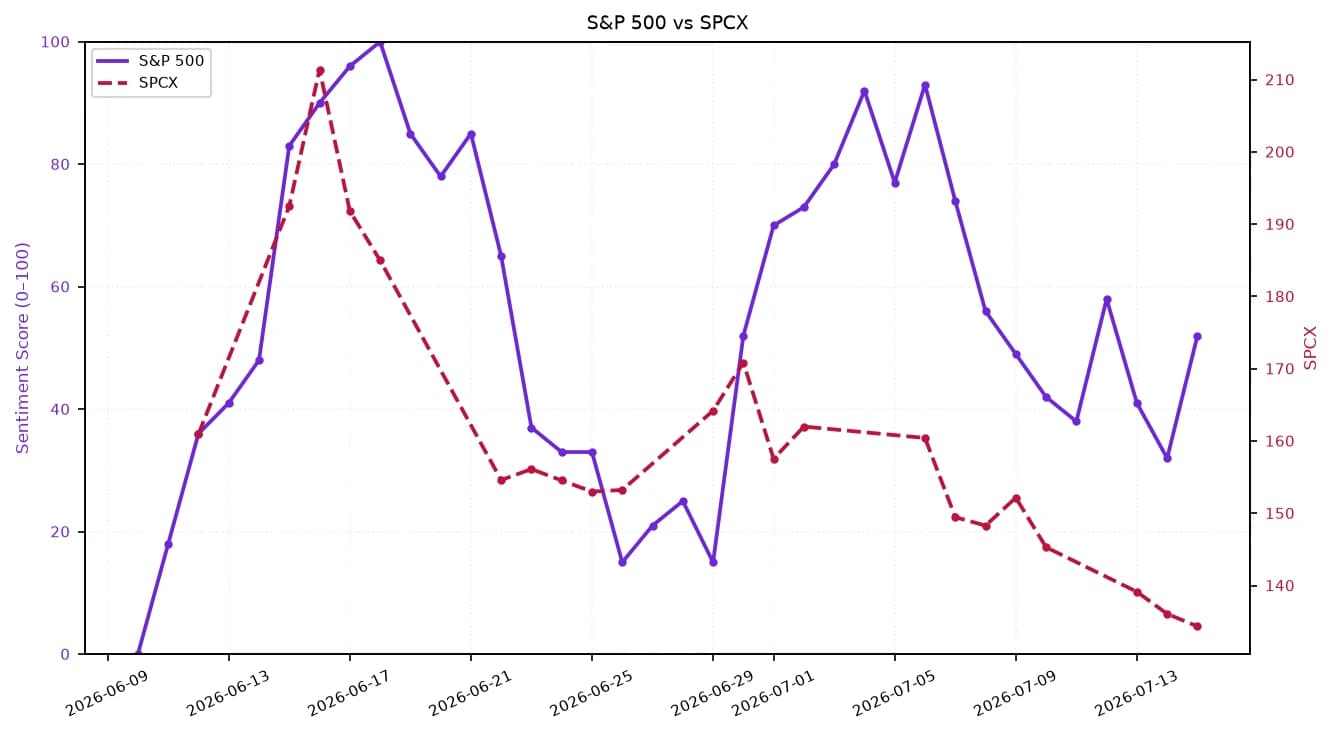
Sentiment IndicatorsⓘProprietary · adalytica.com · September 21, 2026
This is a snapshot — live sentiment, awareness and momentum for 130+ markets update continuously in the dashboard.Open AlphaPulse
The backdrop is a mixed macro picture. Spain, like much of Europe, has seen inflation ease from earlier peaks, but producer prices remain elevated relative to pre-pandemic levels and the cost of doing business is still above historical norms. Conventional price indicators show producer inflation has risen sharply over the past few years, while consumer prices remain well above where they were before the energy shock. That combination helps explain why corporate tax takings can lag even when headline inflation is no longer surging.
For investors, the headline is a reminder that cost inflation is not just a consumer issue. It feeds directly into corporate earnings, dividend capacity and the fiscal outlook. Listed companies with pricing power can defend margins, but smaller or more local businesses often cannot pass through every cost increase. That leaves them more exposed to higher effective tax volatility, weaker free cash flow and slower investment.
The read-through is also important for the Spanish market. The IBEX index has recovered strongly in recent sessions, with the benchmark trading around 40.55 after rising above its 50-day and 200-day moving averages, but the move sits alongside a still-fragile earnings backdrop for parts of the domestic economy. A stronger market can coexist with softer tax collections if the gains are concentrated in large exporters and banks rather than the regional corporate base.
One bullish reading is that the tax decline may prove temporary if energy costs and borrowing rates continue to ease. A bearish reading is that it reflects a more persistent squeeze on mid-sized firms, which would keep the Treasury’s take subdued and cap the pace of profit recovery. The next data on margins, insolvencies and tax receipts will show whether Valencian companies are absorbing a short-lived shock or facing a longer period of lower profitability.
| Entity | Gains | Losses |
|---|---|---|
| Valencian companies | ▲Lower immediate tax burden | ▼Weaker margins |
| Spanish Treasury | ▲Potential future revenue rebound | ▼13% lower receipts |
| Consumers | ▲Possible slower pass-through | ▼Higher prices now |
| Investors in local firms | ▲Cheaper valuations if costs ease | ▼Lower earnings and dividends |