A record cocaine seizure off Spain and the hunt for Dutch fugitive Jos Leijdekkers are exposing a shift that matters far beyond one criminal case: West Africa is becoming a staging ground for shipments that feed Europe’s drug market.
Spain cocaine seizure highlights West Africa route

That makes the story economically significant because the trade now looks less like a series of isolated smuggling runs and more like a transnational supply chain with hubs, logistics, financing and political cover. It matters to investors because illicit flows this large can distort port traffic, intensify pressure on customs and security budgets, and heighten country risk in corridors that sit astride trade, shipping and finance.
Sentiment IndicatorsⓘProprietary · adalytica.com · September 22, 2026
This is a snapshot — live sentiment, awareness and momentum for 130+ markets update continuously in the dashboard.Open AlphaPulse
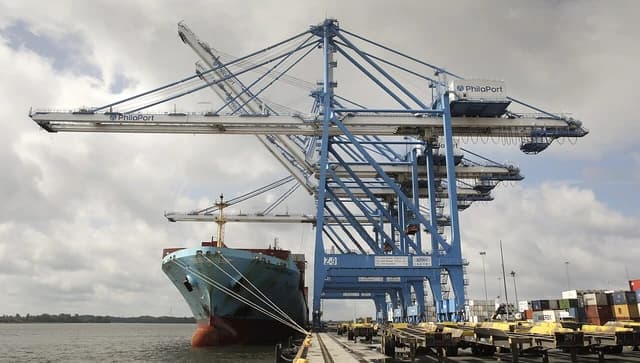
Spanish authorities said in May they intercepted the Arconian, a cargo vessel that had sailed from Freetown, Sierra Leone, with more than 30 tons of cocaine aboard, one of the biggest anti-narcotics busts ever recorded in Spain. The estimated value ran into the hundreds of millions of euros. Twenty-three people were arrested, including crew members and armed guards. Spanish investigators have said they believe Leijdekkers may have organized the operation, although he has not been charged over that shipment and denies any role.
The scale of the load is important because it points to industrialized trafficking, not opportunistic smuggling. Investigators said other vessels linked to the same network had made similar journeys in 2024 and 2025, suggesting the Arconian was part of a tested maritime route rather than a one-off. That raises the stakes for European law enforcement, which now has to monitor mother ships in the Atlantic, smaller fast boats near shore and the financial channels that keep the system running.
West Africa’s growing role is the key change in the geography of cocaine. Instead of serving only as a transit point between Latin American producers and European consumers, the region is increasingly used for storage, consolidation and reloading. For traffickers, that offers a buffer against enforcement in European ports and exploits the seams between jurisdictions. For governments, it means drug policy has become entwined with border control, diplomacy and maritime security.
Leijdekkers has become a symbol of that shift. Dutch prosecutors say the 35-year-old has already been sentenced in absentia in Rotterdam to 24 years in prison for six cocaine shipments totaling nearly seven tons, armed robbery in Finland and a murder order. The Netherlands has offered a 200,000-euro reward for information leading to his arrest. Dutch police said in January 2025 they were sure he was in Sierra Leone, and the Dutch government has formally sought his extradition.
The case has also taken on a political dimension. Reuters previously verified video from a January 2025 religious ceremony showing Leijdekkers near Sierra Leone President Julius Maada Bio and beside a woman identified by Reuters sources as the president’s daughter, Agnes. Media reports have gone further, though those claims remain allegations. Even without proof of official protection, his reported presence in Sierra Leone illustrates how major traffickers can embed themselves in places where state capacity, politics and criminal finance overlap.
That is why the money trail is as important as the cocaine. Dutch police say encrypted Sky ECC communications helped build their case and suggested Leijdekkers may have laundered tens of millions of euros and hundreds of kilos of gold, possibly drug proceeds. The economics are clear: cartels do not operate as gangs alone but as shadow multinationals, relying on banks, shell companies, warehouses, shipping intermediaries and cross-border payment routes.
For investors, the direct market read-through is not about a single commodity but about risk across logistics, ports, insurers and sovereign exposure. Spain remains a crucial European gateway because of its coastline, shipping links and proximity to Africa. The larger the trafficking flows through Atlantic and Iberian routes, the greater the pressure on customs systems, naval patrols, compliance costs and political scrutiny of trade nodes.
The broader conclusion is that cocaine trafficking is increasingly a geopolitical problem, not just a criminal one. As the supply chain stretches from Latin America to West Africa and into Europe, the anti-drug fight becomes an issue of extradition, intelligence sharing, port security and state credibility. The next catalyst is whether Sierra Leone cooperates on Leijdekkers and whether Europe can disrupt the maritime network before the route becomes even more entrenched.
| Entity | Gains | Losses |
|---|---|---|
| European traffickers | ▲Wider logistics network | ▼Higher enforcement pressure |
| Sierra Leone | ▲Transit hub leverage | ▼Reputational and diplomatic risk |
| Spain | ▲Stronger security mandate | ▼Port and coastal strain |
| Dutch authorities | ▲New extradition leverage | ▼Ongoing fugitive embarrassment |