Companies are still reacting too slowly to a world that has become structurally less stable, and that lag is now showing up in equity prices, volatility and portfolio positioning.
S&P 500, EFA and FXI Trends in Geopolitical Risk
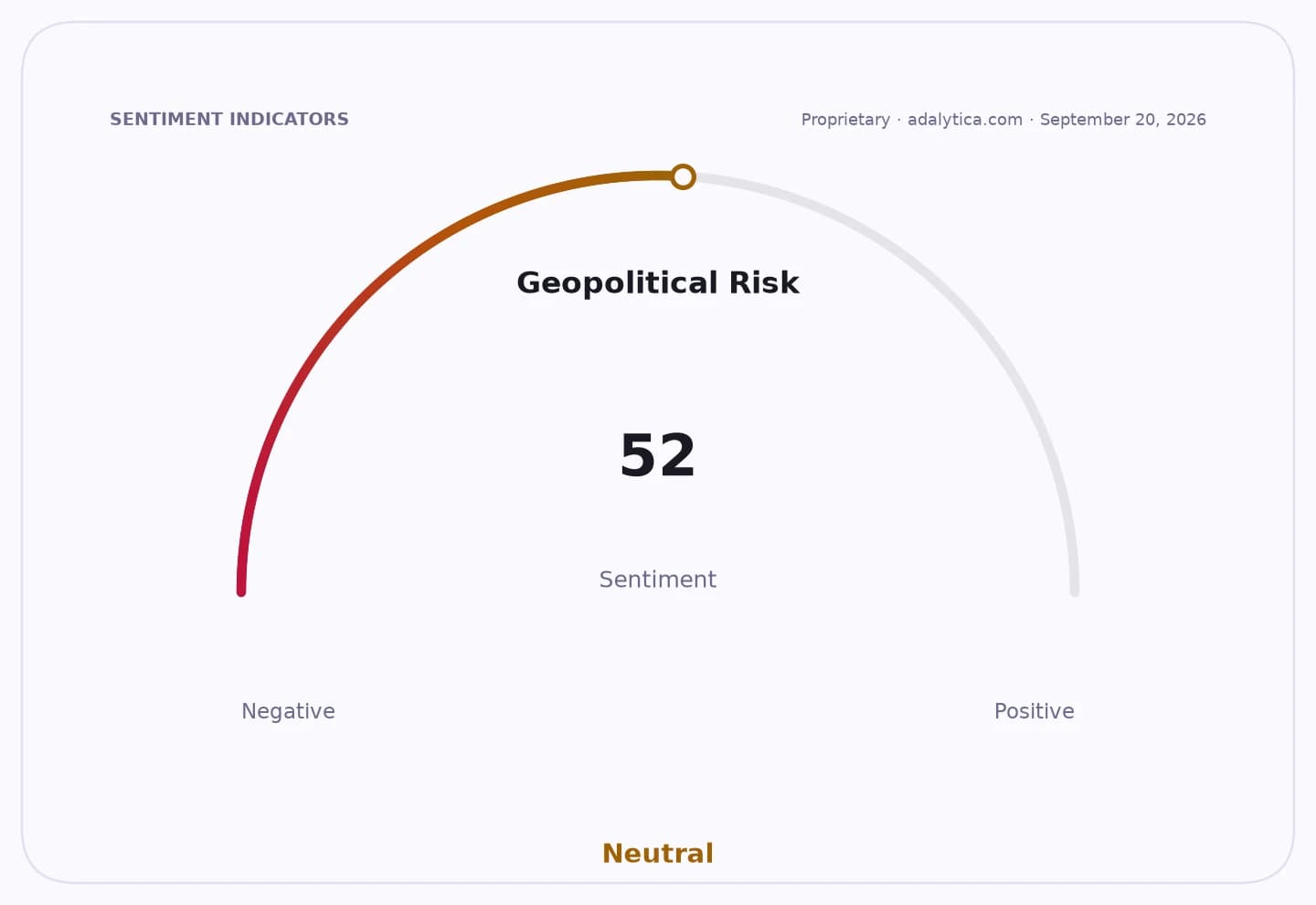
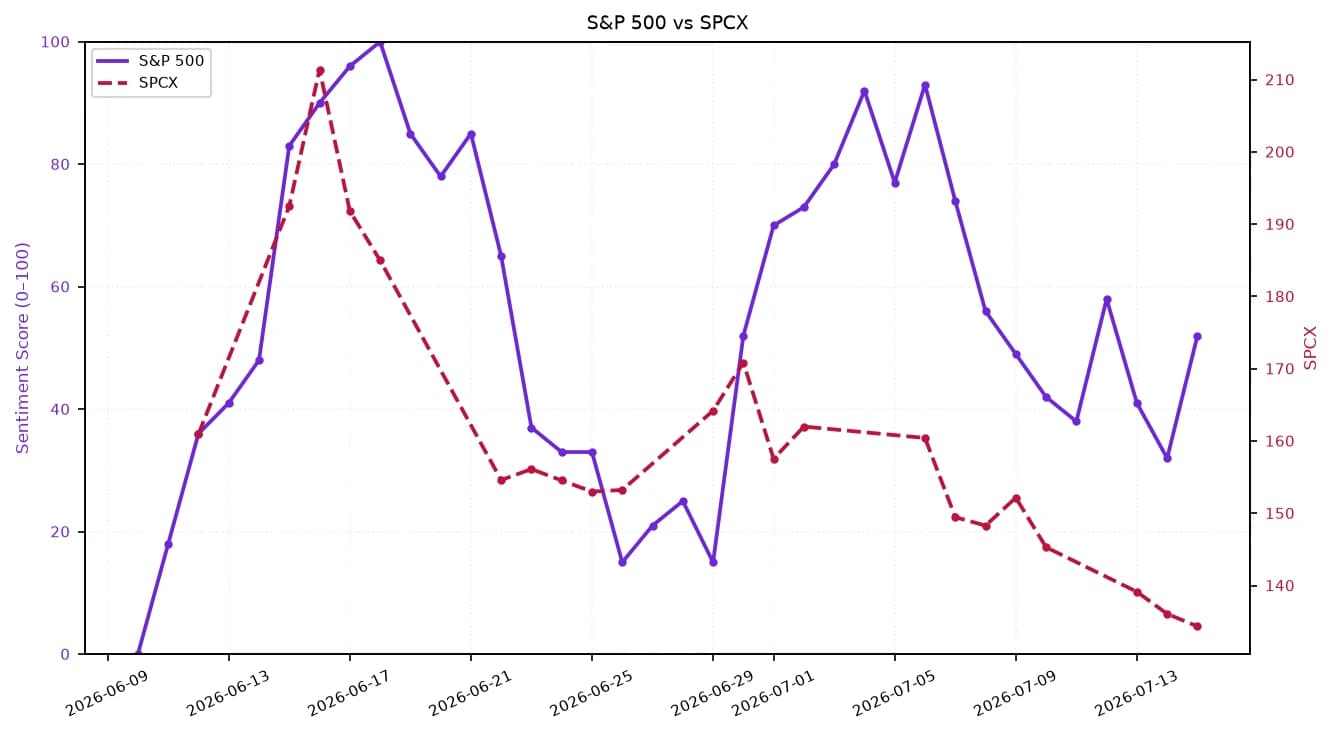
The clearest market signal is that the S&P 500, even after a sharp run to 761.69, is trading with fear still embedded beneath the surface. Adalytica’s S&P 500 trade signals show sentiment at 18, or “Fear,” while the Global Stability sentiment gauge sits at a neutral 52 after a 26-point one-day jump. In other words, investors are not pricing a clean return to normal; they are pricing a regime in which geopolitical and operational shocks remain a constant overhang. That matters because markets tend to re-rate fastest when companies can pass on costs, shift supply chains or reposition capital. Right now, many are not moving quickly enough.
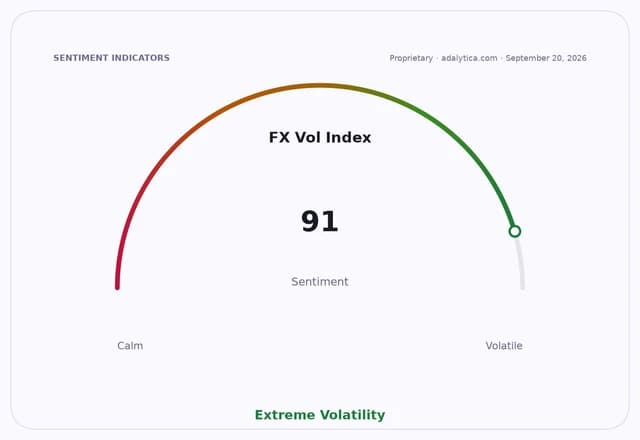
That delay creates opportunity. Firms that wait for unrest, supply disruptions or policy shifts to show up in earnings are likely to lose margin before they adapt. The market is increasingly rewarding those with built-in flexibility — diversified procurement, domestic capacity, defense exposure, energy resilience and FX hedges — while punishing businesses that depend on fragile cross-border flows. The spike in FX volatility signals to 91, labeled “Extreme Greed” on Adalytica’s model, suggests the currency market is already bracing for more dislocation, even if corporate behavior has not caught up.
The sector implications are broad. Large-cap U.S. equities, tracked by SPY, remain much better positioned than export-heavy international markets, but the divergence is narrowing. The iShares MSCI EAFE ETF, EFA, has slipped to 104.97 from recent highs, while the iShares China Large-Cap ETF, FXI, is down to 34.32 and still trades below its 50-day and 200-day moving averages. That is a reminder that global exposure is not free optionality; it is also a transmission channel for unrest, tariffs, logistics snarls and weaker demand. If companies are slow to respond, investors will increasingly pay up for domestic supply chains, infrastructure, cybersecurity and defense contractors instead of broad cyclicals exposed to geopolitical friction.
The 50-day moving averages on SPY, EFA and FXI show how investors are still sorting winners from losers rather than making a blanket risk-on bet. SPY remains above both its 50-day and 200-day averages, but FXI is under both, underscoring how capital is favoring resilience over pure international growth. That is the trade to own as unrest persists: firms with pricing power, local capacity and strategic relevance. The market underestimates how quickly this can become a multi-year capital allocation theme.
For investors, the takeaway is simple: don’t wait for management teams to catch up to the new world order. Position early in the picks-and-shovels beneficiaries of geopolitical fragmentation — defense, energy infrastructure, industrial automation, logistics, and FX-hedged global franchises — because the lag in corporate response is exactly where the next wave of alpha will come from.
| Entity | Gains | Losses |
|---|---|---|
| Defense contractors | ▲Higher budgets | ▼Peace dividend |
| Energy infrastructure firms | ▲Resilience spending | ▼Low-volatility complacency |
| Domestic manufacturers | ▲Supply-chain re-shoring | ▼Offshored production |
| Global exporters | ▲Diversified demand | ▼Geopolitical disruption |