Soybean buyers are being pushed to look beyond the cheapest cargo and pay up for verified quality, as traceability and processing standards increasingly shape access to premium export channels.
Soybean Traceability Opens Premium Export Channels
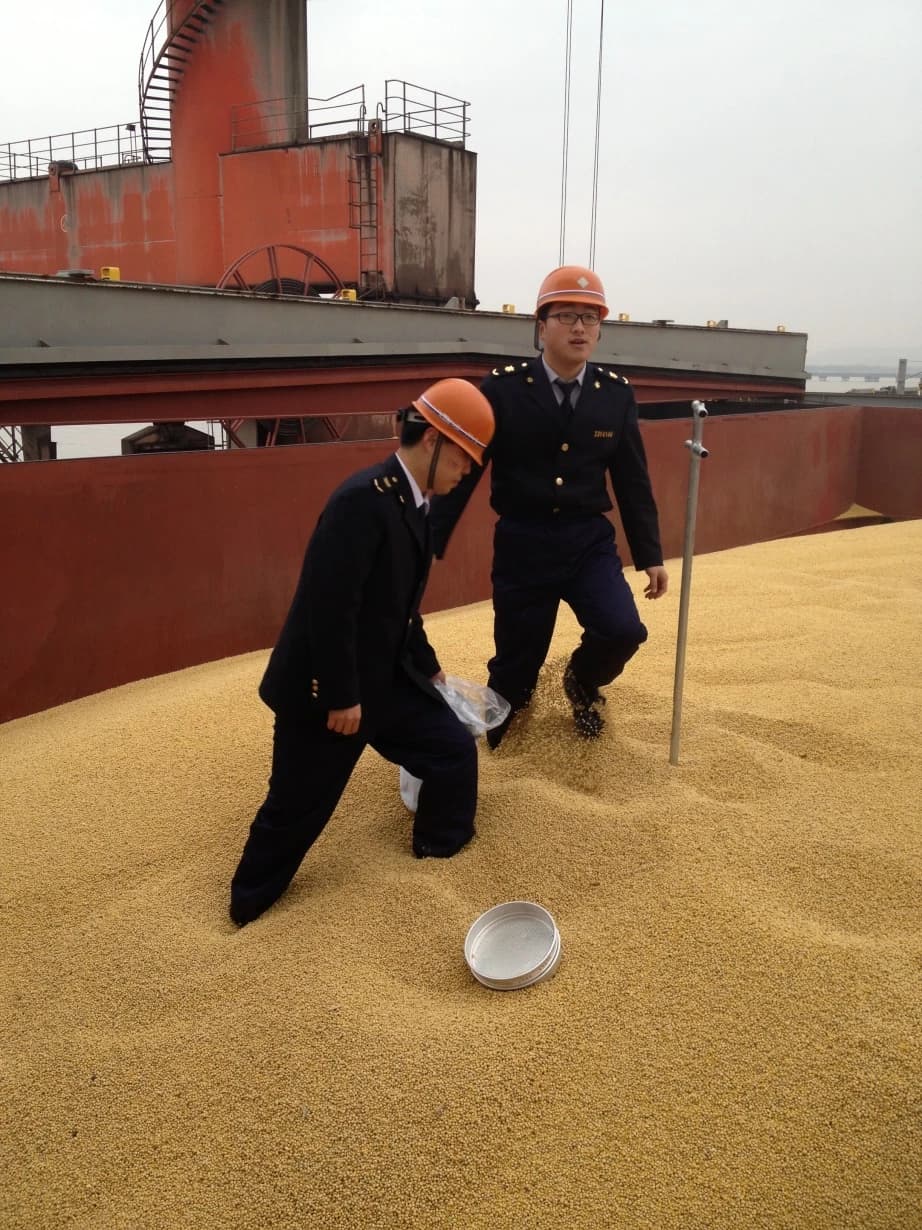
The shift matters because soybeans are no longer traded only on volume and price. Food makers, feed users and crushers are using certification, origin tracking and consistency checks to reduce supply-chain risk, meet sustainability rules and protect margins. That makes quality a commercial filter, not a marketing add-on, and it can change where trade flows and which suppliers capture the best business.
Sentiment Indicators
A recent example is Bunge’s use of blockchain to tighten traceability on Argentine soybean meal, helping the product enter CP Vietnam’s supply chain. That is a small but telling sign of how exporters are using digital verification to win business in Southeast Asia, where buyers want more transparency on origin and production practices. It also underscores a broader competitive shift in South American soy, where Brazil and Argentina are leaning on favorable growing conditions, logistics and policy support to defend market share.
For exporters and processors, better traceability can command a premium and deepen customer relationships. For buyers, it can reduce the risk of contamination, shipment disputes or reputational damage tied to weak sourcing controls. That trade-off is increasingly important in a commodity market where supply is abundant but differentiation is harder to secure.
The market backdrop reinforces the point. Soybean-related assets have been volatile, and technical readings on the soybean ETF suggest the recent pullback has come after a sharp run-up, with the fund still trading above its 200-day moving average but short-term momentum cooling. Corn sentiment tracked by Adalytica is neutral, which suggests grain markets are not broadly risk-on or risk-off, leaving individual supply-chain advantages to matter more than macro sentiment alone.
Bunge, ADM and other global traders are exposed to the same underlying dynamic: margins are increasingly tied to who can originate the most reliable, best-documented product rather than simply source the cheapest one. That favors merchants and processors with scale, logistics reach and compliance infrastructure, while smaller exporters without traceability systems risk being pushed into lower-value channels.
Investors should watch whether traceability spreads from soybean meal into broader soy trade, and whether premium pricing shows up in export margins, crush spreads or supplier mix. If it does, quality control could become one of the few durable competitive advantages in an otherwise commoditized market.
| Entity | Gains | Losses |
|---|---|---|
| Traceable exporters | ▲Premium access | ▼Commodity-only sellers |
| Buyers with strict standards | ▲Lower supply-chain risk | ▼Low-cost, low-visibility sourcing |
| Bunge and peers | ▲Stickier customers | ▼Undifferentiated rivals |
| Argentina and Brazil exporters | ▲Broader market access | ▼Suppliers without certification |