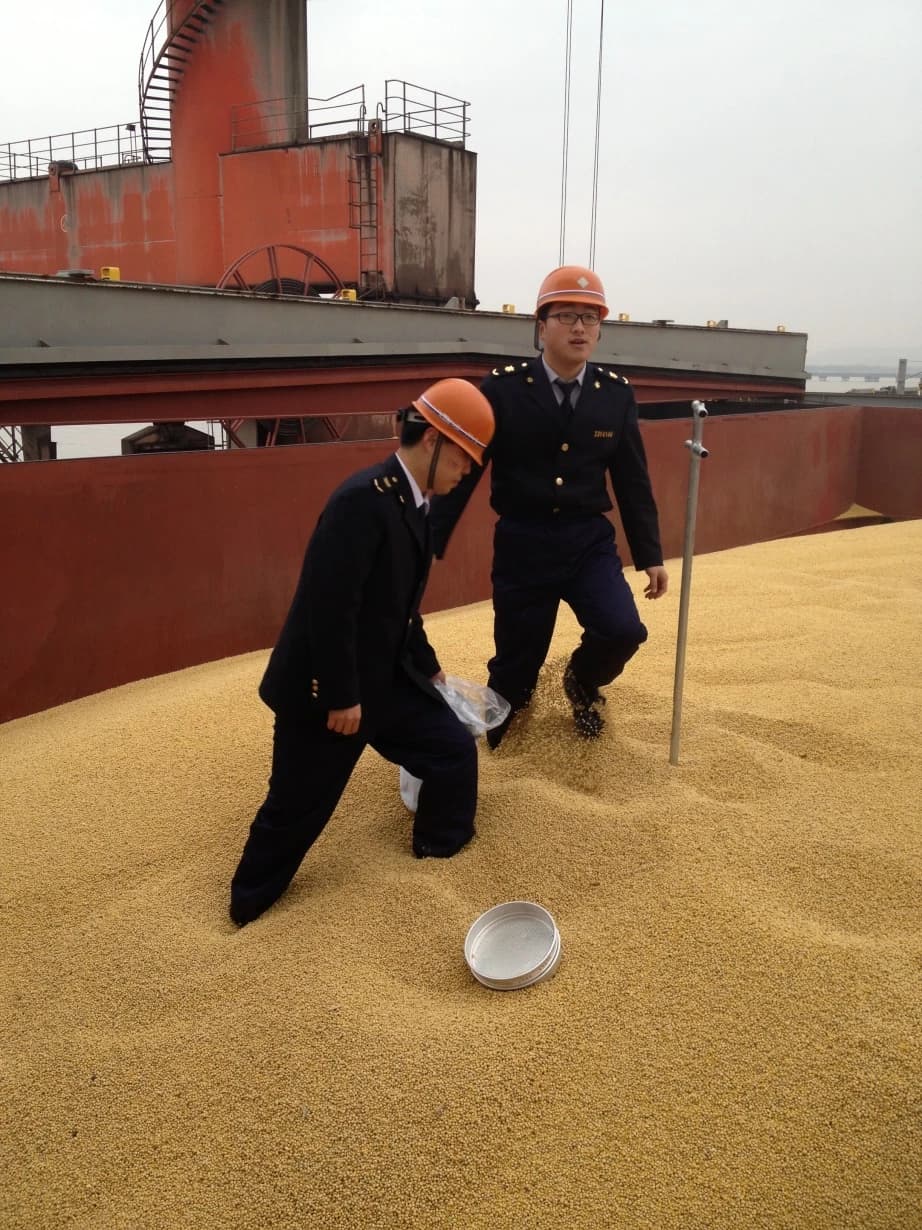
A 27-ton corn shipment from Serbia was turned back at the Merdare border crossing after laboratory tests found aflatoxin B1 above the legal limit, underscoring how food-safety enforcement can quickly interrupt regional grain trade and protect livestock and consumers from contamination risks.
Kosovo rejects Serbia corn shipment over aflatoxin
Kosovo’s Food and Veterinary Agency said the consignment, imported by Peja-based IDEAL GROUP SH.P.K. from AGRO DOM TIM DOO in Crvenka, Serbia, contained 0.029 mg/kg of aflatoxin B1, or 29 micrograms per kilogram, compared with the permitted maximum of 0.020 mg/kg. That put the load about 45% above the threshold.
The finding matters beyond a single rejected shipment because aflatoxin is not just a quality issue; it is a public-health and supply-chain risk. Corn contaminated with aflatoxin can be diverted into animal feed, and in dairy herds it can pass into milk as aflatoxin M1, creating a direct exposure route for consumers. For regulators, that makes border testing a first line of defense, especially in grain trades where origin, storage conditions and weather-related fungal contamination can all affect safety.
For the market, the immediate financial impact on this shipment is likely limited, but the episode adds another example of how compliance failures can create friction in Balkan agricultural trade. Importers face the cost of rejected cargoes, potential delays and tighter inspection regimes, while exporters risk reputational damage if contamination becomes recurrent. In a commodity market already sensitive to logistics, quality variation can matter as much as price.
The broader corn backdrop is mixed. U.S. corn futures have been volatile, with technical indicators on the CME-tracked CORN contract showing the price below both its 50-day and 200-day moving averages and momentum weakened by a low RSI reading. That suggests traders are already discounting a softer near-term tone even as supply chains remain vulnerable to weather, storage problems and border restrictions.
Agribusiness groups such as Archer-Daniels-Midland and Bunge also have exposure to grain quality, merchandising and feed demand. For them, contamination events can tighten local availability of tradable corn, complicate procurement and increase inspection and handling costs. The bull case is that stricter enforcement improves confidence in imported feed inputs and protects downstream demand. The bear case is that repeated rejections point to chronic quality issues that can slow trade and raise costs across the region.
For investors, the key takeaway is that food safety regulation remains a real constraint on agricultural flows, not a procedural footnote. If aflatoxin incidents become more frequent, they could nudge feed costs higher, disrupt regional sourcing and reinforce the premium on suppliers with stronger storage, testing and traceability systems.
| Entity | Gains | Losses |
|---|---|---|
| Kosovo regulators | ▲stronger food safety enforcement | ▼administrative burden |
| Consumers and dairy sector | ▲lower contamination risk | ▼none if supply tightens |
| Serbian exporter and importer | ▲none | ▼rejected cargo, added costs |
| Corn traders/feed buyers | ▲safer supply chain | ▼higher compliance and logistics costs |