South Korea’s stock market is headed for a choppy week as the Chuseok holiday thins liquidity and the Oct. 24 U.S.-China summit raises the stakes for global trade and semiconductor policy, with strategists saying any weakness could offer a buying opportunity once the market reopens.
South Korea stocks face Chuseok holiday volatility
The setup matters because Korean equities are being pulled by three forces at once: a holiday-driven supply vacuum, a still-elevated Fed policy overhang, and renewed uncertainty around Washington and Beijing. That combination tends to magnify short-term swings even when the broader economic backdrop is not deteriorating.
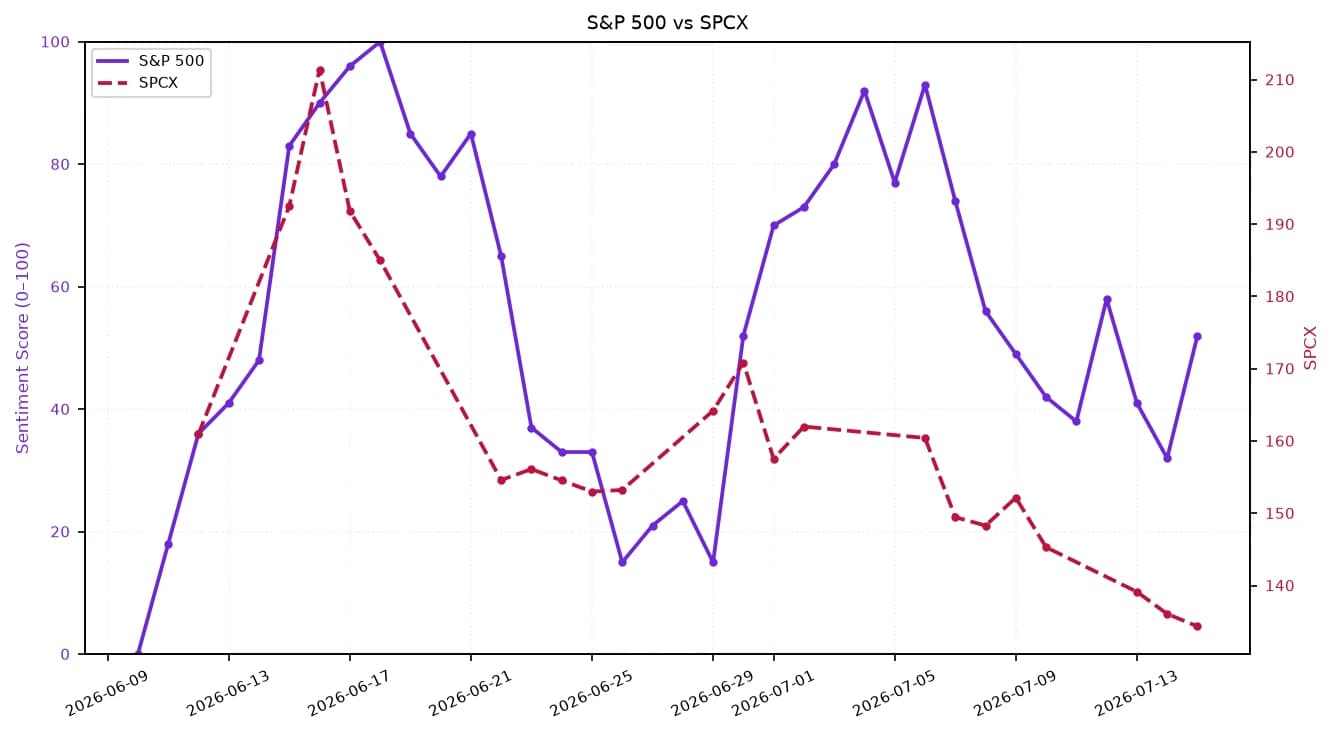
Sentiment IndicatorsⓘProprietary · adalytica.com · September 23, 2026
This is a snapshot — live sentiment, awareness and momentum for 130+ markets update continuously in the dashboard.Open AlphaPulse
The Kospi fell 0.22% last week to 6,894.23, with foreign investors and retail traders net sellers, while institutions bought 1.05 trillion won. That pattern highlights how fragile domestic demand is when global policy risks are unresolved and major participants step to the sidelines ahead of a market closure.
Historically, the holiday period has been a weak patch for the benchmark. Over the past 10 years, the Kospi’s average return in the five trading days before and after Chuseok has been -0.42% and 0.68%, respectively, reinforcing the idea that pre-holiday caution often gives way to post-holiday bargain hunting.
Fed speakers due this week add another layer of risk. While Korean strategists still view the latest U.S. rate move as unlikely to mark the start of a new tightening cycle, they say comments from policymakers could keep global rates and equity multiples under pressure if they sound more hawkish than expected.
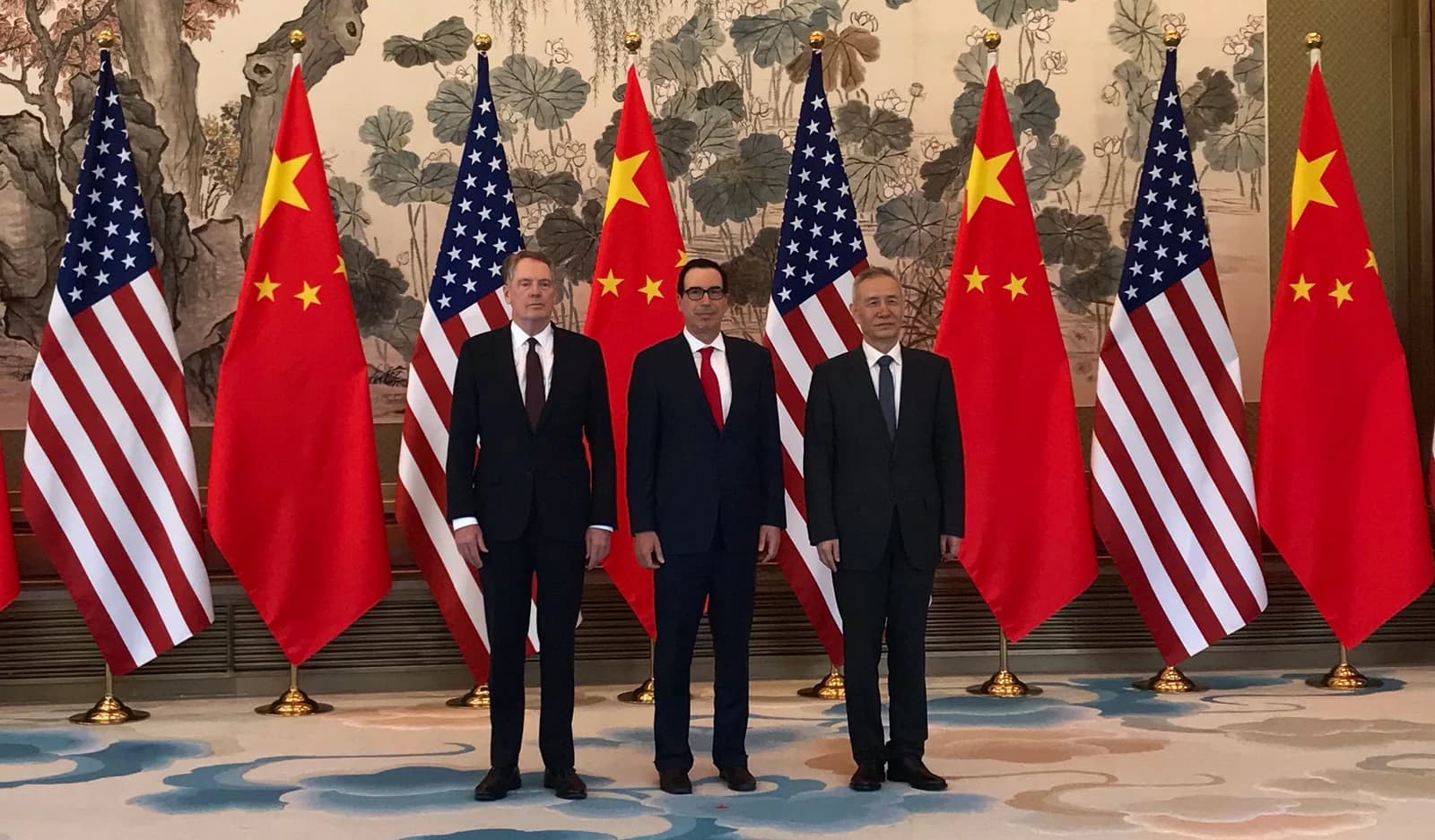
For investors, the bigger prize is the U.S.-China summit. Talks are expected to cover trade, Iran and artificial intelligence, but the key issue for Korean chipmakers is AI-related export controls and whether Washington moves to tighten restrictions on Chinese access to advanced models and the tools used to train them.
That matters because any clampdown on model distillation or related AI development pathways in China could squeeze low-cost Chinese AI progress and, by extension, support demand for non-Chinese semiconductor supply chains. Korean chip stocks would likely be among the main beneficiaries if the talks produce clearer restrictions or a more durable trade framework.
U.S. equity and emerging-market signals have been mixed but supportive of risk appetite, with the S&P 500 ETF rising to 773.5 on Sept. 21 and the iShares MSCI Emerging Markets ETF climbing to 68.83. Still, those gains leave room for volatility if summit headlines disappoint or Fed comments revive concern over rates.
For now, traders are likely to favor a cautious, event-driven stance into the holiday, then look for entry points after the break if policy risk eases and foreign buying returns to the Seoul market.
| Entity | Gains | Losses |
|---|---|---|
| Korean chipmakers | ▲Easier AI export rules | ▼Tighter U.S.-China controls |
| Post-holiday buyers | ▲Better entry levels | ▼Immediate upside if markets rally early |
| Institutions | ▲Chance to buy dips | ▼Waiting through thin liquidity |
| Foreign and retail sellers | ▲Cash raised before risk events | ▼Missed rebound if summit optimism grows |