Proposed federal changes to SNAP eligibility could do more than trim grocery aid in South Georgia — they could knock families out of Head Start and push more low-income households toward already strained rental and utility assistance programs.
South Georgia SNAP Changes Could Affect Head Start
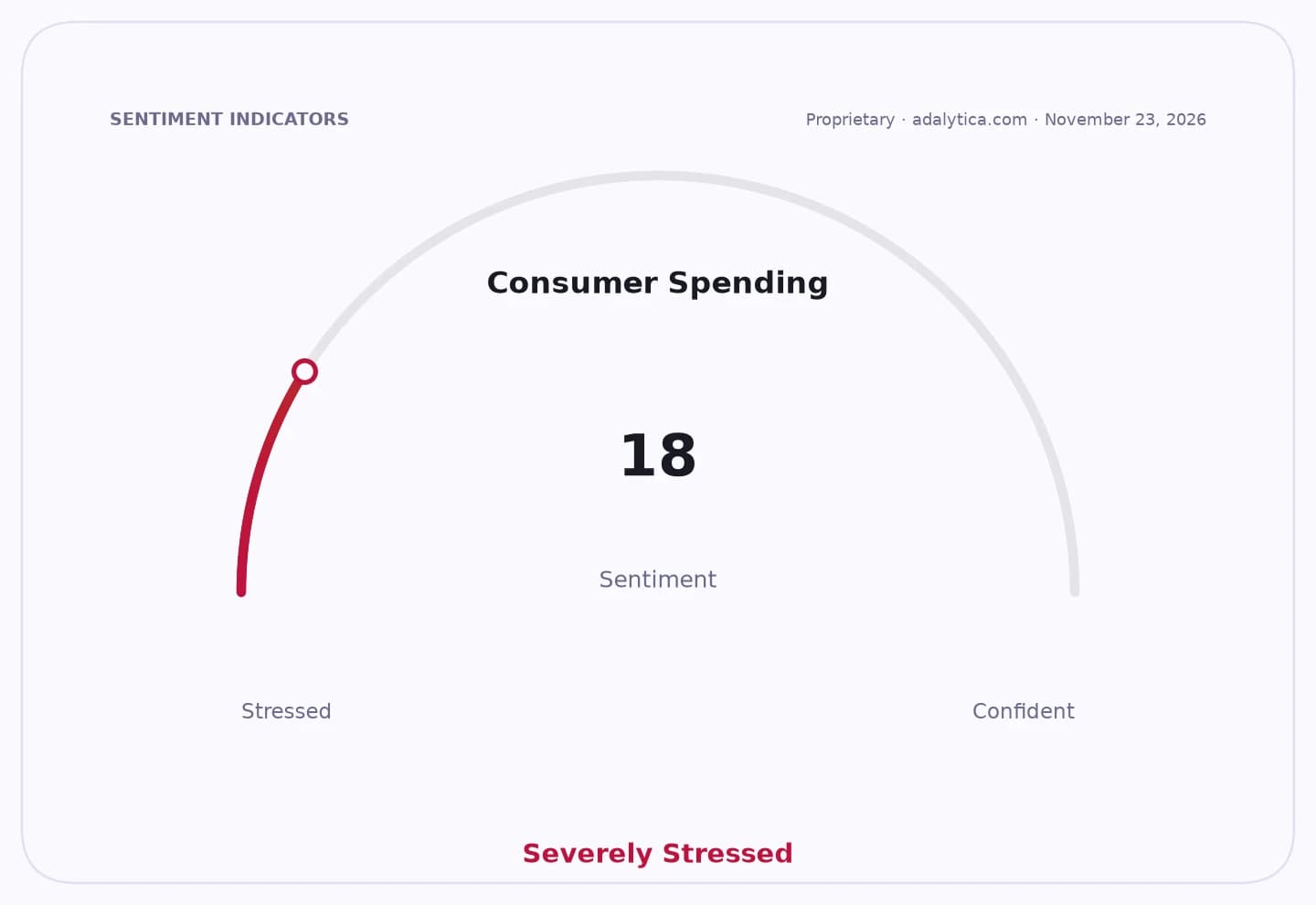
That is the real economic significance here. SNAP is not just a food benefit in this part of Georgia; it is a gateway program that helps families automatically qualify for Head Start, which provides child care, health screenings and developmental services. If eligibility tightens, the region risks a second-order hit: fewer children in early education programs, more budget pressure on parents trying to stay employed, and a larger caseload for local nonprofits that are already stretched thin.
Sentiment Indicators
Leaders at the Southwest Georgia Community Action Council say they are bracing for that chain reaction. Yolanda Daniels, the council’s Head Start director, warned that losing automatic SNAP-linked eligibility could reduce access to affordable child care and specialized services for children with disabilities. For working families, that is not just a social-services issue; it is a labor-market issue. Child care access affects whether parents can keep jobs, maintain hours and remain self-sufficient.
The strain would likely be most acute among seniors and multigenerational households. India Williams, the council’s community services director, said rising housing, grocery and utility costs are already forcing hard trade-offs between food and medicine. If food support falls, some households will likely shift the pressure onto rent and utility bills, increasing demand for emergency aid and raising the risk of delinquencies, disconnections and housing instability.
That is why this proposal matters beyond Albany and Dougherty County. The story is about the fragility of the safety net in a high-cost environment, not just a rule change in Washington. With the USDA accepting public comment through Dec. 10, local agencies have limited time to prepare, and limited budgets to absorb the fallout. The council is already trying to broaden partnerships, add nutrition education and teach families to stretch grocery dollars further — useful, but not enough if federal eligibility shifts reduce the flow of support upstream.
For investors, the broader takeaway is that policy tightening in food assistance can ripple into adjacent sectors tied to household stability: rental housing, utilities, grocery demand and consumer staples. In the short run, the clearest beneficiaries are the nonprofits and service providers trying to fill the gap, while the losers are low-income families, Head Start programs and local landlords and utilities exposed to more payment stress. The market may not trade this headline directly, but it is exactly the kind of policy pressure that can gradually reshape consumer behavior and local economic resilience.
Bottom line: if Washington narrows SNAP access, South Georgia’s pain will not stop at the dinner table. It will spread into child care, housing and utility bills — and the families least able to absorb it will feel the shock first.
| Entity | Gains | Losses |
|---|---|---|
| South Georgia assistance groups | ▲Higher need for outreach funding | ▼More demand with limited resources |
| Low-income families | ▲Short-term help from local aid | ▼SNAP, Head Start and housing stability |
| Head Start centers | ▲Stronger case for support partnerships | ▼Fewer eligible children enrolled |
| Landlords and utilities | ▲Possible prompt payment from aid flows | ▼Higher arrears risk if assistance falls |