South Africa is projected to offer the highest wage purchasing power in Africa in 2026, underscoring that what workers can actually buy matters more than headline pay levels or even GDP per capita.
South Africa Leads Africa in Wage Purchasing Power
A mid-2026 comparative study by Numbeo ranks South Africa first on the continent with a local purchasing power score of 105.5, ahead of Botswana at 80 and Namibia at 69. Mauritius follows at 54.1, while Morocco, Libya, Algeria, Tunisia, Kenya and Seychelles complete the top 10. The ranking uses New York as the benchmark and is designed to show how far an average net salary goes after local costs for food, housing, transport, utilities and other essentials.
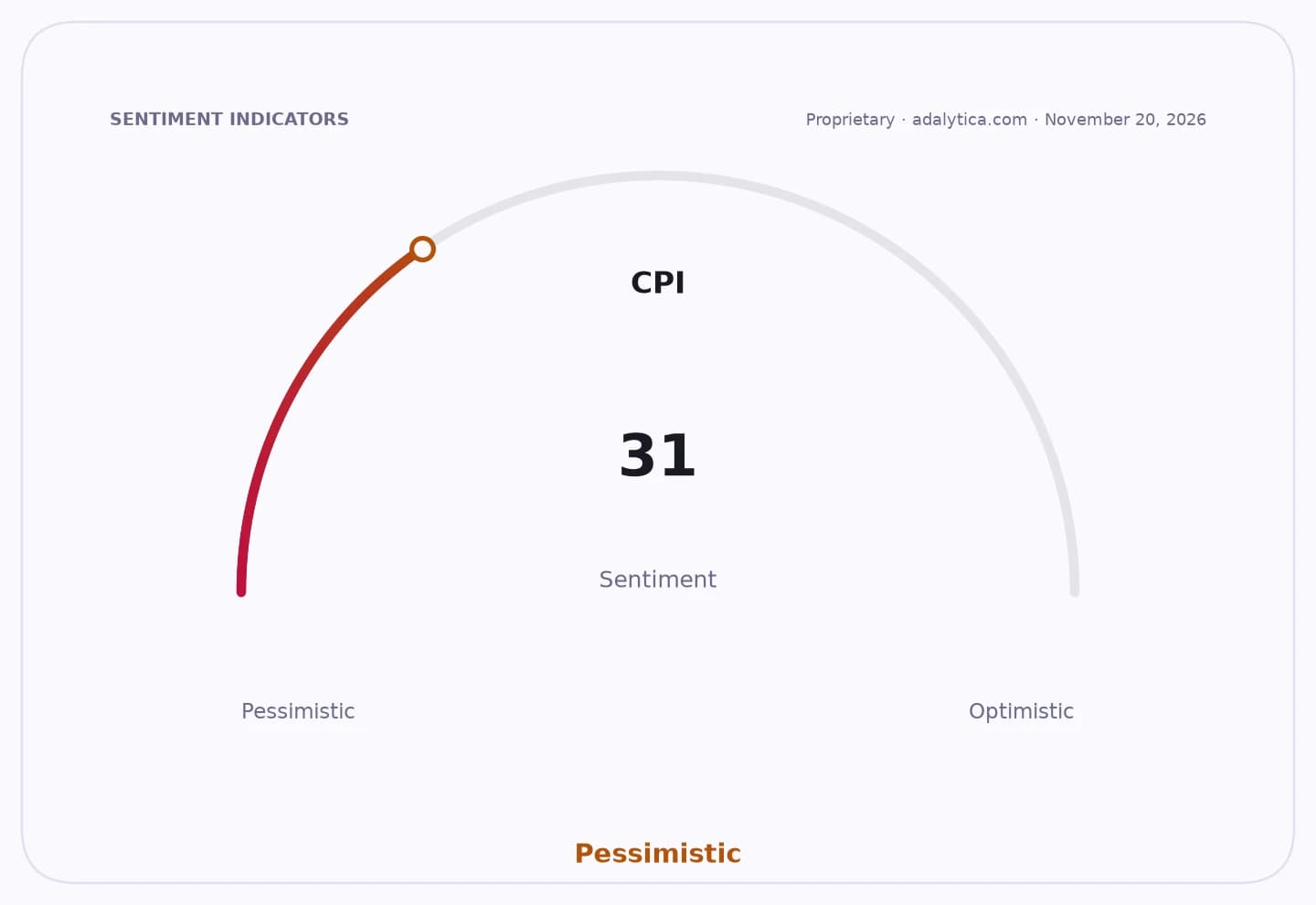
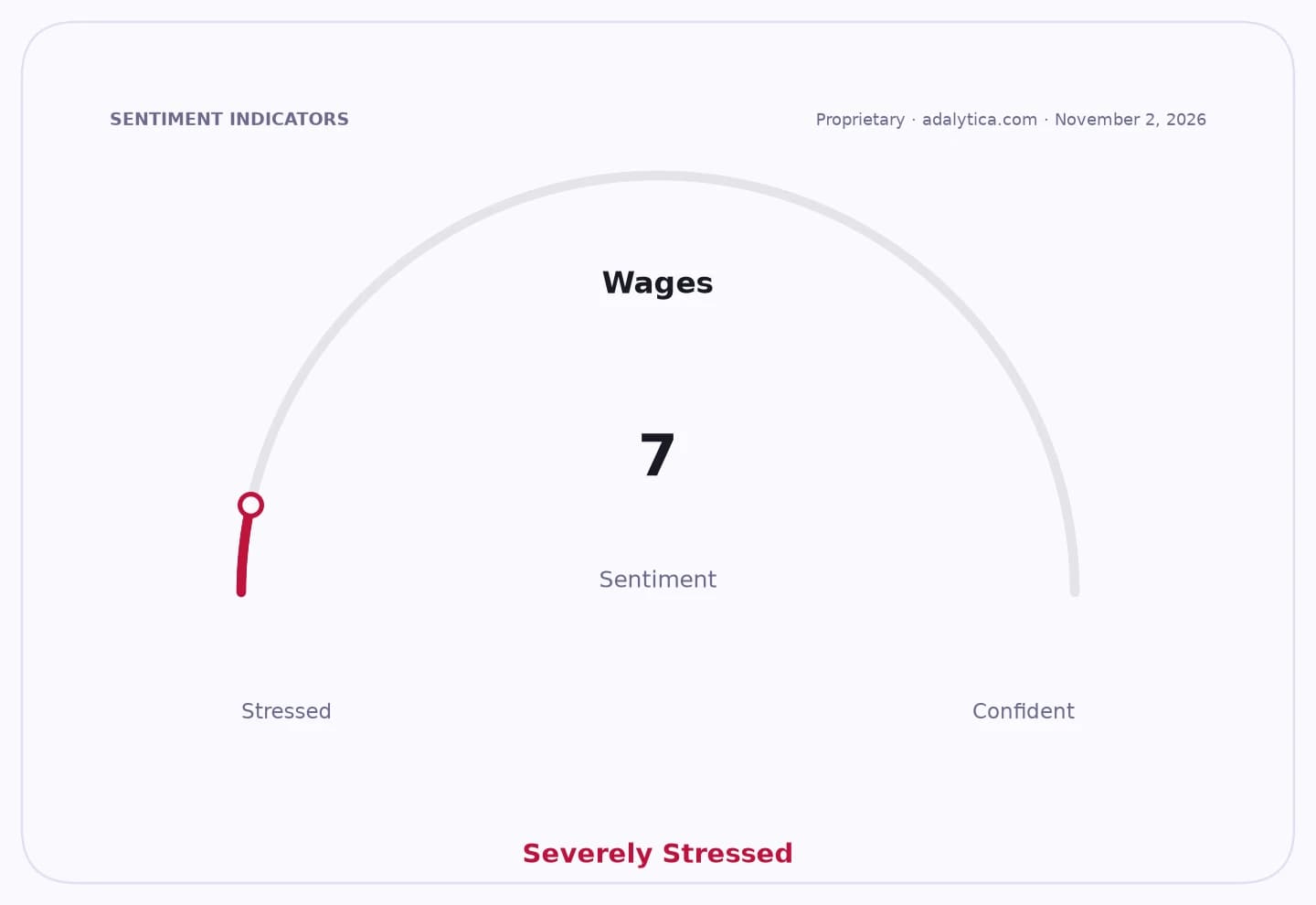
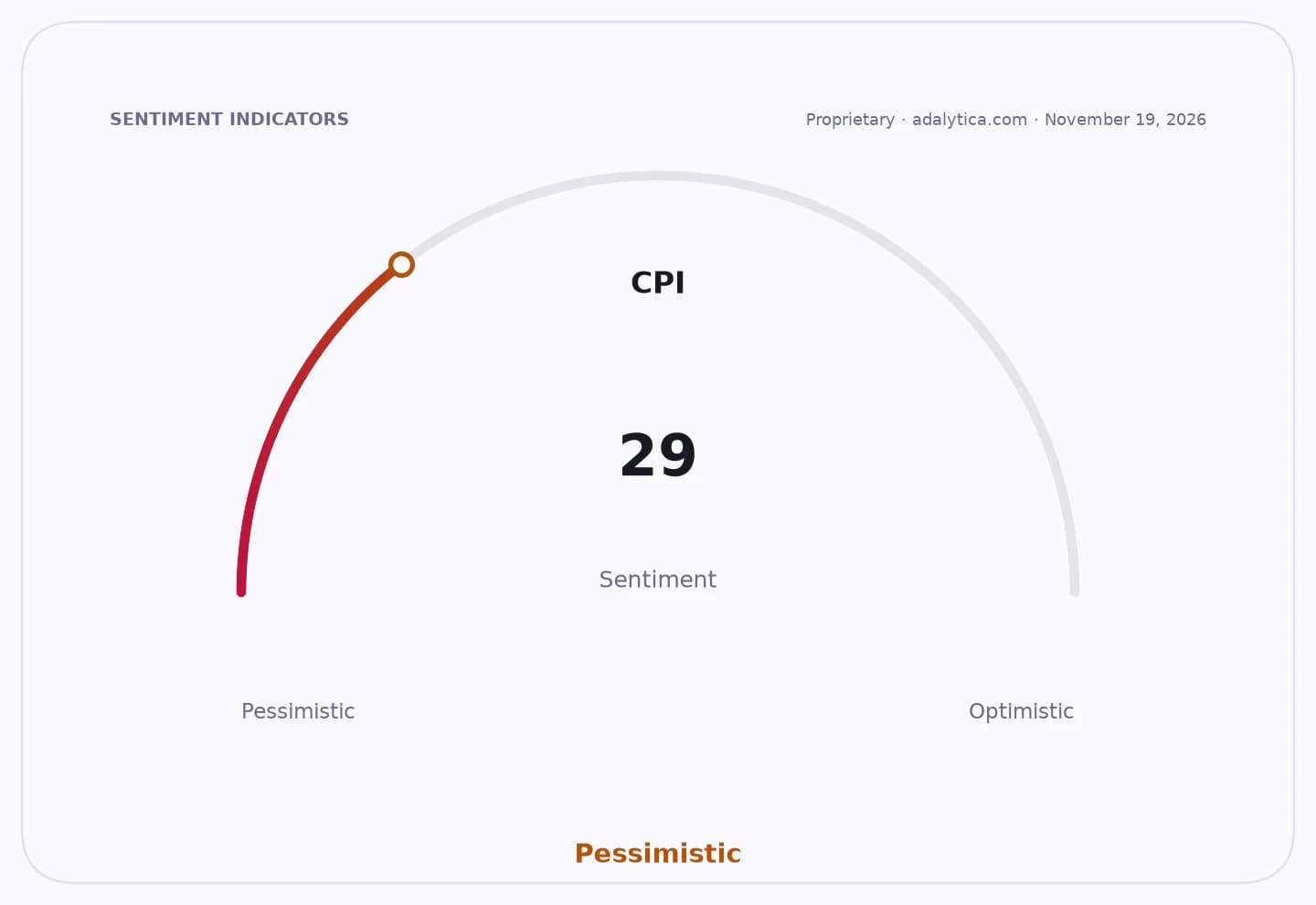
Sentiment Indicators
That distinction is economically important because Africa’s labor markets are being judged less by nominal wage growth than by the gap between earnings and living costs. In countries where inflation, imported goods, housing and utilities absorb a larger share of income, workers may be paid more in nominal terms and still feel poorer. The Numbeo ranking captures that mismatch and explains why higher-income economies do not always translate into stronger household purchasing power.
The contrast is sharpest when compared with GDP per capita. The IMF estimates Seychelles has Africa’s highest GDP per person at about $19,160, followed by Mauritius at roughly $13,670, Botswana at $8,560 and South Africa at $7,660. Yet Seychelles ranks only 10th in wage purchasing power, with a score of about 31.5, well below South Africa’s 105.5 and Botswana’s 80. Libya and Kenya also sit far from the top of the GDP-per-capita league table while ranking higher in wage purchasing power than their income levels alone might suggest.
For investors, the ranking is a reminder that consumer demand is driven by real disposable income, not national output statistics. Countries with stronger wage purchasing power are better positioned to support spending on consumer staples, transport, telecoms and discretionary goods, while markets where nominal income is eroded by costs may see weaker consumption even if macro headline growth looks respectable. That has implications for retailers, beverage groups, banks and consumer lenders across the region, as well as for payroll-sensitive employers facing pressure to preserve morale without inflating labor costs.
The ranking also speaks to a broader policy problem across Africa: wage negotiations and minimum-wage decisions are taking place against a backdrop of persistent cost-of-living pressure. Where prices for essentials rise faster than salaries, governments risk social tension, labor unrest and political backlash. Where wages retain more purchasing power, the benefit shows up in household stability and, potentially, more resilient domestic demand.
The main takeaway for markets is that wage competitiveness in Africa cannot be read from growth figures alone. Countries that pair moderate living costs with relatively solid pay packets may offer the best near-term support for consumption, while those with high incomes but expensive consumer baskets may still leave workers squeezed. As inflation and labor policy remain in focus, real wage power will stay a more useful gauge of economic health than paychecks alone.
| Entity | Gains | Losses |
|---|---|---|
| South Africa | ▲Highest wage purchasing power | ▼High-cost peers |
| Botswana & Namibia | ▲Strong real wages | ▼Lower-ranked wage markets |
| Households | ▲More disposable income | ▼Inflation-hit workers |
| Consumer firms | ▲Better demand outlook | ▼Cost-sensitive retailers |