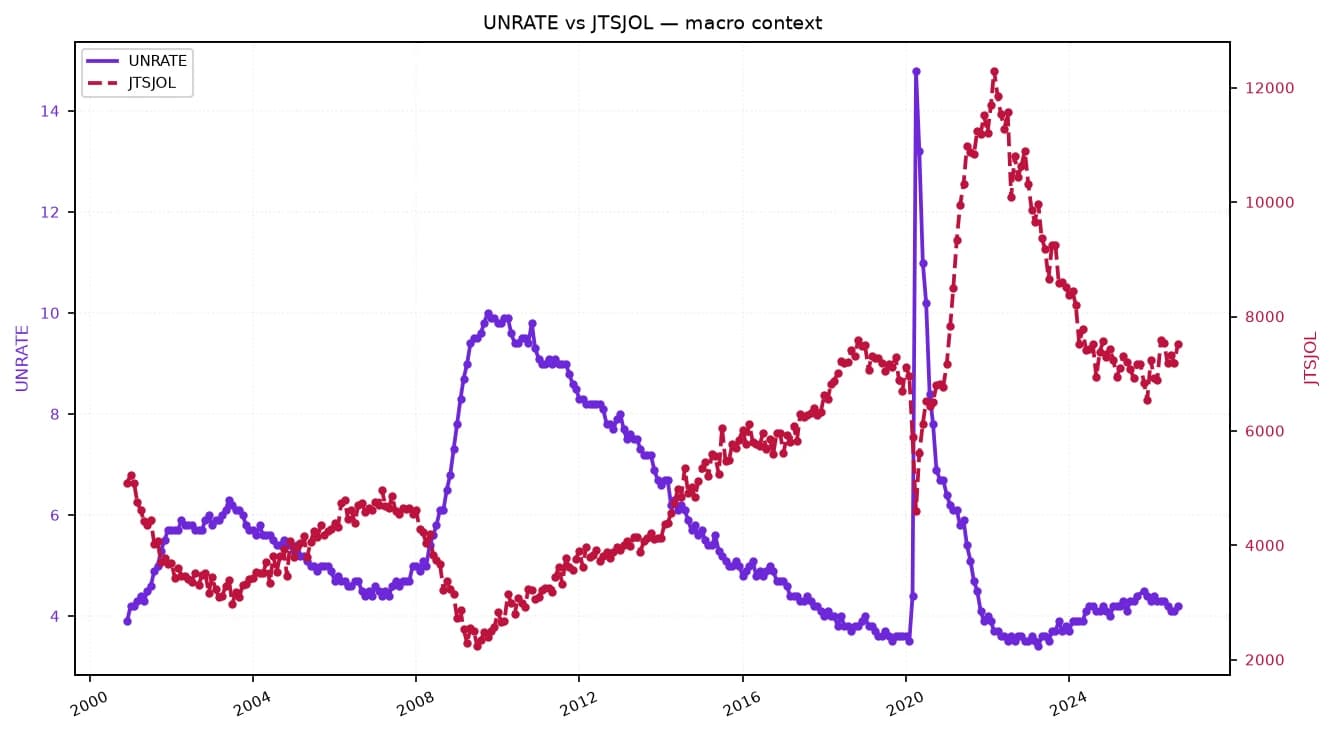
Slovakia’s unemployment rate dipped in October, but the drop was mostly cosmetic: once seasonal effects are stripped out, joblessness edged higher and the broader labor market continued to cool.
Slovakia unemployment falls as vacancies soften
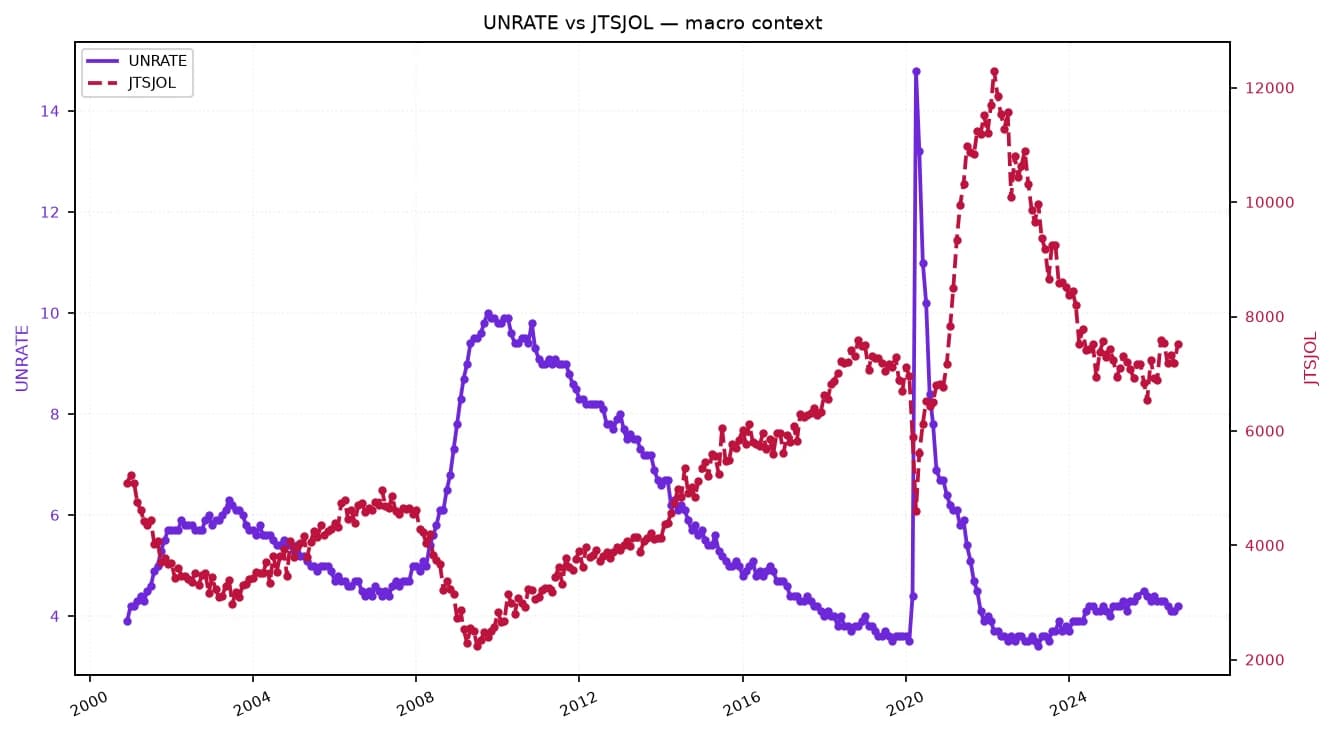
That matters because the headline decline to 5.18% can mask a softer underlying trend. UniCredit Bank said the seasonally adjusted rate rose to 5.24% from 5.22%, while the number of open jobs fell again and growth in vacancies slowed to the weakest pace since August 2024. In other words, the labor market is not sliding sharply, but it is losing momentum on both the supply and demand sides.
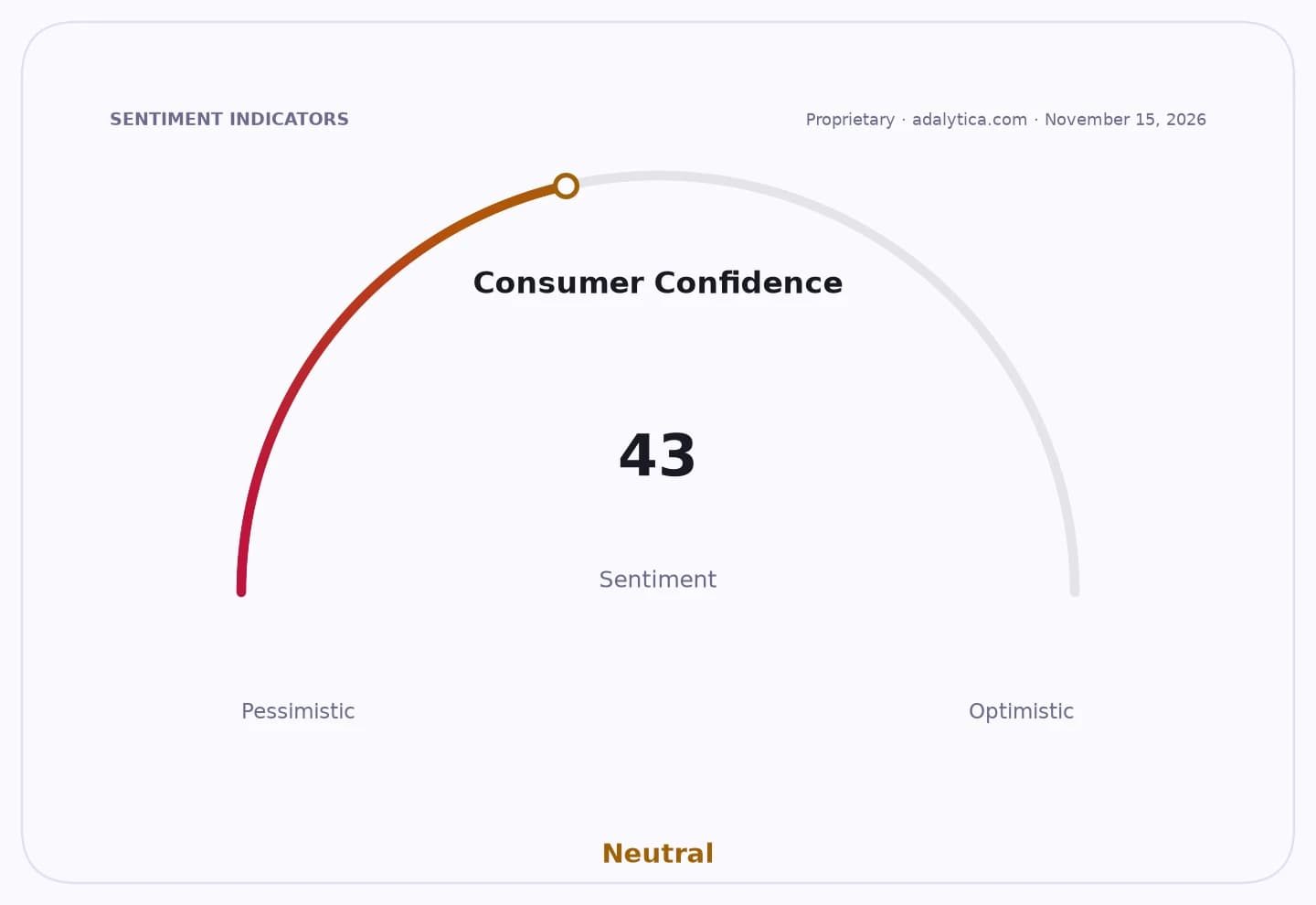
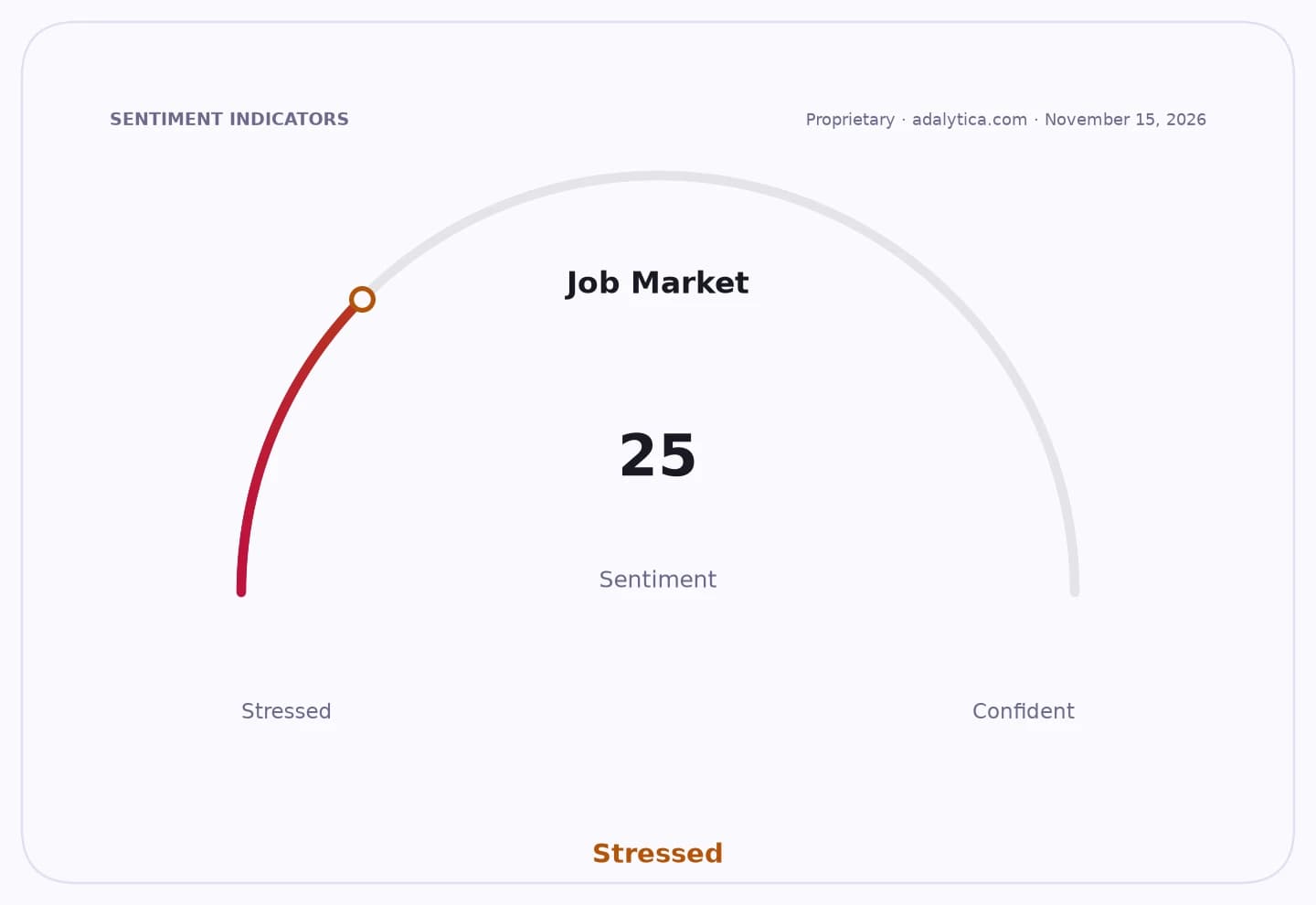
Sentiment Indicators
The clearest sign of cooling is in hiring demand. Vacancies fell by 1,700 in October to 136,100, and the seasonally adjusted decline was close to 1,000. Year-on-year growth in openings eased to 16.7% from 20.6%, suggesting employers are becoming more cautious even as they still need workers. Analysts also warned that foreign-worker paperwork has been distorting vacancy data, complicating the picture.
The slowdown is broad, but not severe enough yet to trigger a jump in unemployment. UniCredit said the market’s resilience reflects the fact that many workers dismissed in recent mass layoffs found new jobs relatively quickly. The share of those laid off in the past 12 months who found work rose from 78% to almost 90%, indicating that labor turnover remains manageable even as recruitment softens.
The regional split remains economically important. Western Slovakia’s seasonally adjusted unemployment stood at 3.96%, compared with 8.22% in the south of central Slovakia and the east. That two-speed structure means weaker regions are more exposed if growth slows further, while stronger industrial areas remain comparatively tight. For policymakers, it underscores that a single national unemployment rate can overstate labor-market health in some areas and understate fragility in others.
Foreign labor continues to be a pressure valve. The number of foreign workers rose by more than 3,000 to a record 153,400 in October, though annual growth slowed to 10.4%, the weakest since August 2024. Ukrainians remain the largest group, but employers are increasingly relying on workers from Asia, especially Southeast Asia and the Indian subcontinent. That shift shows how Slovakia’s employers are adapting to demographic decline and persistent labor shortages, particularly in industry, construction, agriculture and services.
For investors, the message is mixed. A cooling labor market reduces the risk of wage inflation running ahead of productivity, which is supportive for margins in labor-intensive sectors. But it also points to softer domestic demand ahead, especially if vacancies keep declining and regional joblessness rises. The broader risk is that Slovakia enters a slower-growth phase with less room for consumers to absorb higher living costs, even as companies continue to depend on imported labor to keep production lines moving.
The next few months will determine whether this is a mild normalization or the start of a more durable slowdown. For now, Slovakia’s job market looks stable on the surface, but the underlying trend is clearly weaker than the headline unemployment rate suggests.
| Entity | Gains | Losses |
|---|---|---|
| Employers | ▲Easier hiring | ▼Slower demand growth |
| Job seekers | ▲Still absorbable market | ▼Fewer vacancies |
| Foreign workers | ▲More opportunities | ▼Slower inflow growth |
| Weak regions | ▲Policy attention | ▼Higher unemployment risk |