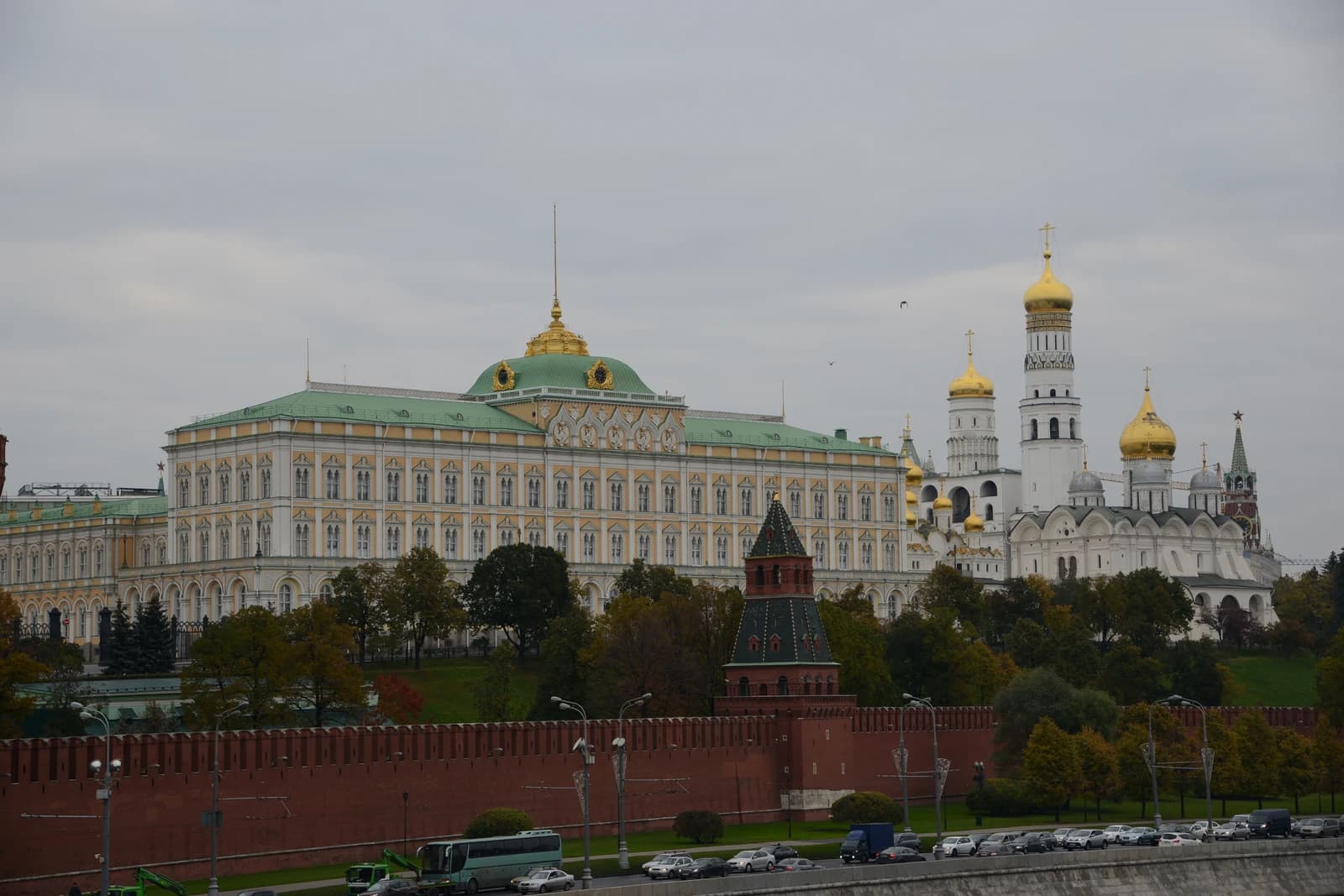
Moscow ranked first among Russian regions on labor market development, underscoring how sharply employment conditions, wages and worker mobility are diverging across the country even as the national jobless rate stays unusually low.
Moscow ranks first in Russia labor market study
The capital scored 89.34 out of 100 in a study prepared for TASS by Financial University professor Alexander Safonov, far ahead of second-place Khabarovsk Krai at 68.5 and followed by Krasnodar Krai, Moscow region and Rostov region. The index combines four equally weighted pillars — vacancies, household income, market stability and migration — making Moscow’s lead a sign not just of more jobs, but of deeper labor-market resilience and stronger earnings power.
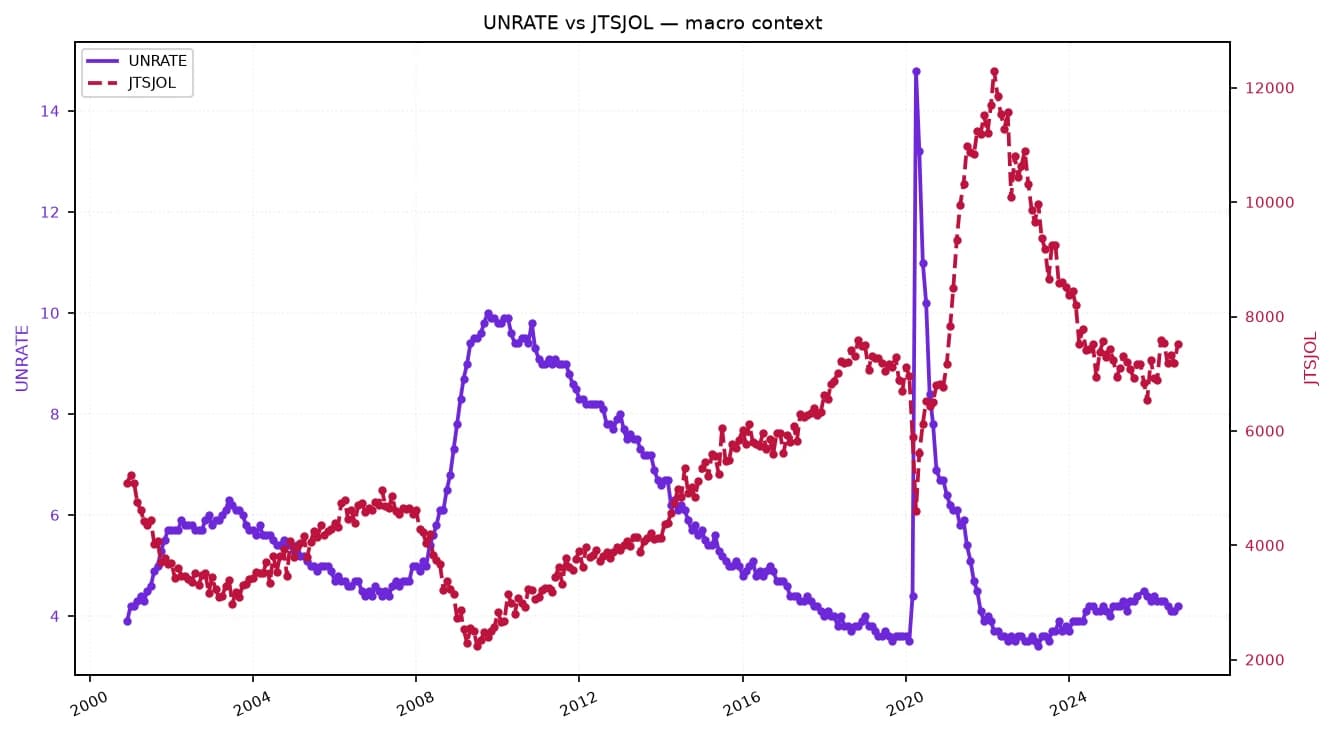
That matters economically because Russia’s labor market is one of the few areas still showing tightness amid broader strains from slowing growth, uneven wage gains and the risk of compensation pressure in coming years. A region with high vacancy levels, better pay and steady in-migration typically has stronger consumer spending, firmer tax receipts and more room for businesses to expand. For Moscow, the ranking reinforces its role as the country’s main magnet for skilled labor and corporate investment. For poorer regions, it highlights the challenge of keeping workers as migration flows and wage gaps pull talent toward the largest urban centers.
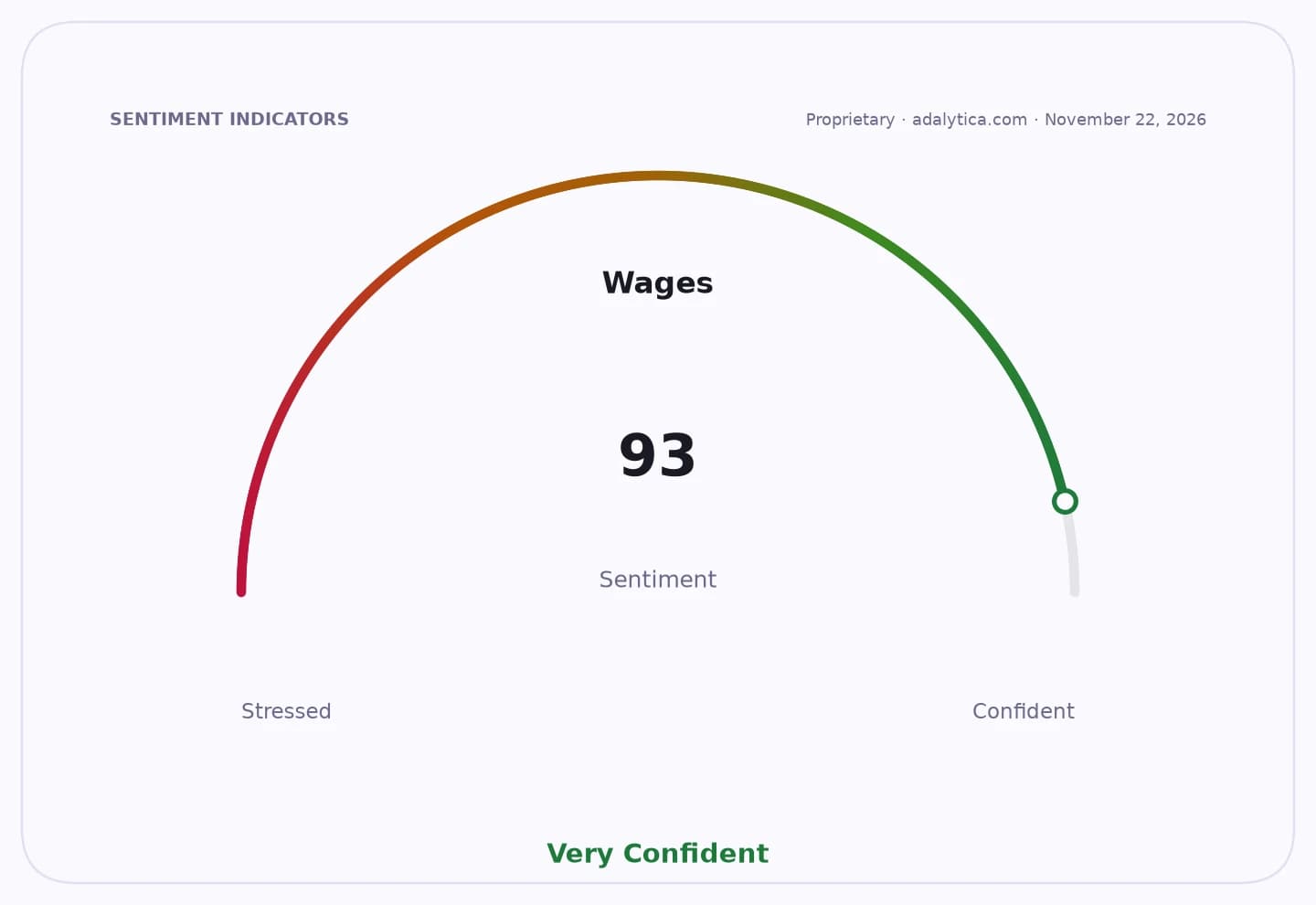
The result also fits a broader national picture in which unemployment remains low but conditions are becoming more uneven. President Vladimir Putin has said the unemployment rate will hold at 2.3%, but companies are also signaling caution: nearly a third plan to stop paying the traditional 13th salary, while wage indexation remains a concern for many households. That combination suggests a labor market that is still tight on paper, yet under pressure in real terms as firms try to protect margins and workers face weaker income growth.
Safronov’s framework gives investors and policymakers a useful read on where labor conditions are strongest and where strain may build first. Moscow’s lead points to continued concentration of demand, salaries and migration in the capital and a handful of regional hubs, which could support retail, housing and services spending there. The lagging regions, by contrast, may face more difficulty retaining workers, especially if the economy cools and companies become less willing to raise pay.
The key question for 2027 is whether Russia’s labor market remains broadly tight while real wage growth slows, or whether regional disparities widen enough to start feeding back into consumption, mobility and corporate hiring. If wage pressures ease faster than unemployment rises, that could preserve headline stability. If not, the gap between the strongest regions and the rest of the country may become one of the clearest fault lines in the economy.
| Entity | Gains | Losses |
|---|---|---|
| Moscow | ▲Labor supply, incomes, investment | ▼Less if wage costs rise |
| Leading regional hubs | ▲Migration inflows, vacancies filled | ▼Smaller regions losing talent |
| Employers with strong balance sheets | ▲Easier hiring | ▼Labor shortages and higher wages |
| Lower-income regions | ▲— | ▼Worker outflow, weaker pay growth |