Saudi Aramco plans to partially restore flows through its East-West oil pipeline in the coming days, a move that would ease a supply shock after drone strikes forced the kingdom to halt use of the route last week.
Saudi Aramco Plans Partial East-West Pipeline Restart
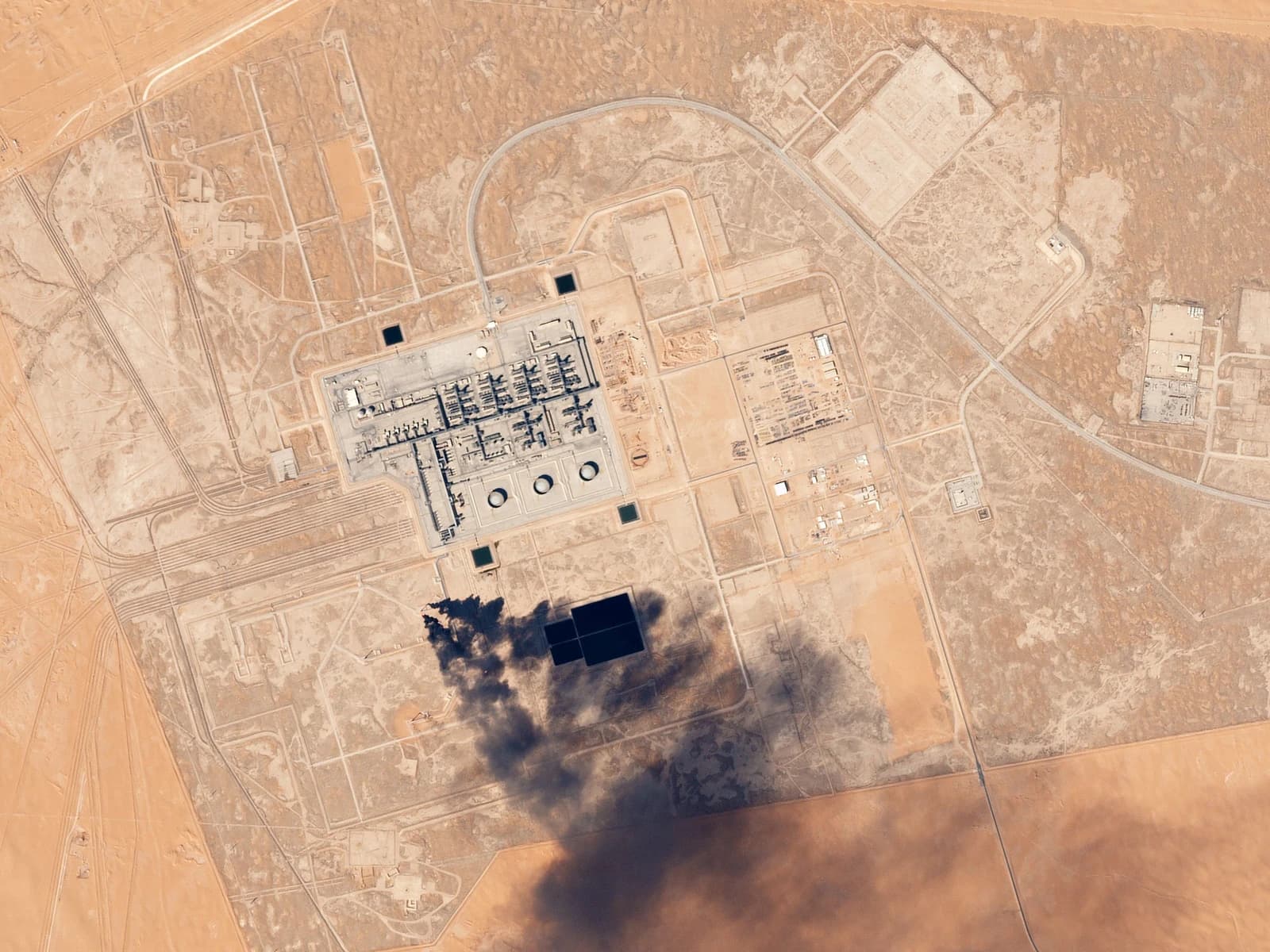
The state producer is working around the damaged section so it can bring the 1,200-kilometer pipeline back to about half of its normal capacity, according to people familiar with the matter cited by Bloomberg. Full repairs could take about six weeks, underscoring that the outage is not over even if exports resume soon.
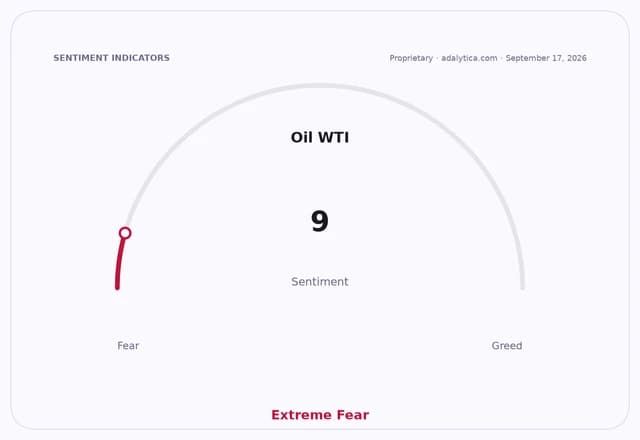
Sentiment IndicatorsⓘProprietary · adalytica.com · September 17, 2026
This is a snapshot — live sentiment, awareness and momentum for 130+ markets update continuously in the dashboard.Open AlphaPulse
The pipeline is one of Saudi Arabia’s most important export corridors, with the capacity to move about 7 million barrels a day from the kingdom’s east coast to Yanbu on the Red Sea, bypassing the Strait of Hormuz. That makes it strategically vital not just for Saudi supply but for global oil trade, especially when tensions in the region threaten other shipping lanes.
For investors, the restart plan is a partial relief rather than a clean fix. Oil markets have already been on edge, with Brent and U.S. crude prices elevated and U.S. diesel costs at record highs in the wake of supply disruptions. A limited recovery in Saudi exports could trim some of the premium built into crude prices, but the risk of further attacks keeps the market sensitive to headlines.
Energy shares and oil-linked assets have benefited from the supply scare, while refiners and fuel consumers have absorbed the downside of tighter crude availability. Saudi Arabia’s ability to reroute some barrels also matters for European buyers, who have faced reduced shipments as the pipeline outage disrupted flows.
Aramco and Saudi Arabia’s energy ministry did not immediately respond to requests for comment. Traders will now watch whether the kingdom can keep the alternative route operating and whether repairs stay on schedule, with any delay likely to keep crude and diesel markets volatile.
| Entity | Gains | Losses |
|---|---|---|
| Saudi Aramco | ▲Partial export restoration | ▼Reduced pipeline capacity |
| Oil bulls | ▲Supply premium support | ▼Risk of price pullback |
| Refiners and fuel users | ▲More crude availability | ▼Elevated input costs |
| Short-sellers in crude | ▲Some easing of panic pricing | ▼Geopolitical risk remains |