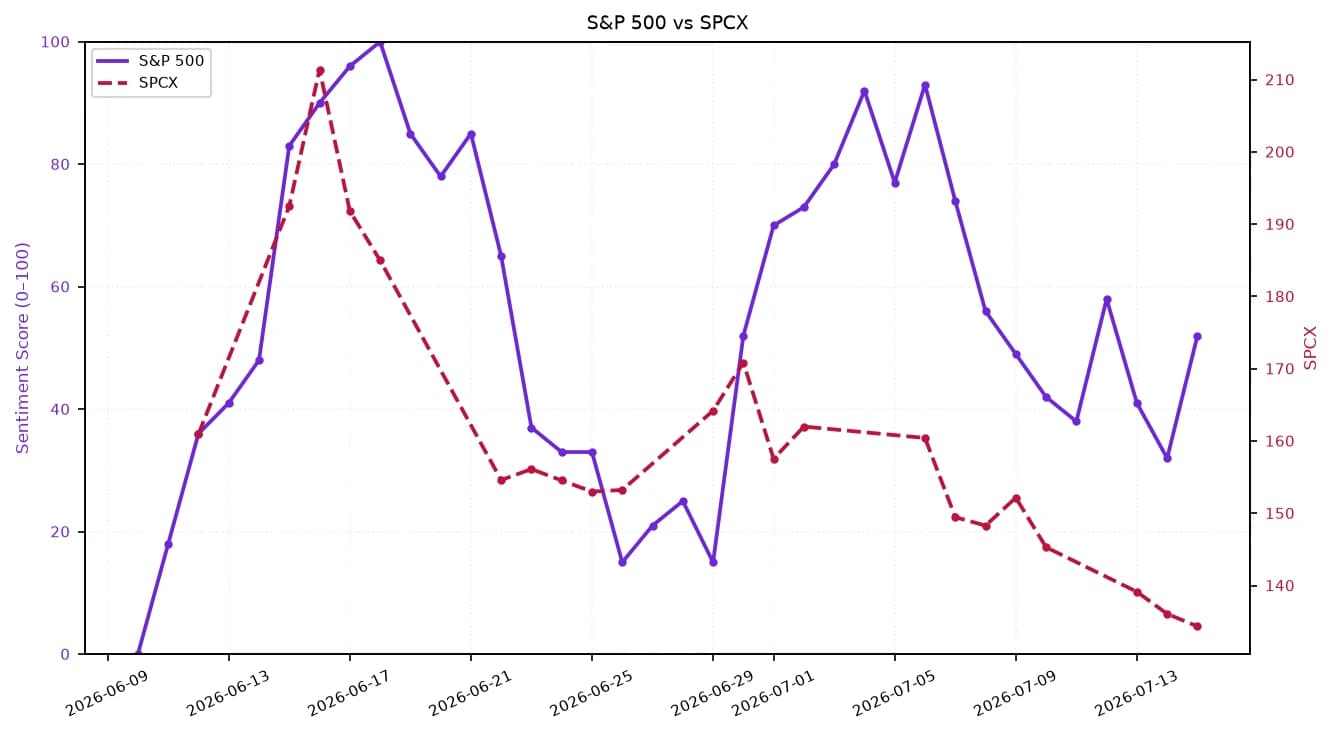
Saudi Aramco’s decision to tell refiners it will not make crude oil available next month is the kind of supply shock Europe can least afford, tightening an already strained market and keeping Brent and WTI elevated above levels that are already feeding inflation and refinery stress.
Saudi Aramco Cuts Crude Supply to Refiners
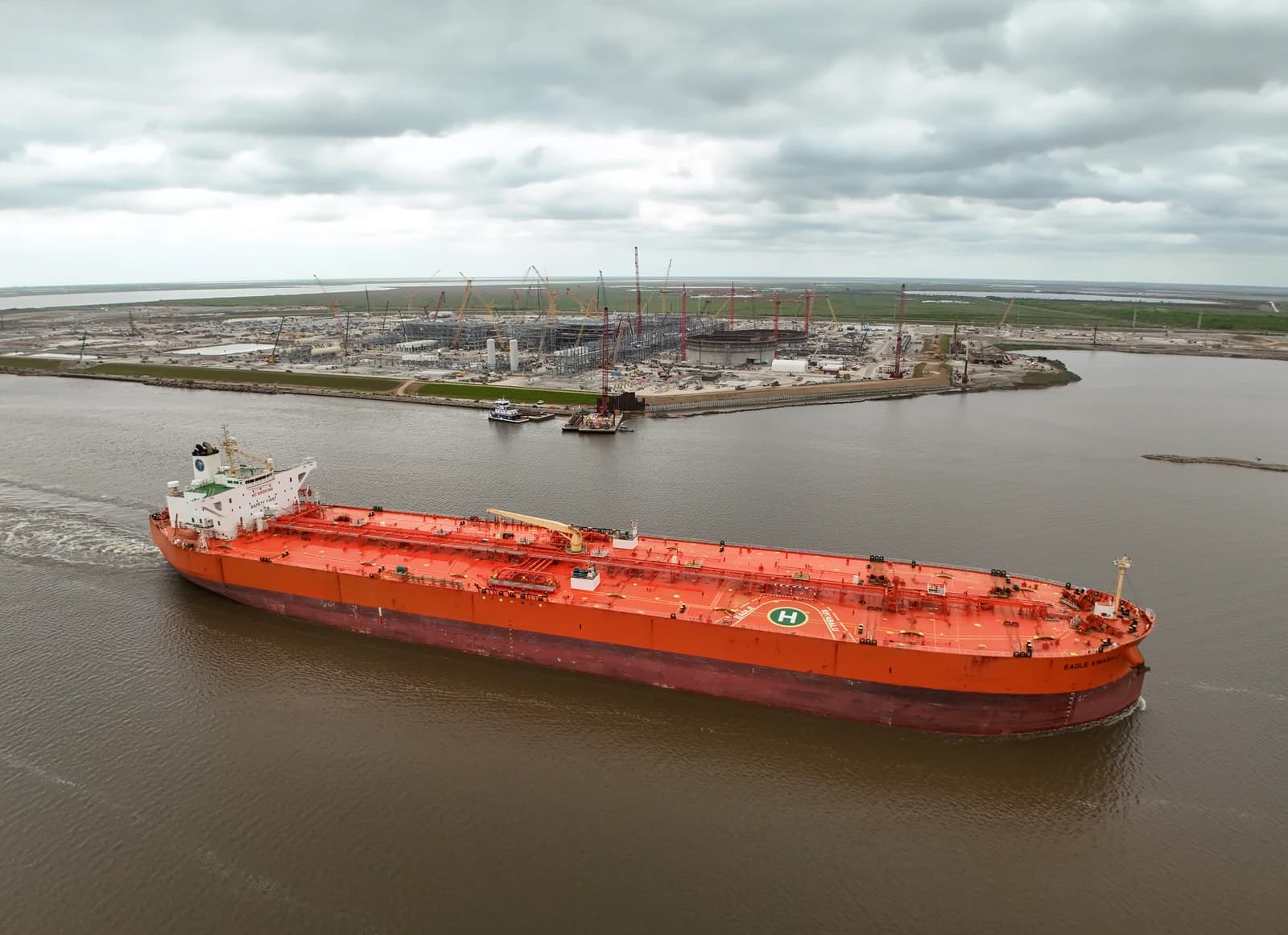
The most important issue is not just that one supplier is withholding barrels; it is that the move hits a market already short of spare capacity, short of tankers and exposed to geopolitical risk in the Middle East. With WTI recently trading around $96 to $102 a barrel and Brent already above $100 in the broader oil complex, the market is showing signs of a physical squeeze rather than a paper rally. That matters because Europe imports a large share of the crude it refines and consumes, and any interruption in Saudi supply forces buyers to compete for alternative grades at higher freight and prompt-delivery premiums.
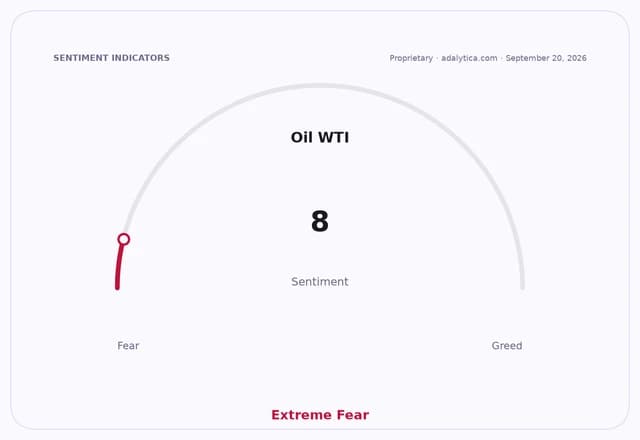
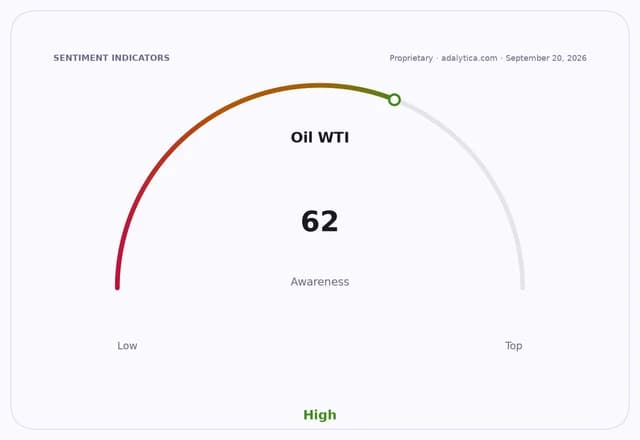
Sentiment IndicatorsⓘProprietary · adalytica.com · September 20, 2026
This is a snapshot — live sentiment, awareness and momentum for 130+ markets update continuously in the dashboard.Open AlphaPulse
For investors, the setup is clear: constrained supply is a direct tailwind for upstream producers and a headwind for refiners, airlines and fuel-intensive industries. Energy shares have already responded, with the Energy Select Sector SPDR up sharply and the oil-and-gas exploration ETF XOP trading near 190, while broader oil funds have also stayed firm. The technical picture underscores the momentum: WTI is still well above its 50-day moving average, and XOP remains above both its 50-day and 200-day moving averages, a sign that capital is still crowding into the trade rather than fading it.
Europe is especially vulnerable because the shortage comes on top of fragile logistics. A lack of giant tankers has already raised shipping costs and threatened long-haul crude flows, and fuel shortages in parts of France and warnings from German oil workers show how quickly a supply issue can turn into a downstream economic problem. If refiners cannot secure prompt barrels, they either pay up for replacement crude or trim runs, which tightens diesel and gasoline availability and feeds through to transport costs, power markets and headline inflation.
The market underestimates how quickly a crude allocation problem becomes a margin problem across the value chain. That is why the best positioning is still in the beneficiaries of tight physical oil markets: integrated producers, select shale names, tanker owners and oilfield services. By contrast, refiners, airlines and European industrials face the wrong side of the trade if crude remains scarce into month-end and Saudi barrels stay off the table.
I believe this is another reminder that the oil market is not in a comfortable equilibrium, but in a precarious one where a single supplier decision can move prices, margins and macro expectations at the same time. For investors, the actionable takeaway is to stay overweight energy producers and logistics beneficiaries while staying cautious on fuel users until Aramco signals barrels are back in circulation.
| Entity | Gains | Losses |
|---|---|---|
| Aramco / Saudi producers | ▲Higher pricing power | ▼Lower spot market goodwill |
| Upstream oil producers | ▲Stronger crude prices | ▼Limited if supply normalizes quickly |
| Tanker owners | ▲Higher freight rates | ▼Capacity constraints persist |
| European refiners / fuel users | ▲None | ▼Tighter feedstock supply |