Santa Cruz County’s housing market stayed steady in August, but the Federal Reserve’s latest rate hike is adding pressure to affordability just as mortgage costs edge back toward 7%.
Santa Cruz County Housing Holds Steady as Rates Rise

The county’s market showed a familiar late-summer balance: available homes rose to 462 from 444 in July, sales slipped to 111 from 137, and the median price held near $1.35 million, down only slightly from $1.375 million the month before. Homes also moved faster, averaging 34 days on market versus 46 in July, suggesting demand remains intact even as borrowing costs rise.
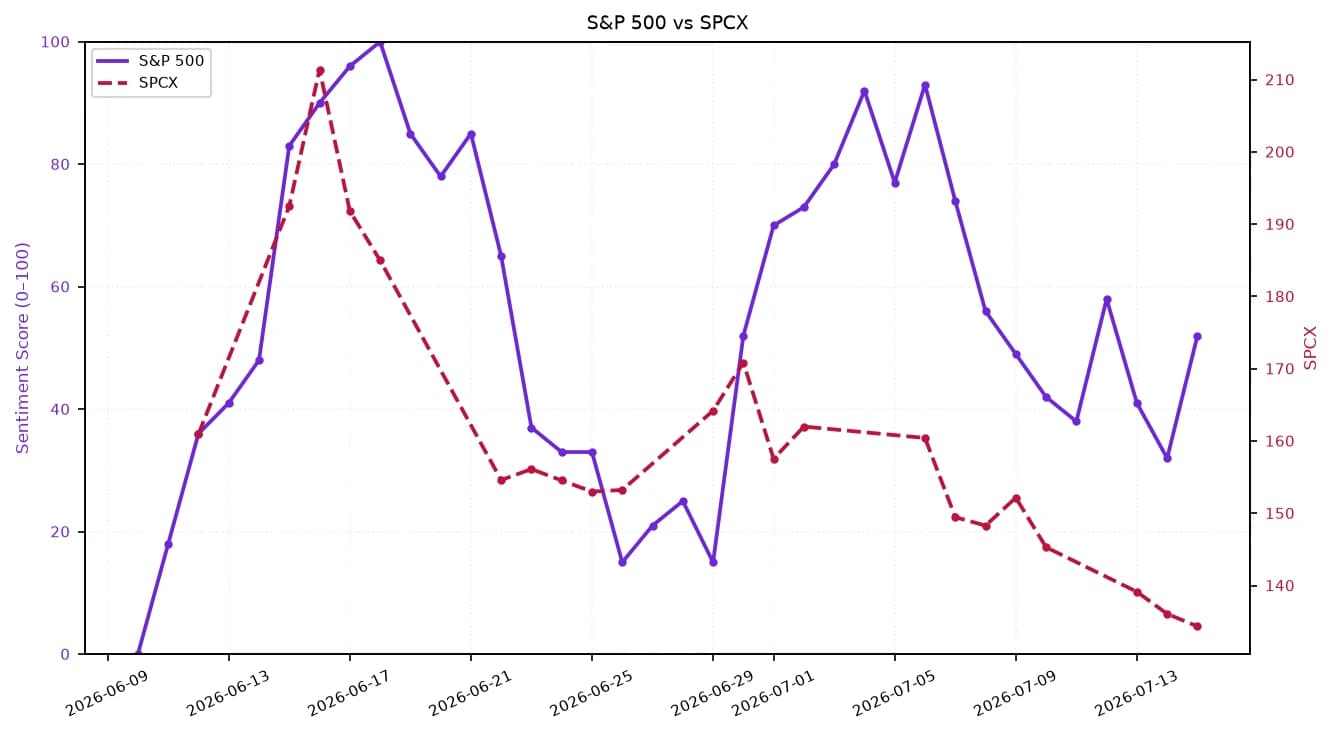
Sentiment IndicatorsⓘProprietary · adalytica.com · September 20, 2026
This is a snapshot — live sentiment, awareness and momentum for 130+ markets update continuously in the dashboard.Open AlphaPulse

That matters because the Fed’s quarter-point increase does not directly set mortgage rates, but it pushes up the benchmark environment that shapes long-term lending costs. With the 10-year Treasury yield above 5% and mortgage rates inching toward 7%, buyers are facing a tougher affordability backdrop that could cool volume more than pricing in higher-end coastal markets like Santa Cruz.
Mortgage advisors say the rate move is already weighing on consumer borrowing more broadly, including credit cards, auto loans and home-equity lines. In a market where many buyers are already stretched, even small increases can change monthly payments enough to delay purchases or force price concessions.
For now, agents say inventory is helping to keep the market from overheating or freezing up. More listings give buyers more choice, but the county still has more buyers than sellers in many areas, which is keeping well-priced homes moving quickly.
Seasonality could tighten conditions again after September, when inventory usually peaks before the fall slowdown. If mortgage rates keep climbing instead of easing, sellers may become more hesitant and buyers more selective, leaving the market steadier in price but thinner in transaction volume.
| Entity | Gains | Losses |
|---|---|---|
| Santa Cruz sellers | ▲Higher prices hold | ▼Fewer closed sales |
| Santa Cruz buyers | ▲More listings and choice | ▼Higher mortgage costs |
| Mortgage lenders | ▲More rate-driven demand | ▼Affordability-sensitive borrowers |
| Homebuilders and housing ETFs | ▲Stable demand outlook | ▼Rate-sensitive sentiment |