Santa Cruz’s urban transport sector says about 2,000 diesel-powered buses will stay off the streets until the city defines a new fare, a move that could tighten mobility in Bolivia’s commercial capital just as fuel subsidies are being unwound.
Santa Cruz bus operators wait on new fare after diesel hike
The decision underscores how quickly higher diesel costs can feed into public transport prices, service availability and local inflation pressures. For households, the immediate risk is longer waits and higher commuting costs. For transport operators, the issue is whether fares can be raised enough to cover a fuel bill that has just been reset closer to international levels.
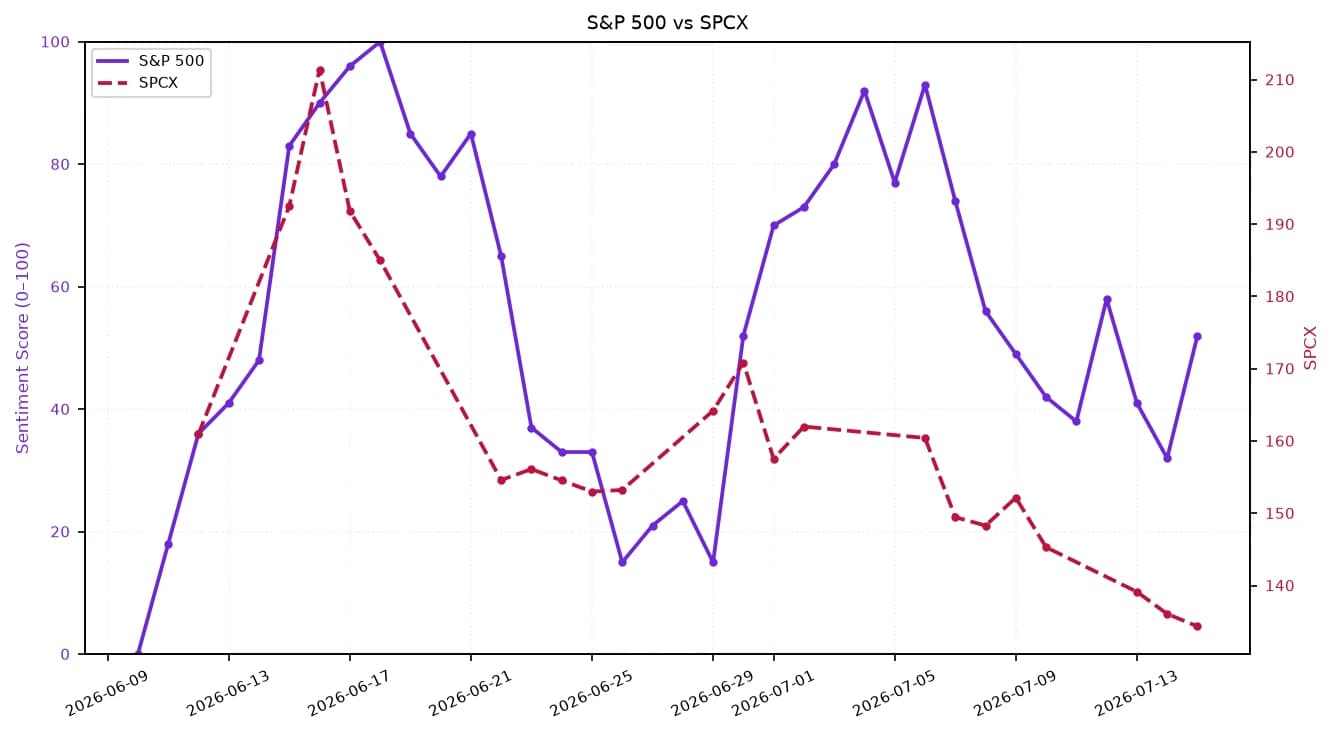
Sentiment IndicatorsⓘProprietary · adalytica.com · September 22, 2026
This is a snapshot — live sentiment, awareness and momentum for 130+ markets update continuously in the dashboard.Open AlphaPulse
Transport leader Ronald García said the current fare would be maintained for 15 days while a technical study is prepared, but added that diesel units would be parked because operating them was “not sustainable” under the new fuel price. Mayor Manuel Saavedra separately said the fare would stay at 3 bolivianos while the city contracts a cost study to determine a final rate.
The standoff came after President Rodrigo Paz approved Decree 5716, which liberalizes diesel prices to international benchmarks, starting at 17.95 bolivianos. That shift is economically significant because transport is a core input for food distribution, retail logistics and daily labor mobility; once fuel subsidies are reduced, the cost increase tends to work its way through the wider economy.
For investors, the immediate relevance is broader than Bolivia’s fare dispute. It is another example of how subsidy removal can create second-round inflation effects and social friction, especially in sectors with thin margins and high fuel intensity. The episode also highlights the policy risk around transport pricing in emerging markets, where governments often face a narrow choice between protecting consumers and keeping fleets on the road.
The bull case for operators is that a formal fare study could deliver a price reset that restores margins and brings vehicles back into service. The bear case is that any sharp fare increase may face political resistance, leaving fewer buses on the street and pushing more commuters into informal or more expensive alternatives.
The next test will be whether the technical review is completed within the expected two weeks and whether national authorities offer any offsetting measures. If not, Santa Cruz could become an early stress point for a wider debate over energy subsidies, urban transport affordability and the pace of pass-through from fuel prices to consumers.
| Entity | Gains | Losses |
|---|---|---|
| Urban transport operators | ▲Higher fare relief | ▼Fuel-cost squeeze |
| Commuters in Santa Cruz | ▲Potential service clarity | ▼Longer waits, higher costs |
| Bolivian government | ▲Fiscal subsidy reduction | ▼Social and political pressure |
| Fuel suppliers/importers | ▲Market-linked pricing | ▼Subsidized demand protection |