The Federal Reserve’s first rate increase in three years is turning the restaurant sector into a live test of which chains can keep traffic growing without giving up margins.
Restaurants face Fed hike, traffic and margin test
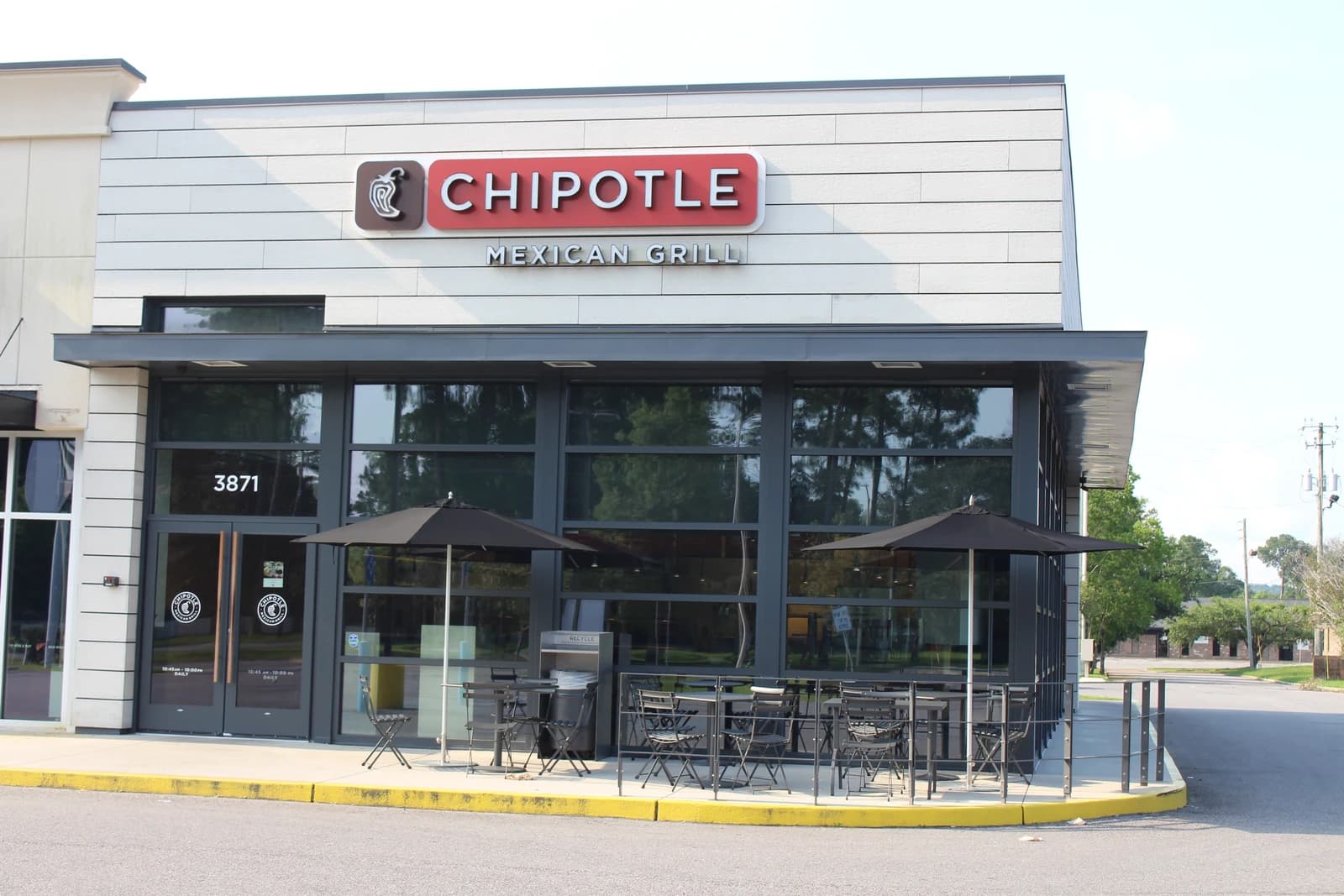
The 25-basis-point hike comes as households are already pulling back on discretionary spending and dining traffic has been weakening for more than a year. The National Restaurant Association said customer traffic fell in July 2026, extending a decline that has now run for 17 of the last 18 months. That matters because higher rates usually do not send diners home overnight, but they do squeeze budgets, raise financing costs and force investors to distinguish between concepts that can trade down with the consumer and those that depend on higher-income guests or debt-funded expansion.
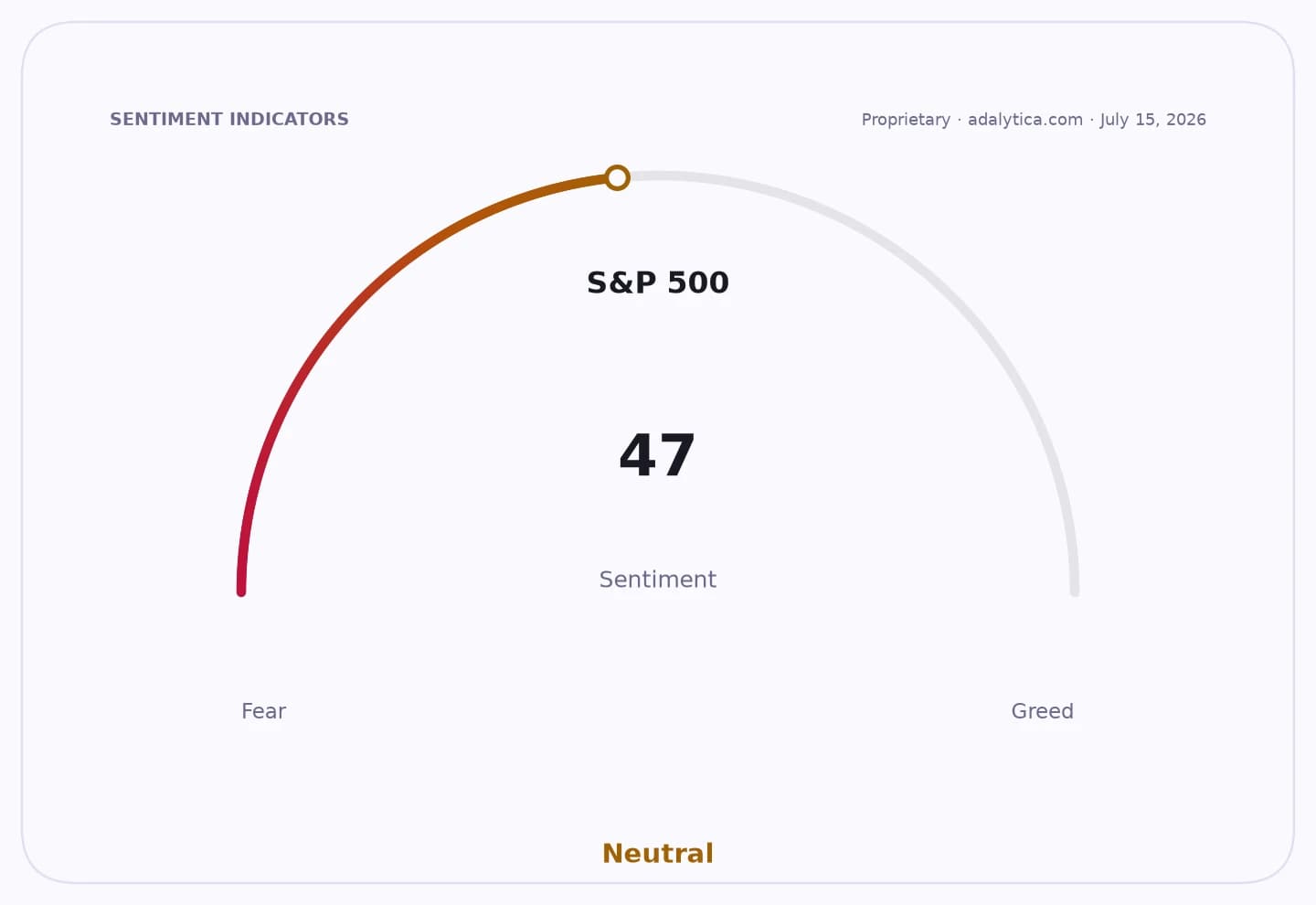
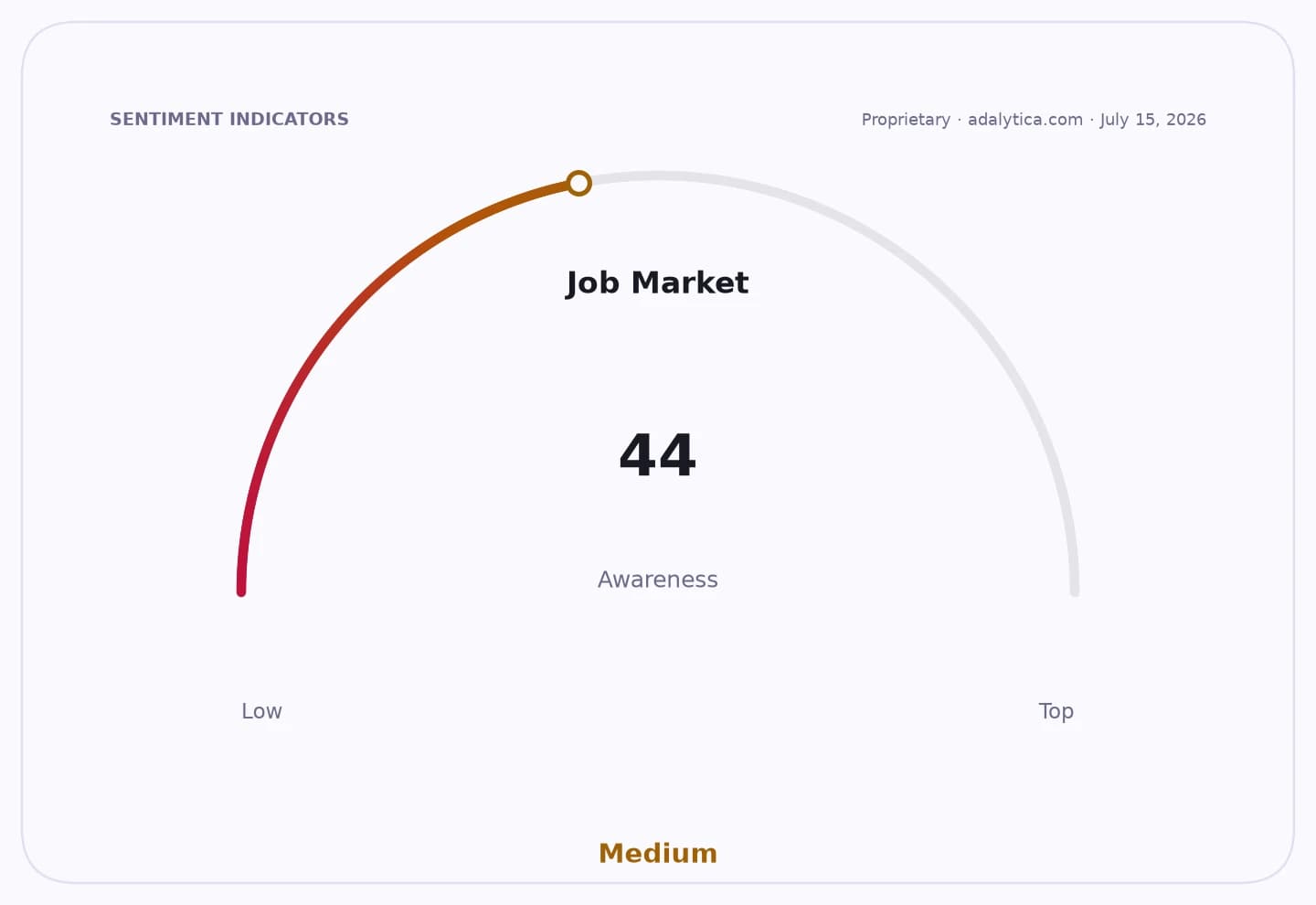
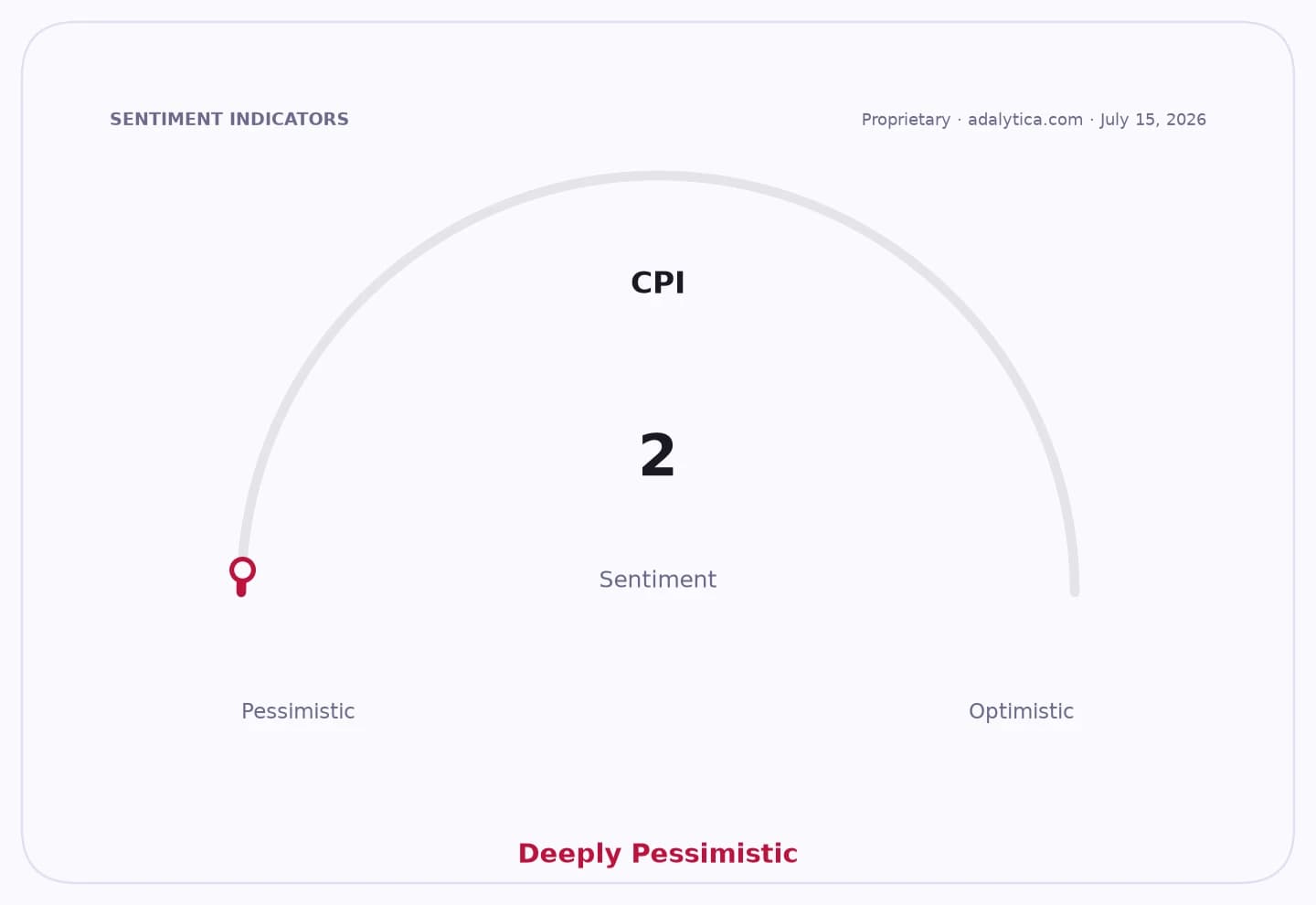
Sentiment IndicatorsⓘProprietary · adalytica.com · September 19, 2026
This is a snapshot — live sentiment, awareness and momentum for 130+ markets update continuously in the dashboard.Open AlphaPulse
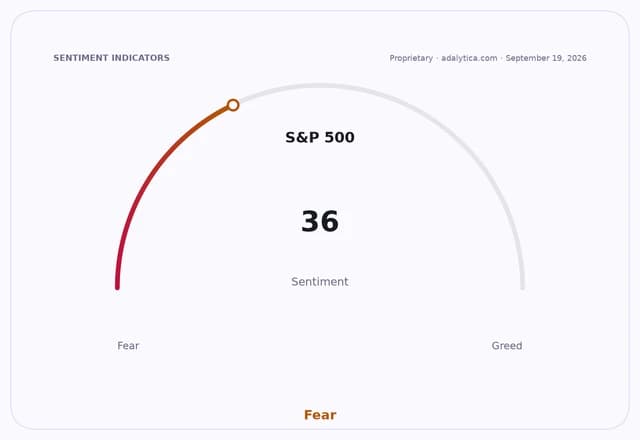
The broader macro backdrop is not helping. The fed funds rate sits around 3.63%, up from the near-zero era, while the 10-year Treasury yield is close to 4.94%, lifting the hurdle rate across equities and making leveraged operators more expensive to run. Inflation is still running hot enough to keep pricing pressure in the system, with the consumer price index above 334, leaving restaurants caught between cost inflation and customers becoming more price sensitive. In Adalytica’s signals, confidence in the Fed’s 2% inflation target sits in fear territory, while long-term inflation expectations are in extreme fear, underscoring how unsettled the policy backdrop remains.
For restaurant investors, the immediate question is not whether consumers stop eating out, but where they eat. McDonald’s and Yum! Brands are better positioned than chains that rely on premium check sizes because value menus, smaller ticket items and global diversification can help preserve traffic when consumers trade down. Restaurant Brands International and Yum, which have leaned on lower-priced offerings, are also better placed to defend unit volumes if rate pressure and tariff fears keep households cautious. The market appears to agree that pricing architecture matters: investors are rewarding chains that can widen value perceptions without triggering a collapse in margin mix.
FEDFUNDS vs CPIAUCSL — macro contextadalytica.com
Explore this data interactively — full history, time series and cross-market comparisons.Open AlphaPulse
Starbucks is a different kind of stress test. Its shares have fallen to about $95.83 from above $105 in late August, and the technical picture has weakened sharply, with the stock below both the 50-day and 200-day moving averages and its RSI in deeply oversold territory. That reflects more than macro pressure: Starbucks has to prove it can reaccelerate traffic in a more selective consumer environment while defending premium positioning. A chain that sits between value and premium can get squeezed from both sides when diners become more disciplined.
The stronger case in the sector is for operators that can grow visits without sacrificing restaurant-level profitability. The Cheesecake Factory offers the clearest example of that formula, posting comparable sales growth of 5.8% and traffic growth of 2.7% in the second fiscal quarter while lifting restaurant-level margin to a decade-high 20%. Its stock is up 77% this year, showing investors are willing to pay for businesses that convert traffic into earnings rather than buying it with discounting.
The rate hike is also a balance-sheet filter. Franchise-heavy chains that rely on borrowed money to open new stores, remodel locations or fund shareholder returns face a higher cost of capital just as demand softens. By contrast, companies with lower leverage and stronger free cash flow should be better able to self-fund remodels, digital upgrades and menu changes, giving them more strategic flexibility if traffic stays under pressure.
For investors, the Fed move is less a verdict on restaurants than a sorting mechanism. The winners are likely to be the chains that can sell value in a still-inflationary economy, keep customers coming in, and avoid overreliance on debt. The losers are those that need easy credit, premium pricing or a resilient consumer to do the heavy lifting.
| Entity | Gains | Losses |
|---|---|---|
| Value-focused chains | ▲Higher traffic in trade-downs | ▼Premium-only concepts |
| McDonald’s, Yum! Brands, RBI | ▲Stronger relative demand | ▼Higher-priced casual dining |
| Low-debt operators | ▲Lower financing stress | ▼Leveraged franchise systems |
| Consumers | ▲More affordable meal choices | ▼Discretionary dining budgets |