Bharatpur — Former Rajasthan minister B.D. Kalla has warned administrative and police officers that they could face a “reckoning” if power changes hands, escalating a dispute over alleged misuse of official machinery in the state’s civic body leadership polls.
Rajasthan civic body polls draw bias allegations
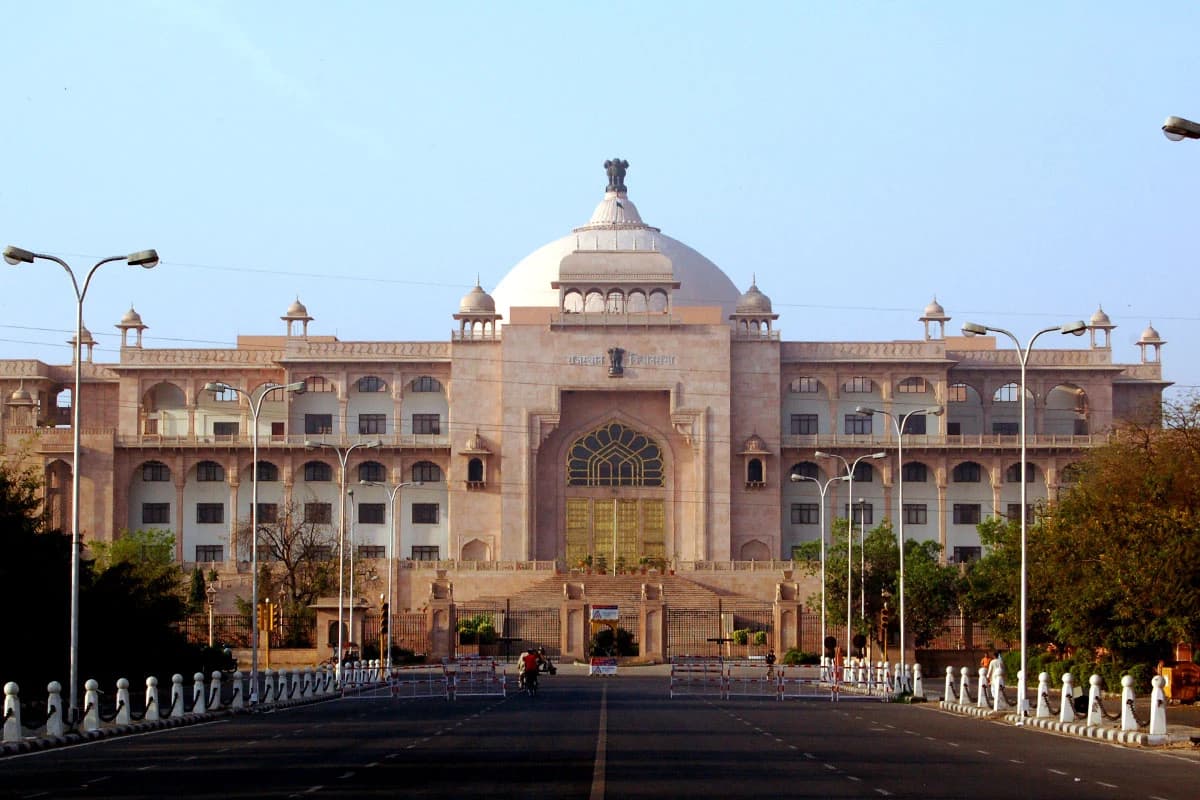
The warning lands at a sensitive moment for Rajasthan, where municipal chairperson and mayoral contests are still being settled after local-body elections. For investors and businesses, the immediate economic impact is limited, but the allegations underscore a broader risk in India’s politically charged local governance process: administrative uncertainty can slow decision-making on permits, enforcement, land use and municipal contracts.
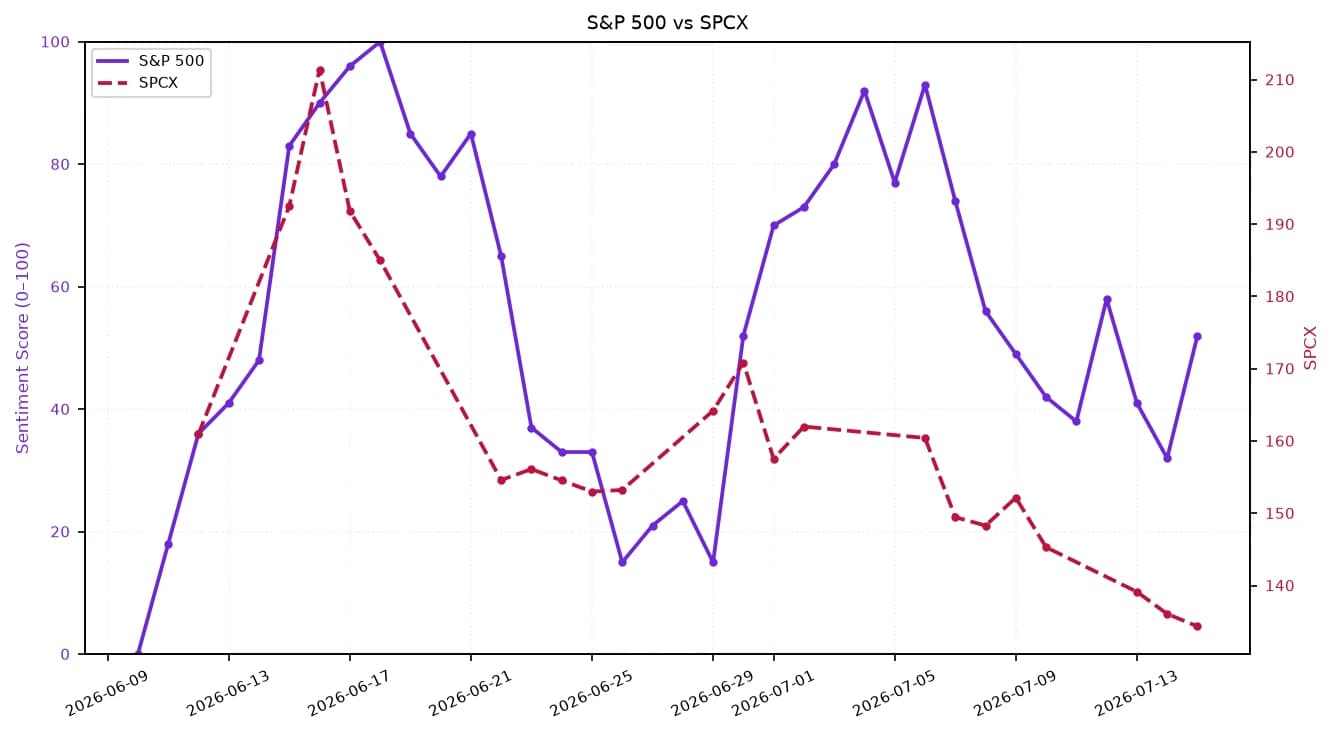
Sentiment IndicatorsⓘProprietary · adalytica.com · September 22, 2026
This is a snapshot — live sentiment, awareness and momentum for 130+ markets update continuously in the dashboard.Open AlphaPulse
Kalla said some officers were using their positions to pressure Congress-backed councillors during the election process and that complaints had been made to the State Election Commission. He also alleged that police visited a hotel in Jaisalmer where newly elected Congress councillors from Bikaner were staying, without a search warrant, in what he described as an intrusion into their privacy.
The episode highlights how municipal power struggles in Rajasthan have become entwined with accusations of state machinery being used for political advantage. Congress and the BJP have both reportedly placed councillors in separate locations in an effort to keep their numbers intact ahead of votes for civic body heads, a sign of how tight control over local representatives can determine who captures city governments.
Kalla also pointed to a final notice issued by the Bikaner Development Authority to the Hotel Shaurya 3.0, owned by Congress-linked councillor Manoj Bishnoi, arguing it was part of pressure ahead of the elections. The administration has said the notice concerns operating and document-related objections, but the timing has added to allegations that regulatory action is being used as leverage.
For investors, municipal stability matters because local bodies control approvals, utilities, property regulation and parts of the urban infrastructure pipeline that underpin real-estate, hospitality and small-business activity. Any perception that enforcement is being politicized can raise execution risk for companies dealing with city-level permissions, even if the current dispute remains a political one.
The immediate test is whether the State Election Commission moves on the complaints and whether the mayoral and chairperson votes proceed without further escalation. The larger risk is that a deepening political confrontation could keep Rajasthan’s civic administration in limbo just as parties gear up for the next round of local and state-level battles.
| Entity | Gains | Losses |
|---|---|---|
| Congress | ▲Political leverage if allegations stick | ▼Exposure if officers’ claims are dismissed |
| BJP | ▲Advantage if it can hold municipal positions | ▼Reputational hit from bias allegations |
| Rajasthan officers | ▲Short-term control of process | ▼Scrutiny and possible future action |
| Municipal businesses | ▲Clearer rules if commission intervenes | ▼Delays from politicized enforcement |