Student-loan borrowers seeking Public Service Loan Forgiveness are getting stuck in a paperwork gap that can force them to keep paying even after they have made the 120 qualifying payments needed to have their debt wiped away.
PSLF borrowers face payment-count backlog
The delay matters because PSLF is meant to reward government and nonprofit workers with cancellation after 10 years of qualifying payments, but some borrowers who say they already hit that mark still do not see their Federal Student Aid payment counters update. That leaves them choosing between continuing to send in monthly payments they may no longer owe or pausing and risking delinquency flags on their accounts.
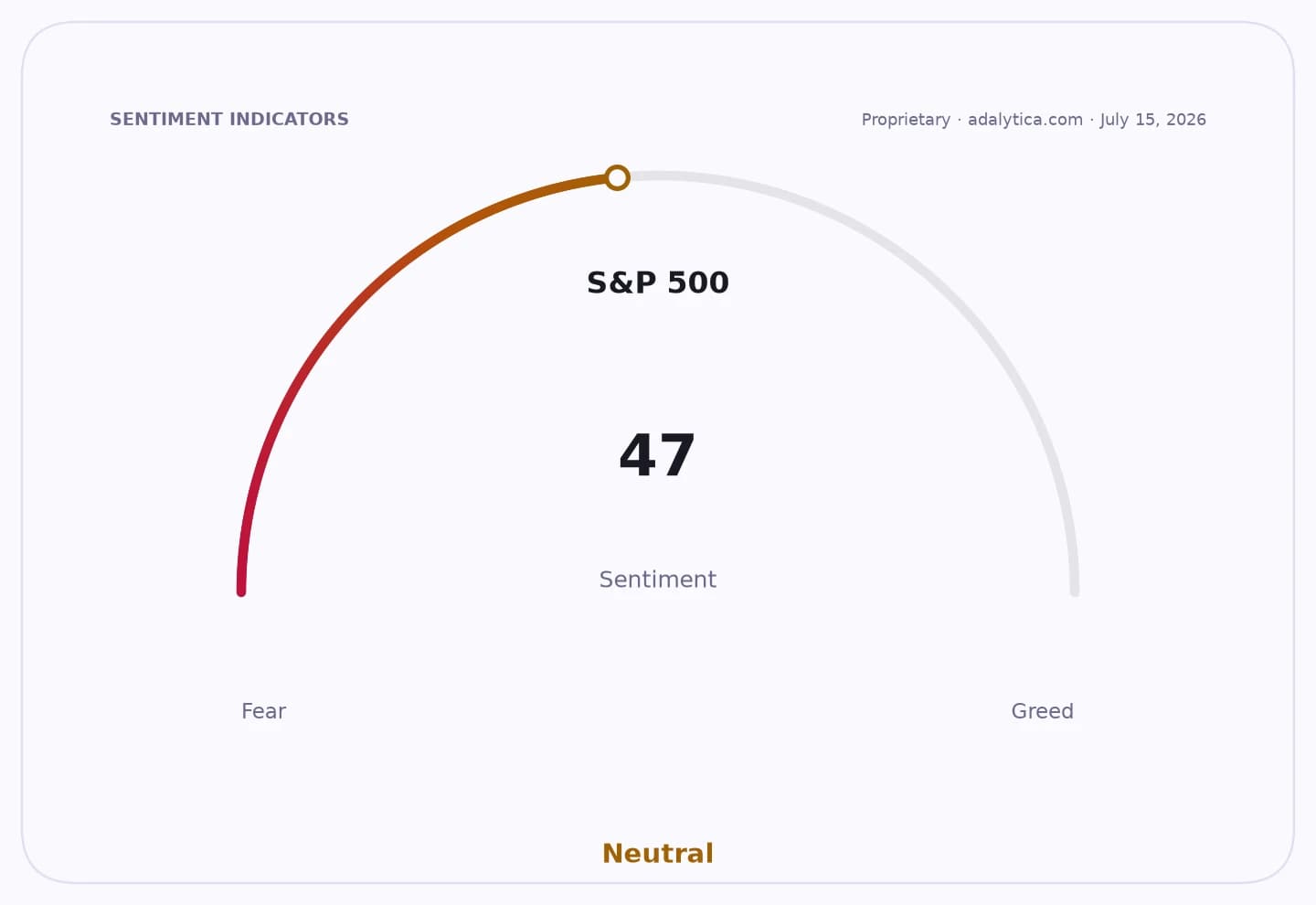
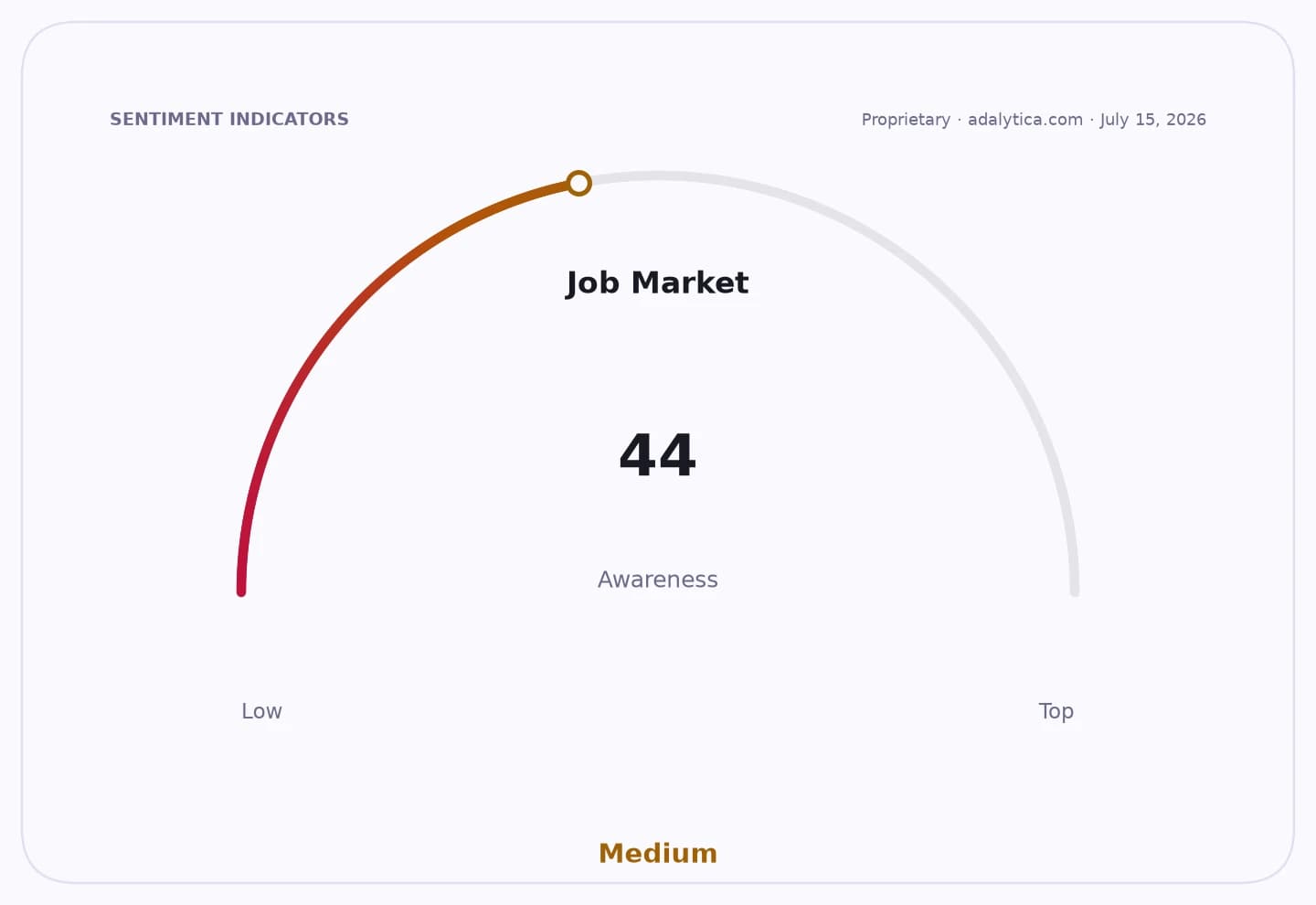
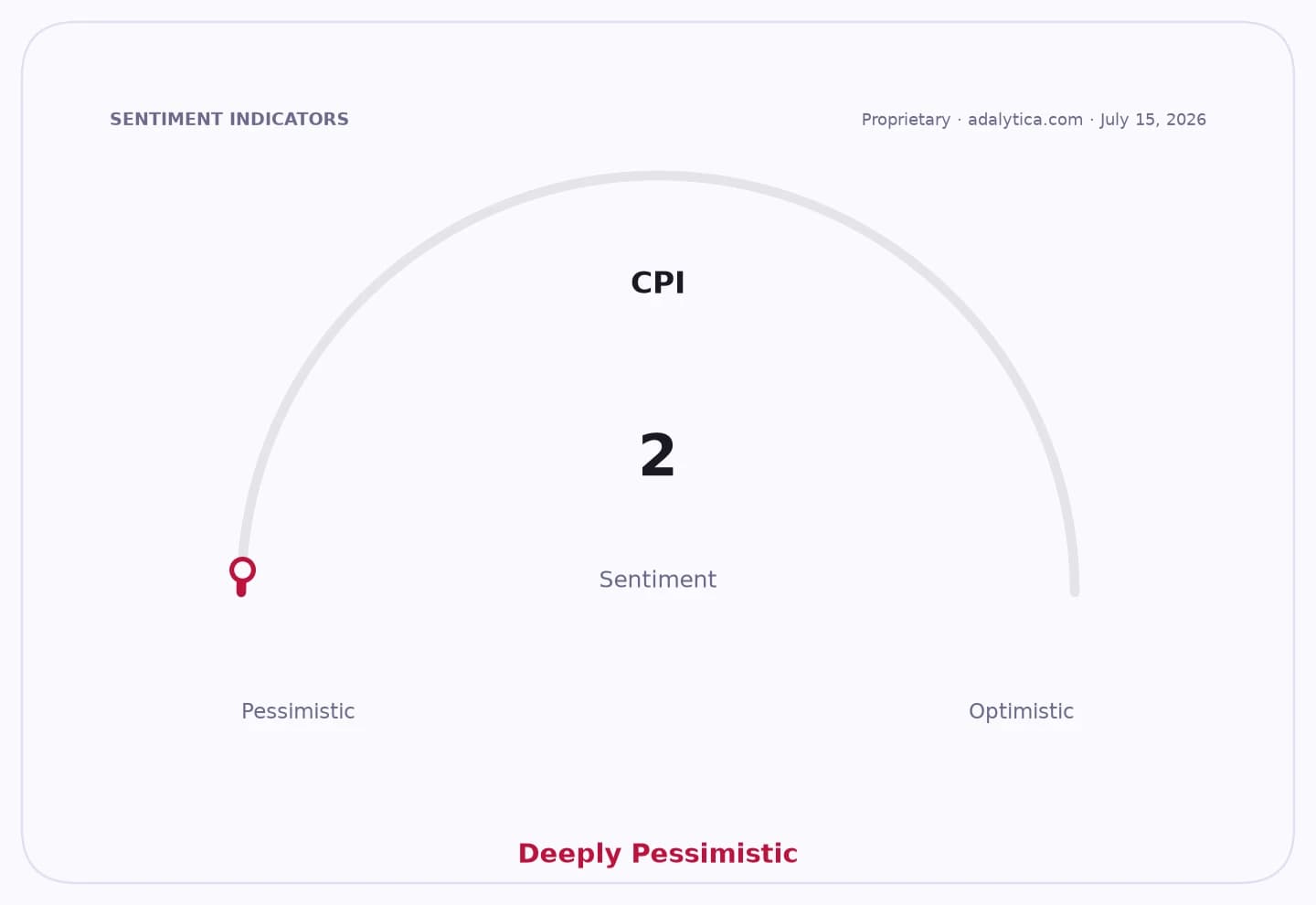
Sentiment IndicatorsⓘProprietary · adalytica.com · September 22, 2026
This is a snapshot — live sentiment, awareness and momentum for 130+ markets update continuously in the dashboard.Open AlphaPulse
The Education Department did not say how quickly the backlog will be resolved, though a spokesperson said the agency “remains committed to ensuring that every qualifying payment is properly credited to a borrower’s account.” For borrowers living paycheck to paycheck, even a short processing lag can disrupt budgets and delay access to relief that is supposed to be automatic once the threshold is reached.
The timing is especially sensitive because the Trump administration has tightened the rules around student-loan repayment and PSLF eligibility. Under the overhaul, borrowers no longer have the 15-day grace period that previously allowed late payments to count toward forgiveness; now payments must be made on or before the due date to qualify.
That makes accurate account servicing more important for millions of borrowers trying to stay on track in a system already under strain. Federal Student Aid guidance says payments still do not need to be consecutive, but the loss of the grace period raises the cost of administrative errors and late postings.
The program is also still tied up in court. The administration tried to narrow PSLF by excluding employers it says do not meet the definition of “public service,” but courts blocked the rule after nonprofits sued. The Education Department appealed in late August, and there are no immediate changes to PSLF while the case moves forward.
For investors, the issue matters less as a direct market mover than as a read-through on student-loan servicing, repayment stress and policy risk for lenders and education-finance companies. Any prolonged dysfunction in forgiveness processing can increase delinquency risk, keep borrowers in repayment longer than expected and prolong uncertainty around the size and timing of federal student-loan balances.
That backdrop helps explain why the sector remains sensitive to Washington’s next move. Borrowers pursuing PSLF now face both slower processing and stricter eligibility rules, and the next court ruling or department fix could determine how quickly relief starts flowing again.
| Entity | Gains | Losses |
|---|---|---|
| PSLF borrowers near forgiveness | ▲Faster crediting, debt relief | ▼Extra payments, delinquency risk |
| Education Department | ▲Control over rollout | ▼Scrutiny over delays |
| Student-loan servicers | ▲Longer repayment flows | ▼More complaints, account errors |
| Nonprofit and government employers | ▲PSLF continues if rule blocked | ▼Uncertainty over eligibility |