Prague remains the clear wage leader in the Czech Republic, with pay for the same job running as much as a third above offers in other regions, according to a new salary survey from Grafton Recruitment and Gi Group.
Prague wages stay highest in Czech Republic survey
That matters because wages are not just a household story in a tight labor market — they are a map of where economic power is concentrated, where firms have to pay up, and where workers have the strongest bargaining position. In Prague, the premium is broad-based, stretching from IT and manufacturing to retail and logistics, while the weakest pay remains in the Karlovy Vary region, where average wages are about 14% below the national average.
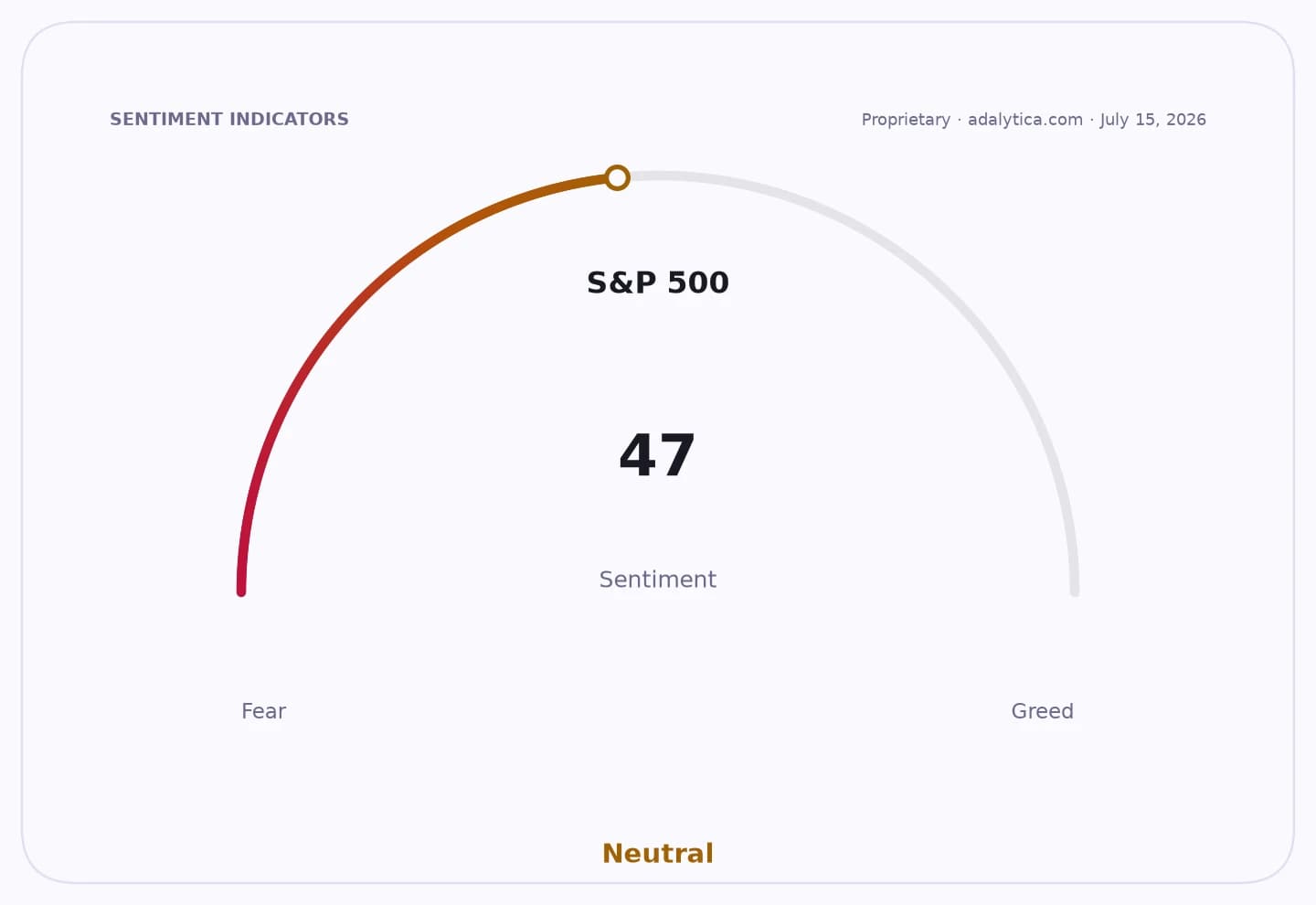
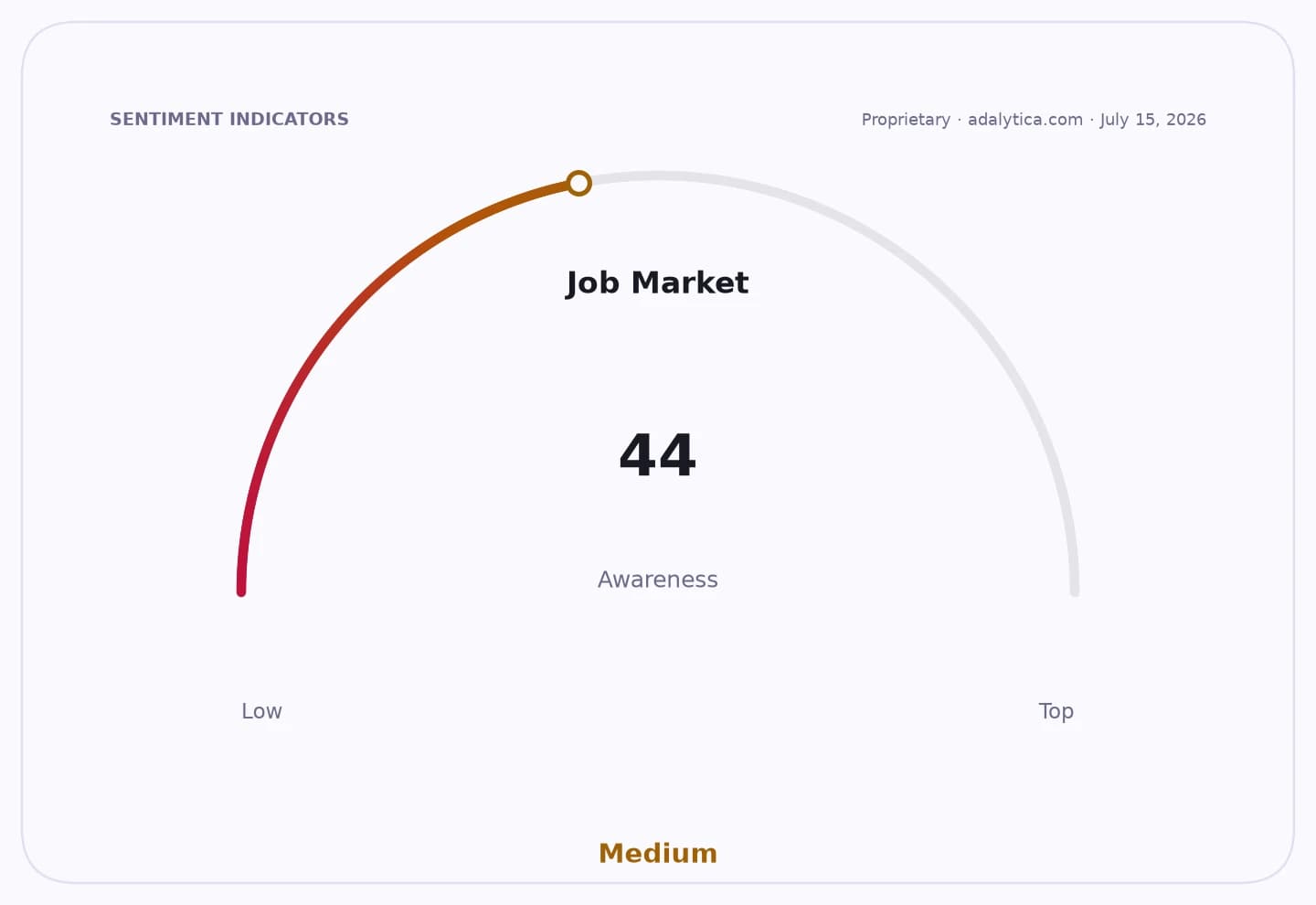
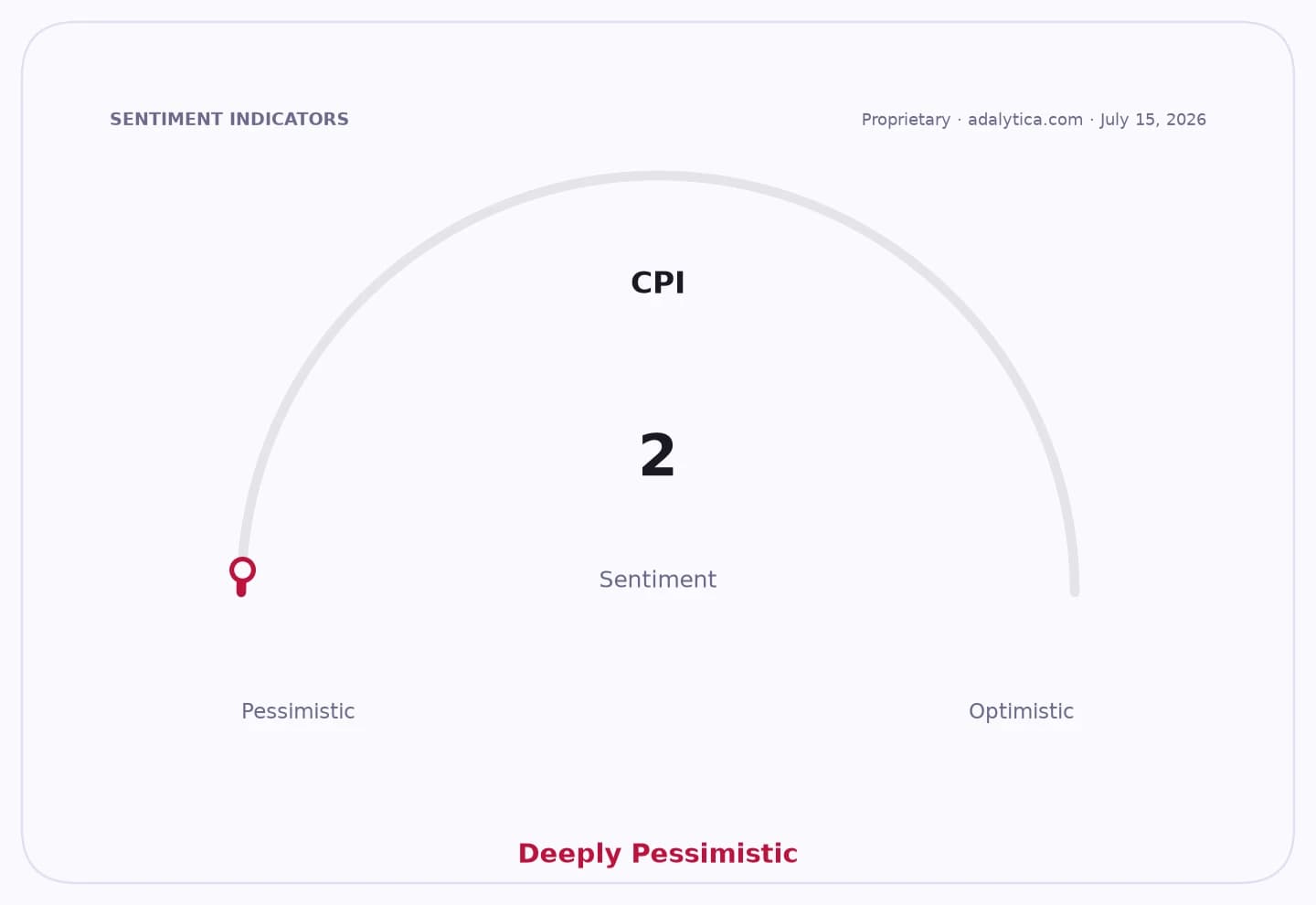
Sentiment IndicatorsⓘProprietary · adalytica.com · September 23, 2026
This is a snapshot — live sentiment, awareness and momentum for 130+ markets update continuously in the dashboard.Open AlphaPulse
For investors, the message is simple: labor remains scarce, expensive and increasingly technology-driven. That supports companies with pricing power and productivity gains, but it squeezes employers that rely on routine work and thin margins. It also reinforces why businesses across the region are spending more on automation, data tools and artificial intelligence — not as a luxury, but as a way to protect profitability.
The survey, based on more than 350 job roles and posted by the staffing firms from second-quarter hiring data, shows how wide the gap can be. An IT infrastructure manager can earn 110,000 to 160,000 crowns a month in Prague versus 90,000 to 100,000 in the Zlín region. Manual testers can take home 60,000 to 90,000 crowns in the capital, compared with 40,000 to 50,000 in South Bohemia and the Vysočina region. Even in traditional jobs, the difference is stark: warehouse workers can earn 38,000 to 45,000 crowns in Prague, but only 30,000 to 35,000 in several poorer regions.
The broader pattern is what makes this story important for long-term investors. A labor market that keeps rewarding skills, flexibility and digital fluency tends to widen the gap between companies that can adapt and those that cannot. Employers are already saying candidates care not just about pay, but also commute times, work-life balance and development opportunities. That means compensation packages are becoming more complex, and the best workers can afford to be selective.
It also explains why younger workers are under more pressure than they used to be. Fresh graduates are entering the market with higher wage expectations, but employers want stronger qualifications, language skills and experience with digital tools, including AI. At the same time, job ads tied to AI have risen sharply this year, underscoring how fast the labor market is shifting away from purely routine roles.
The upshot is that Prague’s wage premium is not a temporary quirk. It reflects a capital city that concentrates higher-value work, deeper labor demand and greater living costs. For workers, that makes Prague the obvious destination if maximizing salary is the goal. For companies and investors, it is a reminder that the next decade of returns will favor businesses that can lift productivity fast enough to keep up with wage growth. Worth watching.
| Entity | Gains | Losses |
|---|---|---|
| Prague workers | ▲Higher pay | ▼Higher living costs |
| Employers with automation and AI | ▲Better productivity | ▼Higher wage pressure |
| Workers in lower-wage regions | ▲Lower relocation pressure | ▼Smaller pay offers |
| Routine-role employers | ▲Lower labor flexibility | ▼Harder hiring and retention |