Przemysław Czarnek has ruled out Poland leaving the European Union, but the former education minister’s promise to go to “war” with “leftist Brussels” underscores a harder line that could intensify clashes with EU institutions if his Law and Justice party returns to power.
Poland PiS Rules Out EU Exit, Vows Brussels Fight
That matters because the biggest economic risk for Poland is no longer outright exit, but a prolonged stand-off with Brussels over rule-of-law enforcement, regulatory compliance and EU funding. For investors, the distinction is crucial: a government that stays in the bloc but fights its way through the courts and institutions can still slow investment, delay disbursements and add a political risk premium to Polish assets.
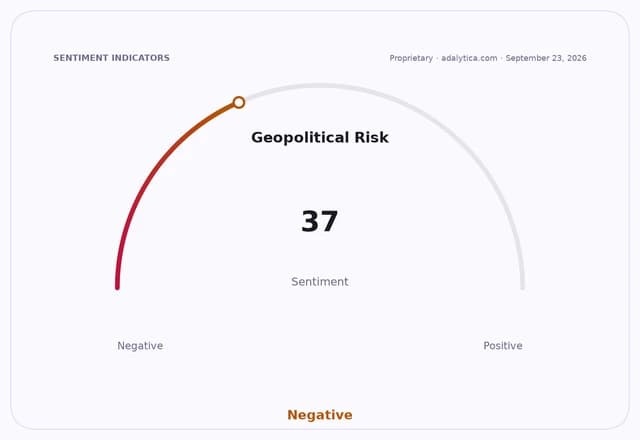
Czarnek said on Saturday that leaving the EU is “against the interests of the Polish state,” seeking to shut down speculation about a PiS-backed Polexit. But he paired that reassurance with a pledge to actively block EU rules he says threaten Polish agriculture and the economy, arguing that “war with Brussels” does not mean leaving the union. The message is aimed at PiS voters who want confrontation without the costs of withdrawal, a line that keeps the party inside the European framework while preserving its sovereignty-first identity.
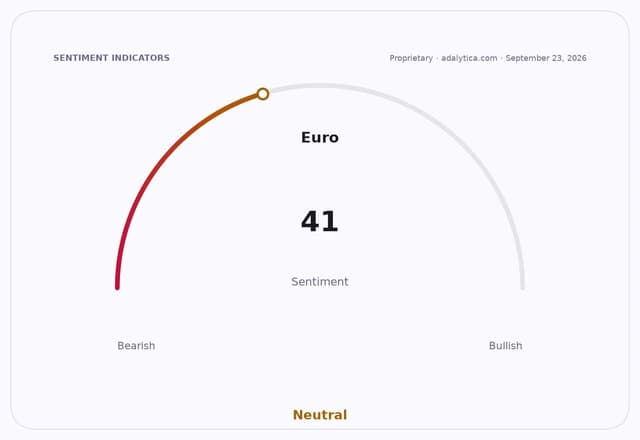
For markets, that is still a meaningful signal. Poland remains tied to the EU through trade, capital flows and access to recovery and cohesion funds, and any renewed confrontation could weigh on the zloty, local debt and listed companies exposed to domestic investment cycles. The tension is especially relevant at a time when broader European cohesion is under pressure, with disputes over sanctions, enlargement and fiscal priorities already straining Brussels’ ability to keep member states aligned.
Czarnek’s remarks also exposed the pressure on PiS itself. He acknowledged the recent split with a Morawiecki-aligned breakaway group of more than 40 lawmakers, admitting the party would have stronger polling and election prospects if it were still united. The breakaway weakens PiS’s path back to government and raises the odds that any future coalition on the right would be cobbled together after the vote rather than built in advance.
The party is trying to offset that fracture by shifting the focus to economics. Czarnek confirmed PiS will hold an economic convention on Oct. 3, 2026 to unveil new proposals to boost investment, a sign the party wants to move beyond internal feuding and present a governing agenda. For investors, the policy pitch will matter less for its slogans than for whether it offers credible ways to lift capital spending without reigniting tensions with the EU over fiscal discipline, judicial independence or state intervention.
The central takeaway is that PiS is trying to draw a line between exit and confrontation: stay in the EU, but resist it aggressively. That may be politically effective at home, but it leaves Poland facing a familiar investment problem — how to keep the benefits of EU membership while managing recurring conflict with the bloc that funds and anchors much of the country’s economic model.
| Entity | Gains | Losses |
|---|---|---|
| PiS hardliners | ▲Mobilize sovereignty voters | ▼Risk deeper EU confrontation |
| Pro-EU investors | ▲Reduced Polexit risk | ▼Still face policy uncertainty |
| Brussels / EU institutions | ▲Polexit fear eases | ▼Compliance dispute remains |
| Polish economy | ▲EU membership preserved | ▼Funding delays and risk premium |