Poland has formally joined a European anti-missile coalition, a move that tightens the continent’s air-defence architecture and underscores how Russia’s war in Ukraine and uncertainty over U.S. policy are pushing Europe to spend more, cooperate faster and buy more weapons.
Poland Joins European Anti-Missile Coalition
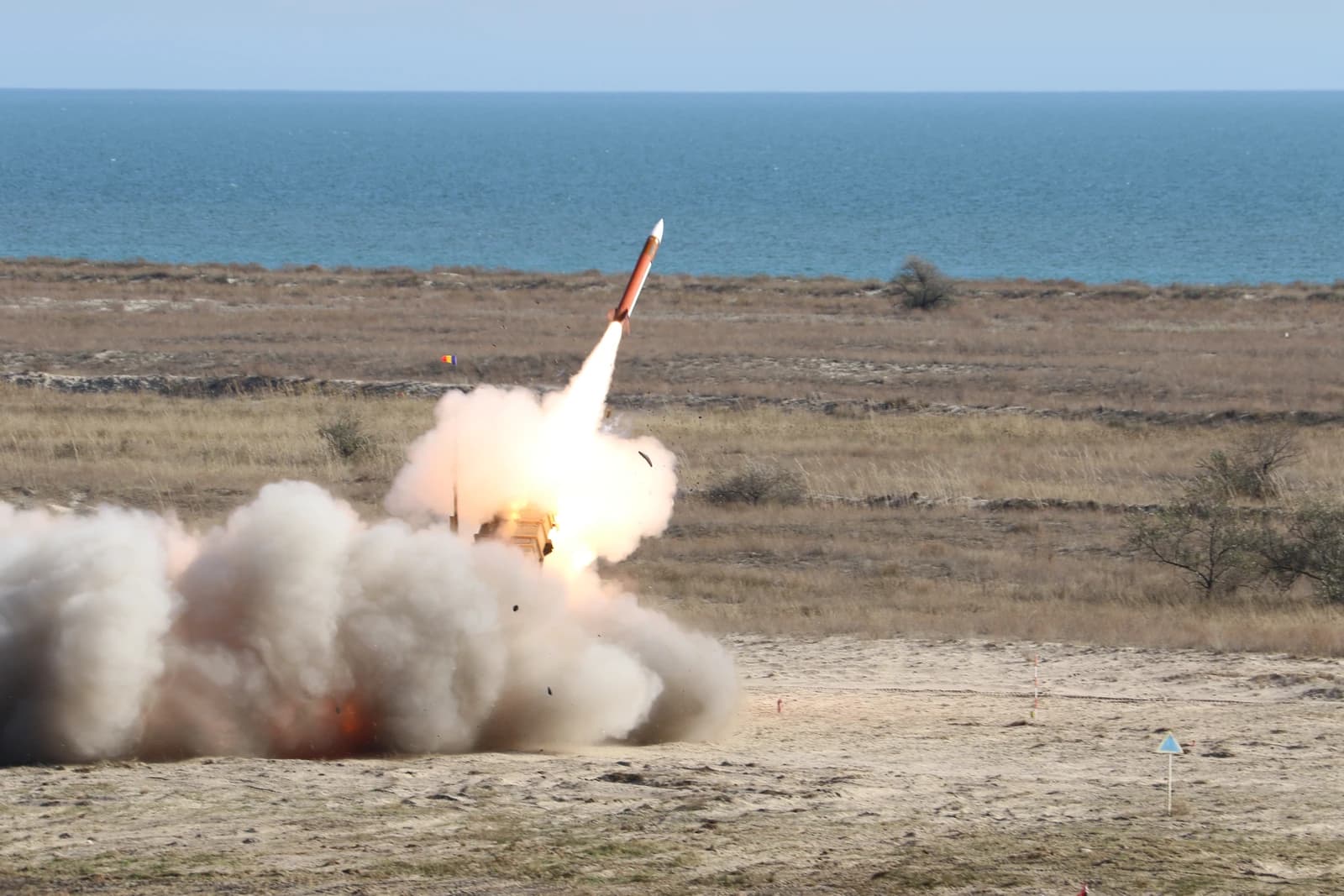
Prime Minister Donald Tusk said the coalition would bring together governments and companies to build defences against ballistic missiles, with Poland now part of a project that already includes Ukraine and nine other countries: France, Britain, Germany, Italy, Spain, the Netherlands, Norway, Denmark and Sweden. The initiative was launched in July at a Paris summit of the “Coalition of the Willing.”
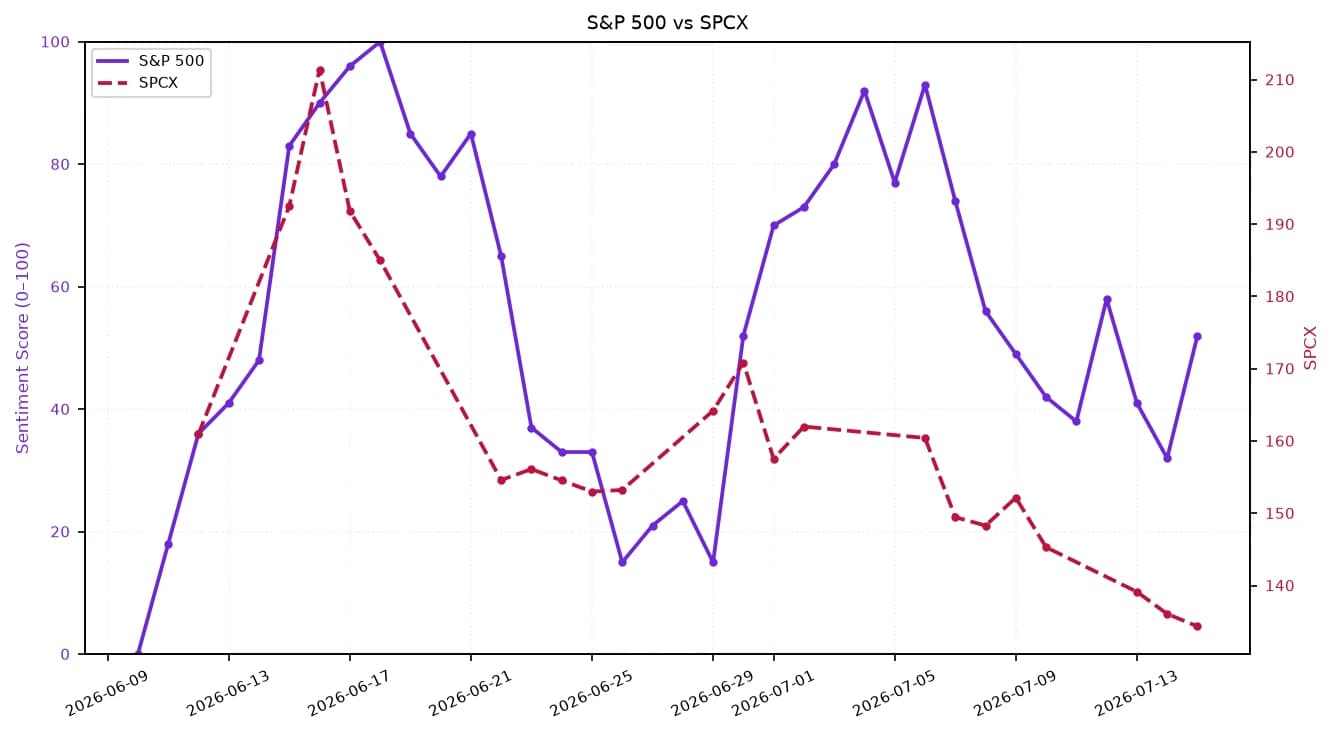
Sentiment IndicatorsⓘProprietary · adalytica.com · September 21, 2026
This is a snapshot — live sentiment, awareness and momentum for 130+ markets update continuously in the dashboard.Open AlphaPulse
For Europe, the significance is strategic and economic. Missile defence is one of the most expensive and technically demanding parts of rearmament, requiring layered systems, early-warning networks, sensors, interceptors and command-and-control integration. That makes it a long-cycle procurement story rather than a one-off diplomatic gesture, and it points to a larger reallocation of public spending toward defence across the region.
Poland’s participation also matters because Warsaw sits on NATO’s eastern flank and has been among the bloc’s most aggressive military spenders since Russia’s invasion of Ukraine. Its earlier refusal to join had sparked domestic debate, Tusk said, but the reversal now brings one of Europe’s biggest defence buyers into a project that could shape future procurement decisions and industrial partnerships. In practical terms, that can benefit contractors able to supply integrated air and missile-defence systems, while intensifying competition for limited European defence budgets.
The move comes as European governments reassess their security dependence on the U.S. after Donald Trump’s return to the White House. That backdrop is accelerating a broader European rearmament cycle, with countries seeking more indigenous capability and closer coordination among suppliers. For investors, that keeps the focus on missile and air-defence names such as Lockheed Martin, RTX and Northrop Grumman, alongside European primes that could win work through joint programmes, technology transfers and domestic production.
The market reaction in defence shares has been driven less by headlines than by the expectation of sustained order flow, and the latest development reinforces that thesis. Lockheed Martin, RTX and Northrop all remain positioned to benefit from rising missile-defence demand, though their recent price action has also shown how quickly defence stocks can pull back when valuations get ahead of near-term execution. In other words, the policy direction is constructive, but the timing of contract awards and delivery schedules will matter for earnings.
Adalytica’s Global Stability Sentiment gauge currently sits at 59, neutral, while its Europe-related trade signals show elevated fear, reflecting the market’s sensitivity to security developments. Poland’s entry into the coalition suggests those concerns are translating into policy, not just rhetoric.
For investors, the key question now is whether the coalition becomes a durable procurement platform or remains a diplomatic umbrella. If member states move beyond declarations toward pooled orders, shared specifications and industrial co-production, the benefit would extend to defence suppliers across Europe and the U.S. If they do not, the headline still matters as a sign that Europe’s defence spending supercycle is widening, but the commercial payoff would be slower and more uneven.
| Entity | Gains | Losses |
|---|---|---|
| Poland | ▲stronger air defence role | ▼higher defence spending burden |
| European defence contractors | ▲larger missile-defence demand | ▼tougher competition for contracts |
| Russia | ▲none | ▼wider NATO-style deterrence |
| U.S. missile makers | ▲more export and order potential | ▼less European reliance on Washington |