Poland is moving from Europe’s eastern edge toward its strategic center, and investors should care because that shift is being powered by a bigger economy, higher defense spending and a geopolitical role that is becoming much harder for Brussels to ignore.
Poland’s growing role in EU power and defense
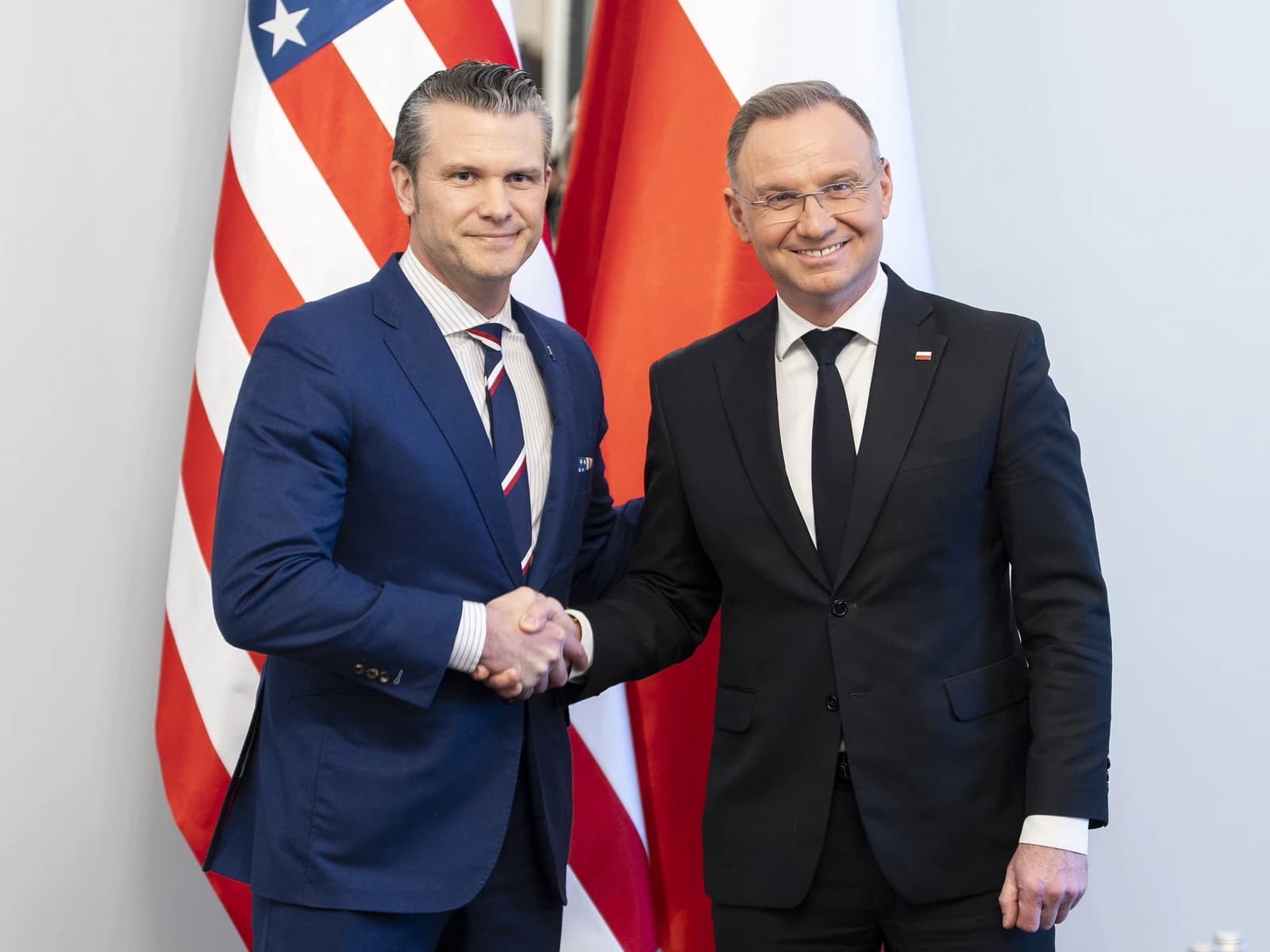
That is the core message from a new analysis highlighted by Diplomat in Spain, which argues Poland could join Germany, France and Italy as one of the European Union’s four dominant powers within the next decade if it keeps growing and continues building military strength. The argument is not just political flourish. Poland has spent two decades narrowing the gap with Western Europe, and the latest commentary says the country now has enough economic weight to influence the balance of power across the bloc.
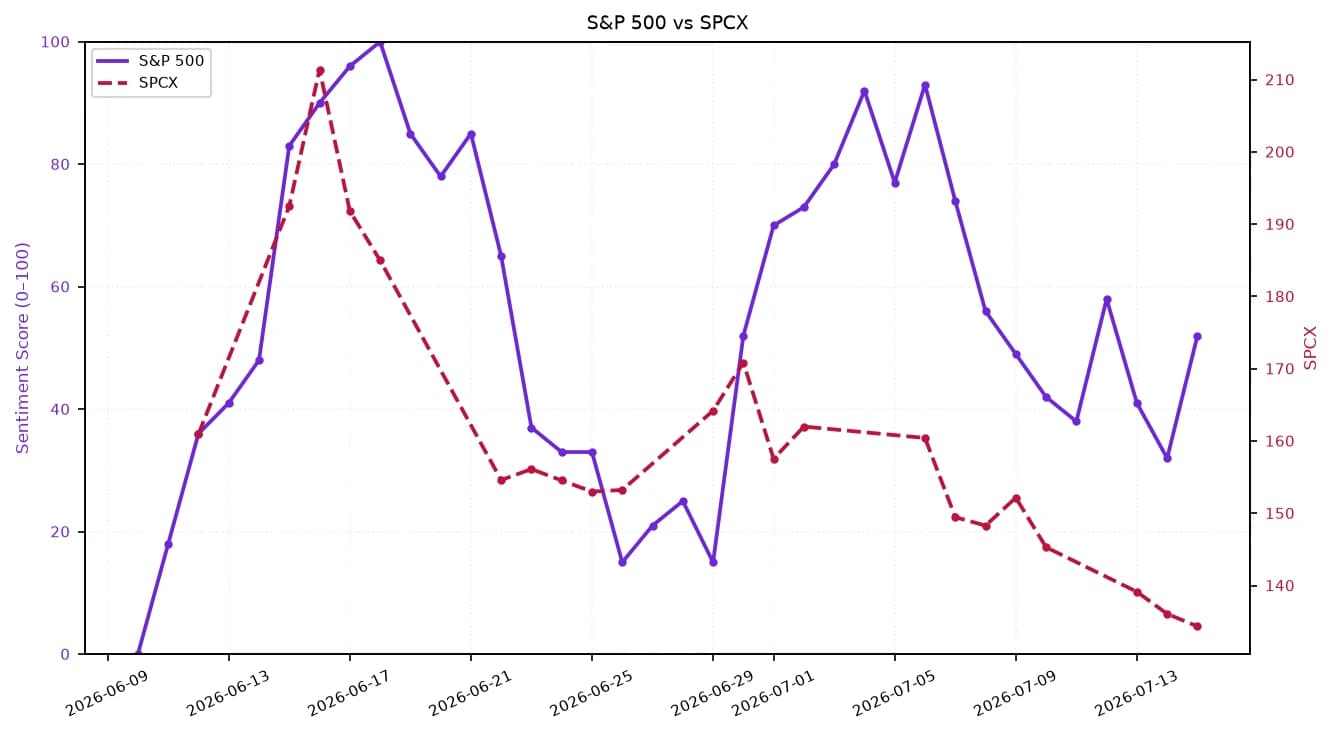
Sentiment IndicatorsⓘProprietary · adalytica.com · September 22, 2026
This is a snapshot — live sentiment, awareness and momentum for 130+ markets update continuously in the dashboard.Open AlphaPulse
The war in Ukraine is the clearest reason why. Russia’s invasion has pushed NATO’s eastern flank to the front of Europe’s security agenda, turning Poland into a logistical hub for Western support to Kyiv and a key state in any discussion of continental defense. Diplomat in Spain says the conflict has “multiplied” Poland’s strategic importance, while also forcing Warsaw into one of Europe’s largest military modernization efforts. In plain terms, the continent’s security problem has given Poland a bigger seat at the table.
That matters economically because security and growth are increasingly linked in Europe. A country that sits on supply routes, hosts refugees, absorbs defense investment and builds out transport and industrial capacity can accumulate influence quickly. Poland is also thinking that way. The analysis says Warsaw no longer wants only to participate in European decision-making; it wants to help shape it. That mindset, if sustained, can support infrastructure spending, industrial policy and a deeper domestic market over time.
For investors, the implication is simple: Poland is no longer just an emerging-market story inside the EU. It is becoming a structural beneficiary of Europe’s eastward strategic shift. The country’s economy is still smaller than Germany’s or France’s, but it has been strong enough to affect the region’s balance of power. Over the last two decades, Poland has grown at roughly three times the EU average, according to the provided context, and that kind of compounding is what changes investor narratives over years, not quarters.
There are still real constraints. Poland remains outside the eurozone, which limits integration with the monetary core of the EU. It also faces domestic polarization, rule-of-law disputes, demographic decline and the burden of high defense outlays. Moody’s recent downgrade of Poland’s credit rating is a reminder that fast-growing economies can still stumble if fiscal discipline slips. Those risks matter because they can affect borrowing costs, capital flows and the country’s ability to keep funding defense and infrastructure at scale.
Even so, the long-term story is hard to dismiss. The most important change is not a single data point or market move, but the direction of travel: Europe’s center of gravity is shifting east because that is where the main security threat now sits, and Poland is positioned in the middle of that new map. For long-term investors, that makes Poland worth watching as a geopolitical winner with real economic upside, while also deserving of respect as a market that will need careful fiscal management to keep the climb going.
| Entity | Gains | Losses |
|---|---|---|
| Poland | ▲Bigger EU influence | ▼Remains outside euro core |
| Germany, France, Italy | ▲Stability from stronger eastern flank | ▼Relative share of EU power |
| NATO / Ukraine supporters | ▲Better logistics and defense hub | ▼Less dependence on weaker routes |
| Bondholders / fiscal hawks | ▲Stronger growth story if managed well | ▼Higher risk if spending and deficits widen |