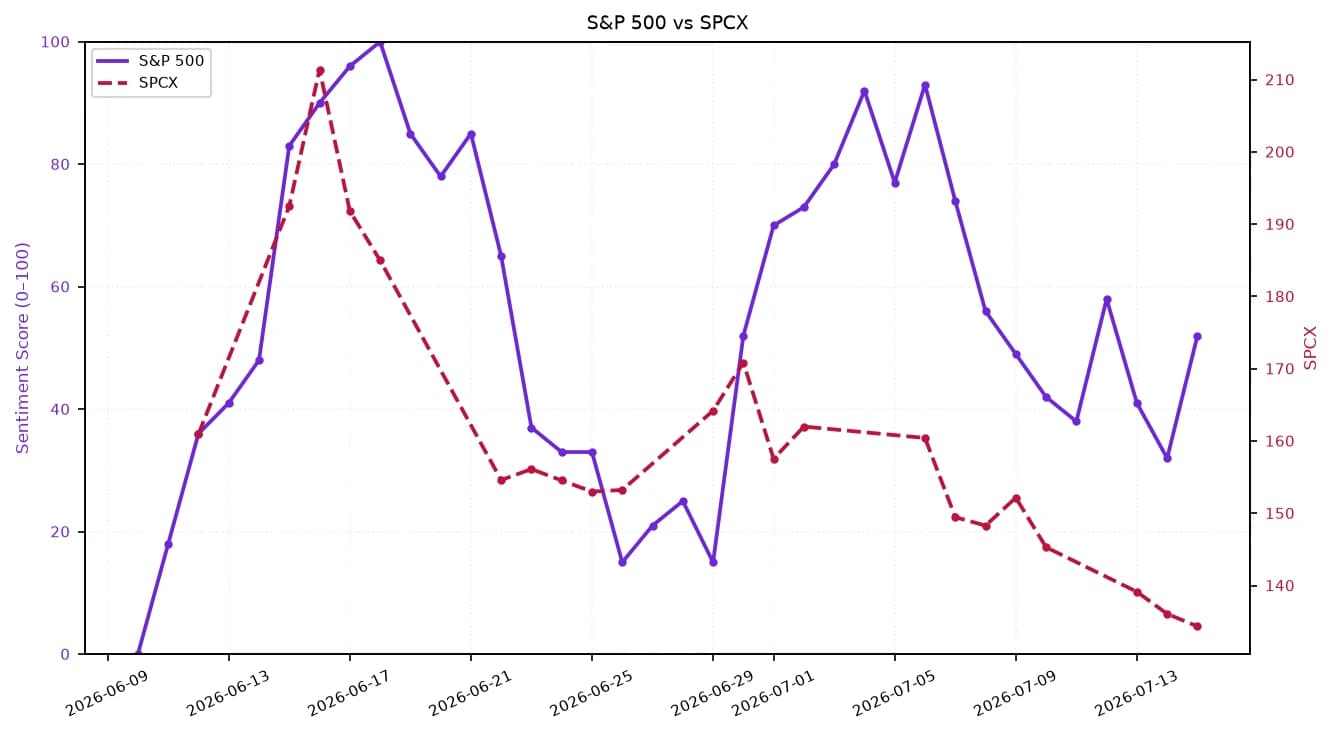
Diesel prices in Poland have hit a historic PLN 9 a litre, turning fuel into the clearest near-term threat to inflation and a fresh headache for investors watching the National Bank of Poland’s next move.
Poland Diesel Prices Hit PLN 9 a Litre

The jump matters because it is not just a sticker shock for motorists and hauliers. Diesel is a core input across transport, agriculture and industry, so record retail prices feed directly into logistics costs and, with a lag, into food and manufactured-goods pricing. That makes September inflation likely to come in higher than August, when consumer prices already posted their fastest pace in a year and remained above 3%, well above the NBP’s 2.5% target.
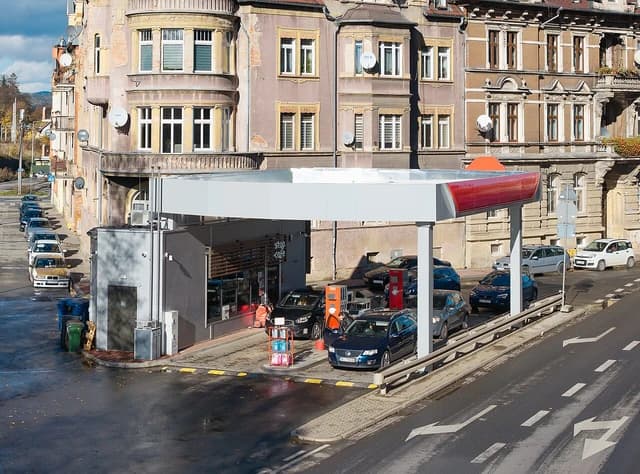
Sentiment IndicatorsⓘProprietary · adalytica.com · September 21, 2026
This is a snapshot — live sentiment, awareness and momentum for 130+ markets update continuously in the dashboard.Open AlphaPulse
The pressure is no longer confined to fuel. August core inflation came in slightly above expectations, suggesting underlying price gains are broadening beyond energy. In other words, Poland is moving from an imported energy shock toward a more persistent domestic inflation problem, which is the scenario central bankers worry about most. That helps explain why Polish 10-year government bond yields have risen sharply again, reaching their highest level since March 2023, partly in response to the draft 2027 budget and partly to the global move higher in yields.
For investors, the implications are twofold. First, a longer period of elevated inflation increases the risk that the NBP is forced to keep policy tighter for longer, or even resume rate increases if price pressures spread further through the economy. Second, higher yields raise the government’s borrowing costs and can weigh on valuations across rate-sensitive assets, from bonds to domestic equities. The zloty has also become harder to read: Adalytica’s trade signals show sentiment in fear territory even as awareness remains elevated, reflecting a market alert to inflation risks but not yet a full-blown panic.
The macro backdrop is not helping. Global farm prices rose again in August, with the FAO index at nearly four-year highs, reducing any prospect that food inflation will stay benign in Poland. That matters because fuel and food together shape household expectations, and those expectations are already drifting higher, while consumer confidence remains subdued. When households start to expect higher inflation, wage demands tend to follow, making it harder to bring prices back under control without tighter policy.
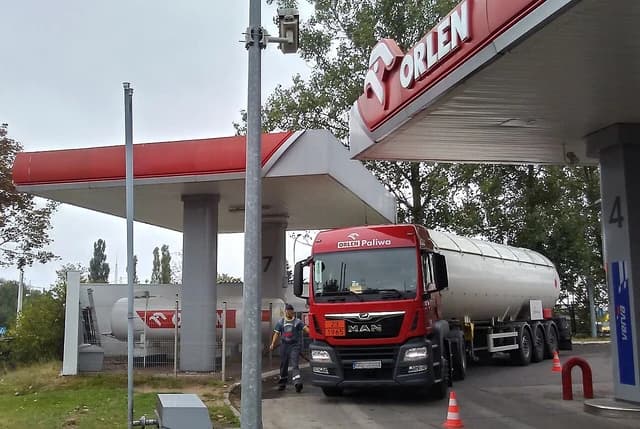
For PKN Orlen, the dominant fuel player, the rally in diesel prices is supportive for nominal fuel margins in the short term, but it also raises the risk of demand destruction and political scrutiny. The stock has remained strong, with the share price well above its 50-day and 200-day moving averages, though the latest pullback leaves it off recent highs and RSI readings lower than earlier in the summer. That suggests investors still like the earnings backdrop, but are becoming more cautious about how much of the fuel-price surge can be sustained without denting volumes.
The key question for the coming weeks is whether September inflation proves to be a one-off spike or the start of a more durable repricing cycle. If diesel stays near record levels and core prices keep firming, the case for tighter NBP policy strengthens and bond yields could grind higher again. If crude and wholesale fuel prices ease, the shock may fade more quickly. For now, the balance of risk is still on the inflation side.
| Entity | Gains | Losses |
|---|---|---|
| PKN Orlen | ▲Higher fuel pricing power | ▼Volume risk, political pressure |
| Polish households | ▲None | ▼Higher transport and living costs |
| NBP | ▲Tighter policy justification | ▼Inflation credibility risk |
| Polish bondholders | ▲None | ▼Higher yields, weaker prices |