Poland is using political turmoil in Germany and the risk of a harder-right turn in France to press its case that Central Europe should help anchor the European Union at a time of war, fiscal strain and shifting power inside the bloc.
Poland pushes Central Europe role in EU
Warsaw’s pitch matters because it is not just rhetorical. Poland has become one of the EU’s larger economies, a G20 member and a frontline state on Russia’s border, giving it more weight on security, enlargement and budget talks than it had when it joined the bloc two decades ago. The message also lands as investors are already probing whether Europe’s traditional core — the Franco-German axis — can still steer the union through defense spending, industrial policy and the next long-term budget.
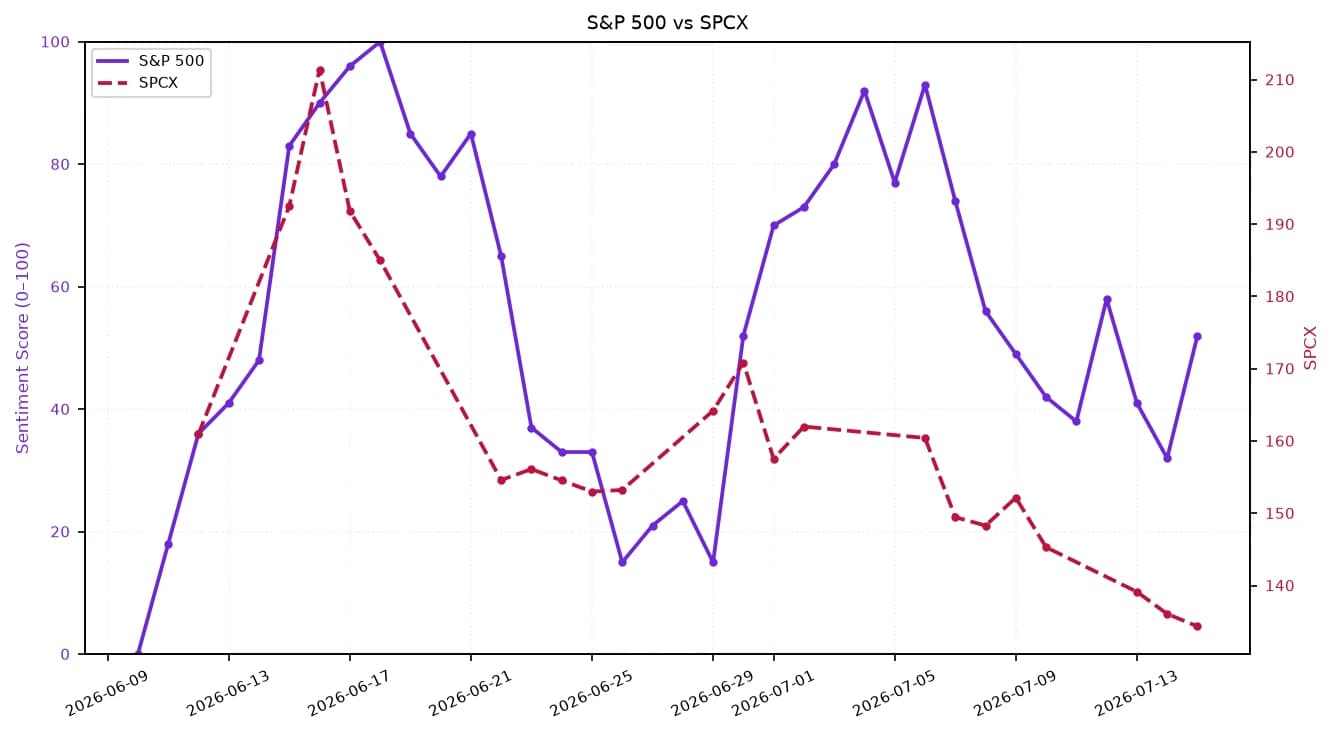
Sentiment IndicatorsⓘProprietary · adalytica.com · September 17, 2026
This is a snapshot — live sentiment, awareness and momentum for 130+ markets update continuously in the dashboard.Open AlphaPulse
The immediate catalyst is a visit to Warsaw by Austrian Chancellor Christian Stocker, the first Austrian head of government to make an official trip there in almost 20 years. Polish officials are presenting that trip as proof that Warsaw and Vienna can build a more structured Central European voice, potentially by widening existing frameworks such as the Visegrad or Slavkov groups. The subtext is that regional coordination could carry more weight if Berlin is distracted and Paris becomes politically less predictable.
That aspiration is being shaped by the war in Ukraine. Poland’s ambassador in Vienna said Central European states should speak “the same language” on the Russian invasion, arguing that the conflict is a shared European problem regardless of NATO status. For markets, that reinforces the view that defense spending and border security are becoming durable budget priorities across the region, especially in countries that see themselves as the EU’s eastern shield.
Poland is also trying to reposition itself in Brussels from a recipient of EU funds to a future net contributor. That matters for the next multiannual financial framework, where Austria is pushing for a slimmer budget while Poland still receives more from the EU than it contributes. Warsaw is signaling flexibility on controversial items such as farm payments, which once dominated Polish EU policy, because the economy has matured and the agricultural sector now carries less relative weight.
For investors, the shift suggests Poland wants more say over the rules that will shape infrastructure, defense procurement, enlargement and the distribution of EU money — all issues that influence capital flows into Central Europe. The country’s claim that it has used EU funds efficiently, particularly to build out roads and transport links, supports the investment case for continued regional convergence, even if budget negotiations remain tense.
The political backdrop in Germany adds urgency. The ambassador said the rise of the AfD was “unfathomable,” warning that it risks undoing decades of normalization between Poland and Germany, which remains Poland’s most important trading partner. A weaker German anchor would matter not only diplomatically but economically, because it could slow industrial cooperation, cross-border supply chains and investment planning across the EU’s eastern flank.
For the euro, the bigger story is that Central Europe is no longer waiting for leadership from the old core. With France and Germany under strain, Poland is trying to define itself as part of a more assertive regional bloc that can influence security, enlargement and fiscal policy. Whether that becomes a durable shift will depend on how far Austria and other neighbors are willing to align with Warsaw — and on whether the EU’s next budget and defense debates reward those ambitions.
| Entity | Gains | Losses |
|---|---|---|
| Poland | ▲Greater EU influence | ▼Role as passive recipient |
| Austria | ▲Central European coordination | ▼Dependence on Franco-German core |
| Germany/France | ▲None from this shift | ▼Leadership primacy |
| EU investors | ▲Regional policy clarity | ▼Stability from existing power balance |