Platinum’s price is being driven far more by vehicle demand, mine supply and currency swings than by the macro forces that dominate gold, and that matters because the metal’s biggest moves tend to come from industrial shifts rather than safe-haven buying.
Platinum demand, supply, and ETF levels
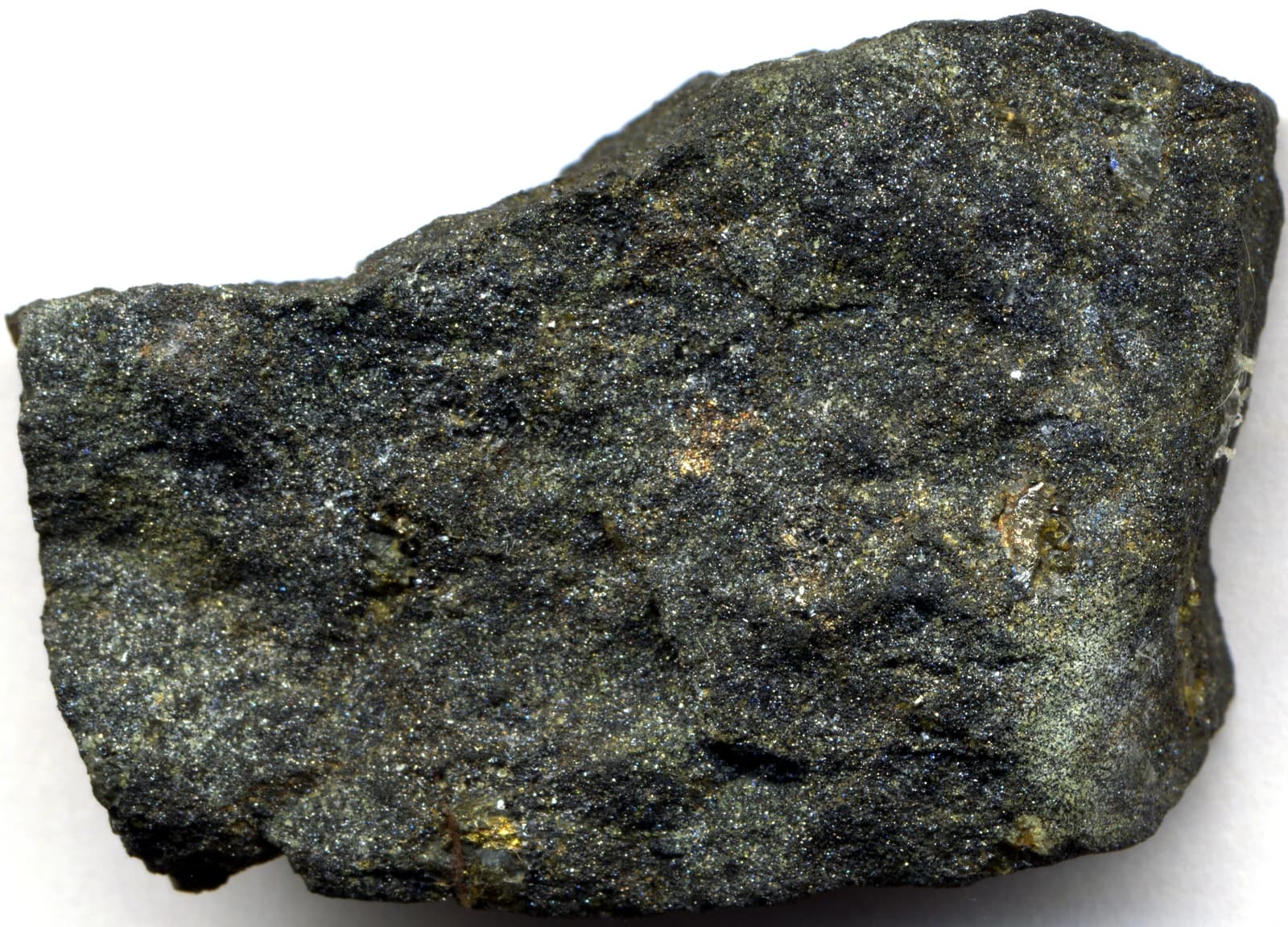
That distinction is central for investors now. Platinum sits in the precious-metals basket, but unlike gold it is used largely because of what it does, not what it represents. The biggest demand lever is autocatalysts, where emissions rules, vehicle production and diesel mix determine how much metal the auto industry needs.
Sentiment IndicatorsⓘProprietary · adalytica.com · September 22, 2026
This is a snapshot — live sentiment, awareness and momentum for 130+ markets update continuously in the dashboard.Open AlphaPulse
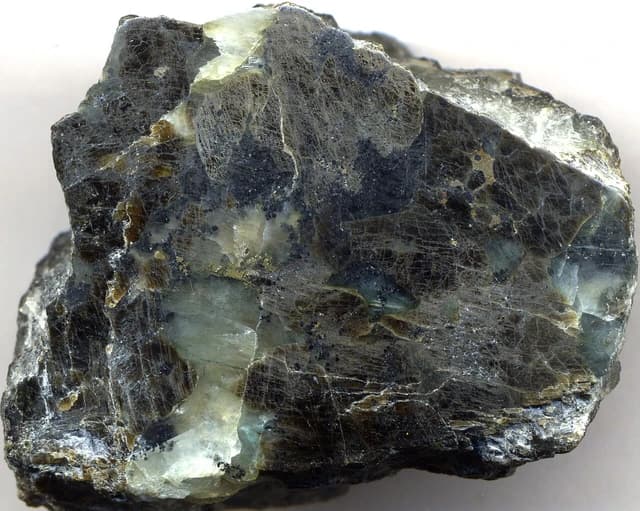
The market is also constrained by how slowly supply responds. Much of global platinum output comes from deep, capital-intensive mines that cannot quickly ramp up when prices rise or shut down cheaply when they fall. Recycling from spent autocatalysts is the most responsive supply source, but it depends on scrappage rates and collection economics, making it harder to forecast than mine output.
Substitution with palladium adds another layer. Manufacturers can shift between the two metals in some catalytic applications, but the change takes time and engineering work, which means a sustained premium in one metal eventually pressures the other. That makes platinum harder to value in isolation and keeps palladium prices relevant to the outlook.
Platinum-backed funds have reflected the volatility. The Sprott Physical Platinum Trust, which trades under the ticker PPLT, ended Sept. 22 at $16.62, up from $16.31 on Sept. 18, while the abrdn Physical Platinum Shares ETF, PLTM, rose to $17.60 from $17.31 over the same stretch. Both funds remain below their 200-day moving averages, suggesting the recent bounce has yet to turn into a broader trend.
Gold, by contrast, is being shaped more by sentiment and macro hedging. Adalytica’s Gold Fear & Greed Index shows gold at 78, in “Greed” territory, while the U.S. dollar signal reads 98, or “Extreme Greed,” highlighting a stronger currency backdrop that can weigh on dollar-priced commodities.
For investors, the key question is whether autos, emissions policy and recycling tighten the physical market enough to offset weaker financial demand. The next move in platinum is more likely to come from vehicle production data, substitution economics and supply disruptions than from the same macro forces that steer gold.
| Entity | Gains | Losses |
|---|---|---|
| Auto catalyst makers | ▲Tighter supply support | ▼Higher input costs |
| Platinum miners | ▲Higher realized prices | ▼None if output holds |
| Palladium users | ▲Cheaper substitution options | ▼Less upside if platinum firms |
| Gold investors | ▲Macro hedge appeal | ▼Relative focus shifts to industrial metals |