A 33-year-old Dominican national living in New Jersey has pleaded guilty in Pennsylvania to laundering money from a grandparents scam that investigators say duped elderly victims out of more than $1 million.
Pennsylvania grandparent scam money laundering plea
The case matters because it shows how transnational fraud networks still rely on local operators in the U.S. to collect, wash and move cash, turning an emotional phone scam into a cross-border money-laundering operation. For banks, payment companies and law enforcement, the risk is not just the initial theft but the speed with which cash can be broken up and sent overseas.
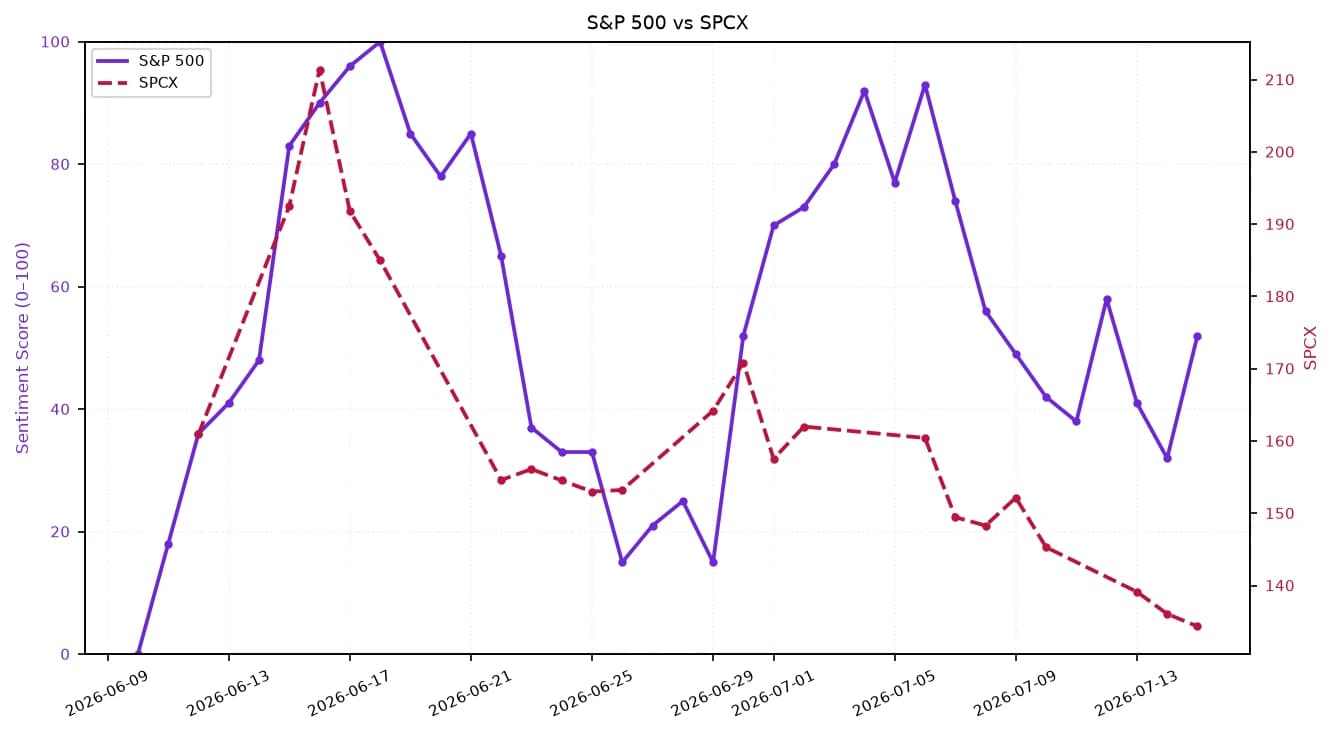
Sentiment IndicatorsⓘProprietary · adalytica.com · September 21, 2026
This is a snapshot — live sentiment, awareness and momentum for 130+ markets update continuously in the dashboard.Open AlphaPulse
Elvys Nicanor Núñez Valerio, of Perth Amboy, entered the plea on Sept. 14 before U.S. District Judge Nora Barry Fischer to one count of conspiracy to launder money, federal prosecutors said. The charge carries a maximum penalty of 20 years in prison and a fine of up to $500,000, or both.
Authorities said the scheme operated out of the Dominican Republic, where callers posed as grandchildren or other relatives and claimed to be in emergencies needing immediate cash. The operation then used ride-share drivers to pick up money from victims’ homes and pass it to other members of the network.
In one July 12, 2025 case, an elderly man in western Pennsylvania handed over $10,000 after a phone call from the scammers. After the family alerted police, the victim was persuaded to keep talking to the fraudsters, who then demanded another $12,000 to free his daughter from jail.
Police substituted a fake package for the second payment and watched a driver deliver it in Harrisburg, where Núñez Valerio was arrested before he could flee, according to the complaint. Investigators said they recovered the sham package and the original $10,000 from the vehicle.
Financial records showed more than 40 cash deposits totaling over $65,000 into an account in Núñez Valerio’s name between January and July 2025, along with transfers tied to co-conspirators and money routed to the Dominican Republic.
Two other Dominican nationals, Luis Alfonso Bisonó Rodríguez and Engels Guillermo Almengot Valerio, were sentenced earlier this month to two years in prison and three years of supervised release each for money-laundering conspiracy tied to the same fraud ring. Núñez Valerio is scheduled to be sentenced on Dec. 1, 2026.
The broader investor angle is that fraud remains a persistent drag on payment ecosystems, increasing compliance costs and exposure to clawbacks, reimbursement claims and reputation damage for firms that move consumer money. PayPal, for example, has warned in SEC filings that evolving fraud schemes can lead to significant costs and reduced customer confidence.
The case also underscores a wider fraud wave targeting older Americans through impersonation scams, with authorities warning that scammers continue to adapt as public awareness and enforcement improve.
| Entity | Gains | Losses |
|---|---|---|
| Prosecutors and police | ▲Case against scam network | ▼Resources spent on fraud probes |
| Elderly victims and families | ▲Greater awareness | ▼Cash losses and distress |
| Payment firms and banks | ▲Stronger fraud vigilance | ▼Higher compliance and reimbursement costs |
| Scam network members | ▲None | ▼Prison risk and asset seizure |