Panama is winning the 2026 expat race because it combines something investors should never underestimate: lower living costs, easier settlement and a stable backdrop at a time when many foreigners are hunting for value, safety and a better quality of life.
Panama leads 2026 expat rankings

That matters because the expat boom is not just a lifestyle trend. It is a capital-flow story. When professionals, retirees and remote workers relocate, they redirect spending into housing, banking, travel, healthcare and hospitality — and they tend to favor countries that can keep attracting foreign income even when global growth slows. In a year when the U.S. dollar is flashing extreme greed in Adalytica’s trade signals and global stability remains only neutral, the appeal of cheaper, more livable destinations is becoming an investable theme.
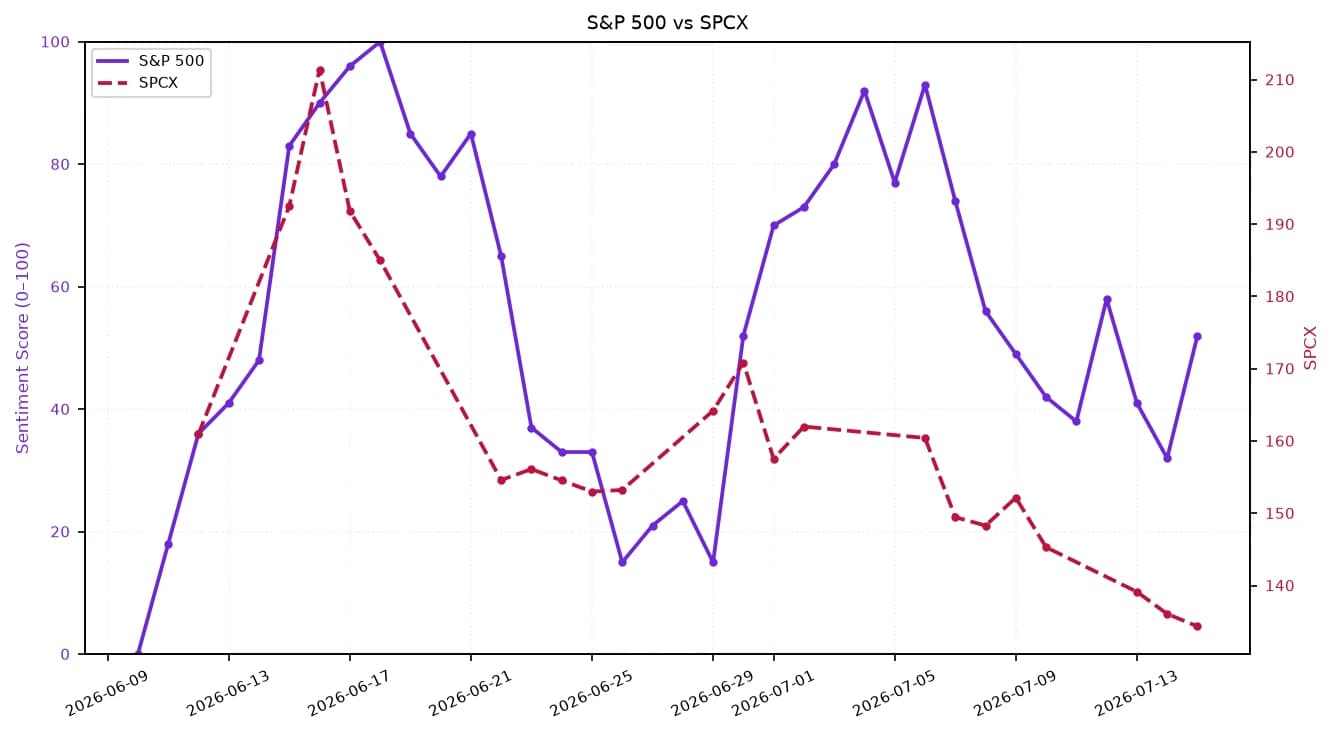
Sentiment IndicatorsⓘProprietary · adalytica.com · September 23, 2026
This is a snapshot — live sentiment, awareness and momentum for 130+ markets update continuously in the dashboard.Open AlphaPulse
Panama finished first for the third straight year, topping both the working-abroad and personal-finance indices in the latest survey. An unusually high 87% of expats there said they were satisfied with life abroad, versus 70% globally, while 90% said finding housing was easy. That combination — livability plus affordability — is exactly why Panama keeps showing up as a magnet for retirees and remote workers who want predictable costs without giving up connectivity or access to financial services.
Mexico, ranked second overall, is the other big winner in the “where do people actually want to live?” economy. It led the world in ease of settling in, with 73% of expats saying it was easy to make local friends, compared with 39% globally. The financial math is equally powerful: one expat in Puerto Vallarta said street tacos cost about $1, and an appendix surgery came in at less than $4,000 — a fraction of what many Americans would pay at home. For investors, that is a reminder that Mexico’s advantage is not only tourism or manufacturing; it is a deeper consumer and services ecosystem built to absorb foreign demand.
Thailand, in third place, is turning ultra-low daily costs into a durable draw for long-stay foreigners. It scored the highest in the survey on cost of living, with 85% of expats rating it positively, and it also produced the happiest expats overall, at 86% satisfaction. Bangkok’s value proposition is clear: international amenities, modern infrastructure and a cost base that makes family life, schooling and remote work far more affordable than in developed-market hubs. That should keep supporting demand for housing, restaurants, education and premium services in expat-heavy districts.
The UAE remains a different kind of story: not the cheapest destination, but one of the most compelling for career-driven migrants. Expats there gave top marks for career prospects, and despite geopolitical noise earlier this year, many said daily life had stayed largely normal. For investors, that steadiness matters. The UAE continues to pull in high-income residents, which supports high-end real estate, retail and private services even when regional risks rise.
Brazil’s entry into the top five is the most interesting upside surprise. It ranked highly on happiness, settling in, hospitality and culture, with expats repeatedly citing warmth and social inclusion as the reason they stay. That makes Brazil a possible beneficiary of a broader search for affordability and belonging among mobile workers and entrepreneurs. But it also remains a market where cost is only part of the equation; infrastructure, security and bureaucracy still shape the true opportunity set.
The investable takeaway is straightforward: the market underestimates how powerful the expat relocation trade can be for select countries. Panama, Mexico and Thailand are not just lifestyle destinations; they are demand magnets for housing, banking, travel and local consumer spending. The next leg of this theme likely favors the picks-and-shovels — airlines, landlords, payment networks, travel platforms and service providers that profit when foreigners choose to live abroad rather than merely visit. Position early, because the winners in this migration cycle are likely to compound for years, not quarters.
| Entity | Gains | Losses |
|---|---|---|
| Panama | ▲foreign residency demand | ▼high-cost competitor cities |
| Mexico | ▲local consumer spending | ▼safety-sensitive newcomers |
| Thailand | ▲long-stay expat housing demand | ▼pricier global hubs |
| Brazil | ▲relocation-driven services growth | ▼bureaucratic laggards |