Pakistan’s goods transport operators have raised freight fares by 7%, a move that is likely to feed into higher prices for food, fuel and other essentials as logistics firms pass on a sharp rise in diesel and petrol costs.
Pakistan goods transport fares rise 7% on fuel costs
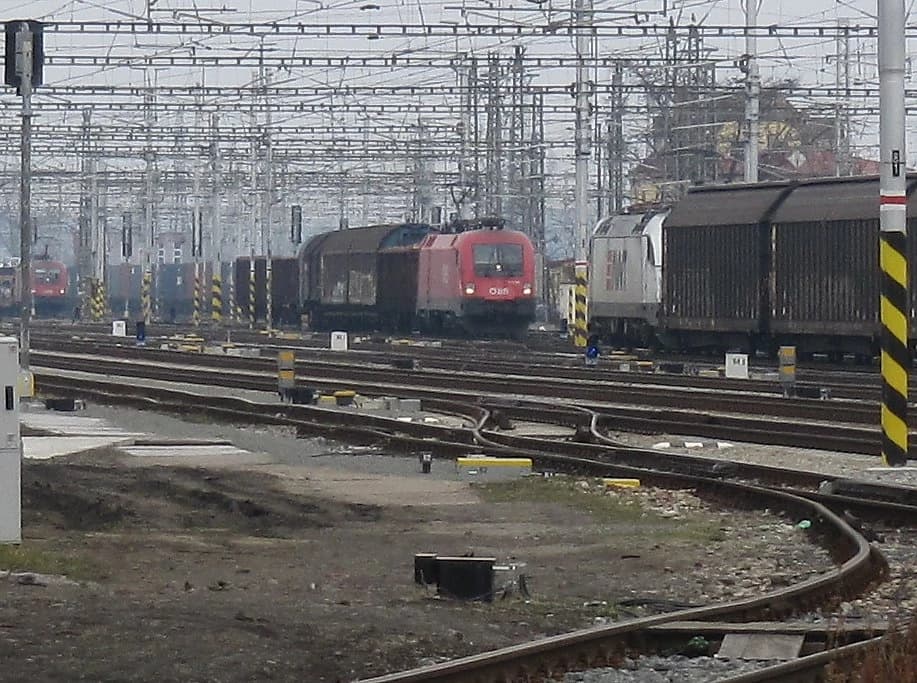
The increase comes after diesel prices climbed Rs26.88 per liter over the past seven days, while petrol rose Rs20 per liter, according to Malik Shehzad Awan, president of the All Pakistan Goods Transport اتحاد. For truckers and freight operators, fuel is one of the biggest operating costs, so even a short burst in pump prices quickly turns into higher haulage rates.
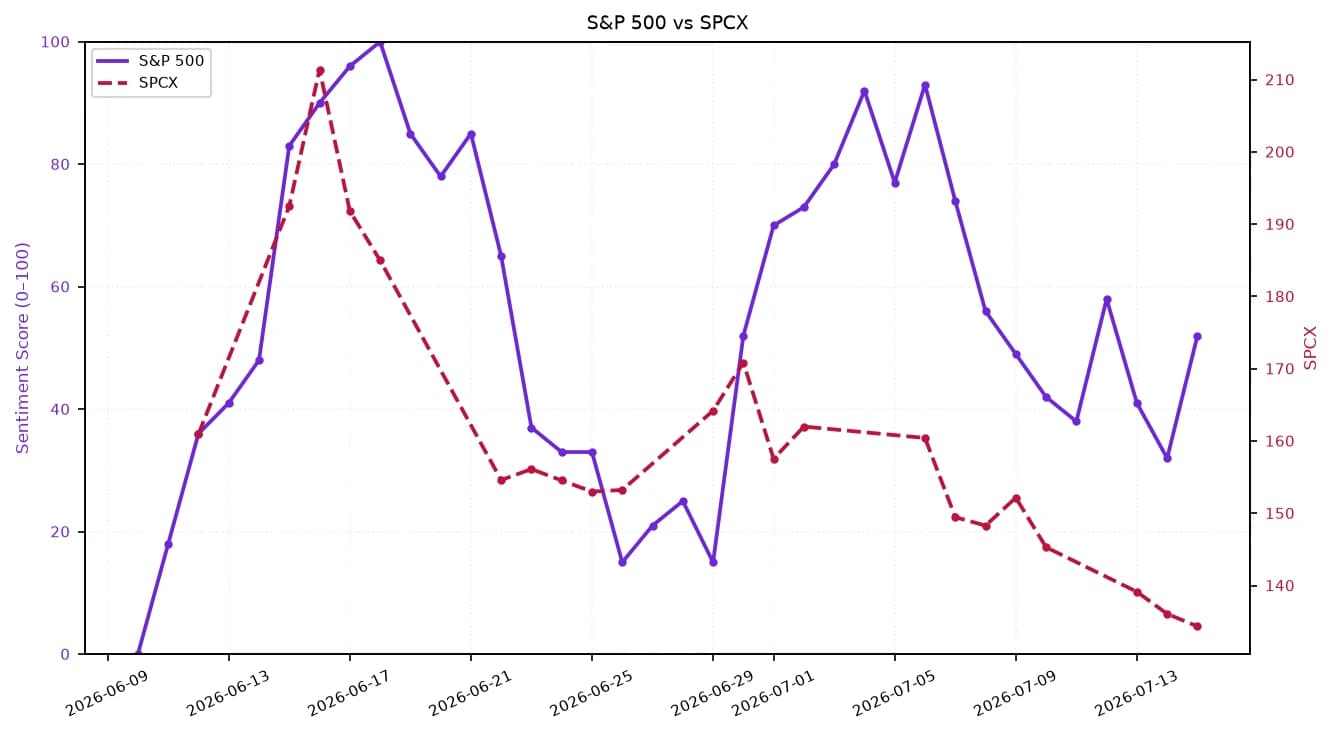
Sentiment IndicatorsⓘProprietary · adalytica.com · September 19, 2026
This is a snapshot — live sentiment, awareness and momentum for 130+ markets update continuously in the dashboard.Open AlphaPulse
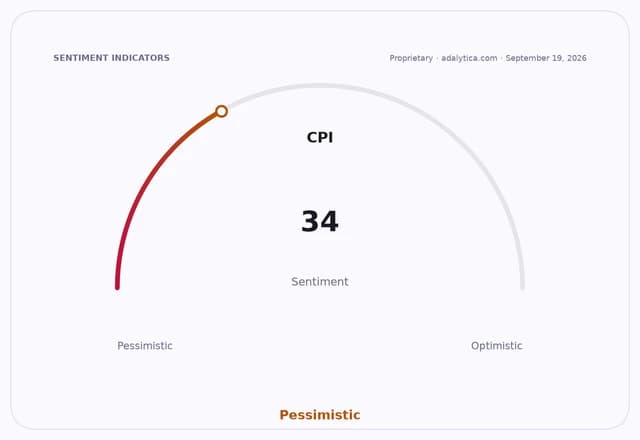
That matters for the wider economy because transport costs sit near the start of the inflation chain. When freight becomes more expensive, wholesalers and retailers often absorb the hit only briefly before passing it on to consumers, especially in food and other basic goods where margins are thin.
For investors, the immediate readthrough is inflationary pressure in Pakistan at a time when households are already sensitive to price shocks. Higher logistics costs can also complicate the policy outlook for the central bank and weigh on sectors that rely on road freight, from consumer staples and retail to industrial supply chains.
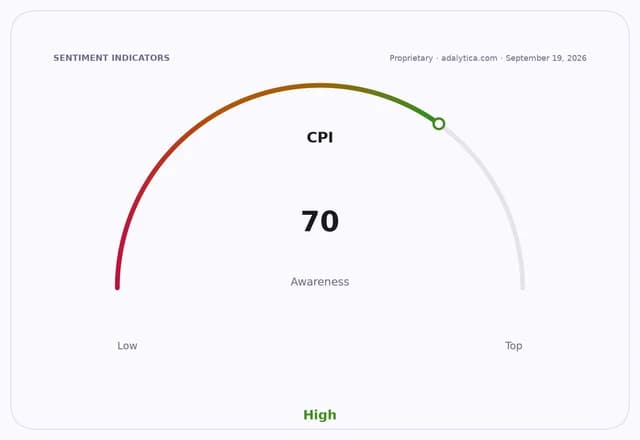
The move also underscores how quickly energy-price volatility can ripple through emerging-market transport networks. If fuel stays elevated, freight operators may press for further fare increases, while businesses dependent on road cargo will face another round of margin pressure.
| Entity | Gains | Losses |
|---|---|---|
| Goods transport operators | ▲Higher freight revenue | ▼None from the hike |
| Trucking customers | ▲None | ▼Higher logistics bills |
| Consumers | ▲None | ▼More expensive essentials |
| Pakistan inflation outlook | ▲None | ▼Upward price pressure |