Pakistan’s cotton season is off to its strongest start in years, with arrivals at ginning factories rising 19% by Sept. 15 to 2.389 million bales, a jump that is lifting expectations the country could finally top 6 million bales in output this year.
Pakistan cotton arrivals rise 19% to 2.389 million bales
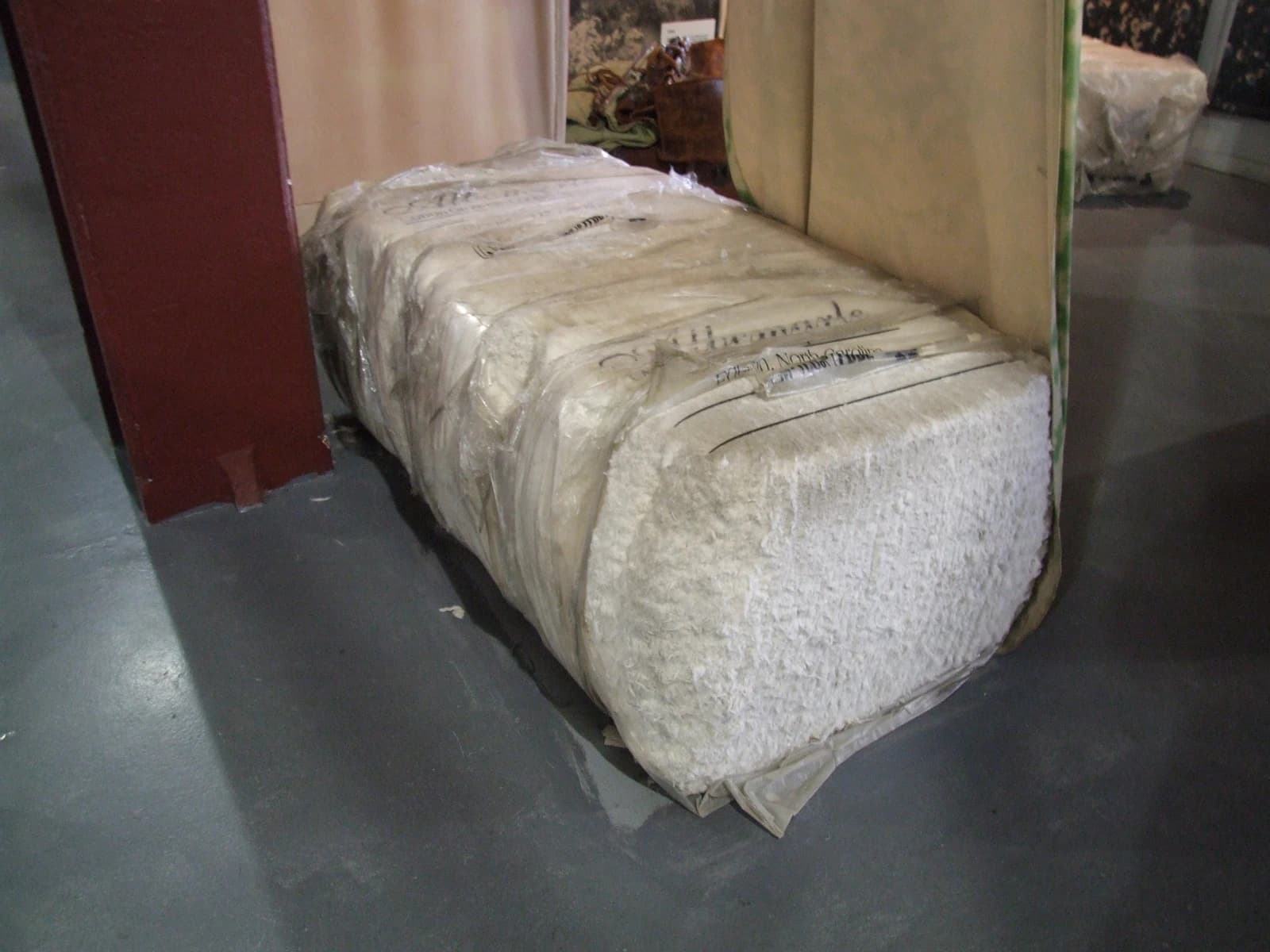
The early-season pickup matters because cotton remains a key raw material for Pakistan’s textile industry, one of the country’s biggest export earners. A larger domestic crop could ease millers’ dependence on imports, support local ginners and improve supply visibility for spinners heading into the main picking phase.
Data from the Pakistan Cotton Ginners Association showed arrivals up from 2.004 million bales a year earlier. Punjab posted a 24.73% increase to 860,942 bales, while Sindh rose 16.25% to 1.528 million bales, with Sanghar district alone contributing 888,607 bales — more than the entire province of Punjab.
Textile mills had already bought at least 2.035 million bales and exporters 93,000 bales, leaving about 261,000 bales with ginners. That suggests healthy near-term off-take, even as domestic lint prices have come under pressure from softer international cotton markets and cheaper Brazilian supply.
Chairman of the Cotton Ginners Forum Ihsanul Haq said national production could exceed 6 million bales this season, compared with about 5.5 million last year, and called the crop and quality potentially the best in eight to 10 years. But he also flagged a widening gap between PCGA and official Punjab estimates, underscoring how much uncertainty still surrounds the final tally.
The crop is now entering its most vulnerable stage. Analysts said the next few weeks will hinge on pink bollworm pressure, rainfall, timely picking and lint quality, with heavy rain and moisture likely to heighten pest risk and damage fibre.
For investors and textile buyers, the immediate implication is a more comfortable domestic supply picture, but not a clear pricing floor. Lint has already slipped by about Rs1,000 per maund to around Rs18,600 in Punjab and Rs18,400 in Sindh, and further weakness could follow if imports rise or pest damage cuts quality.
| Entity | Gains | Losses |
|---|---|---|
| Pakistani textile mills | ▲More domestic cotton supply | ▼Higher import dependence eases less |
| Cotton ginners | ▲Stronger early arrivals, better throughput | ▼Price weakness squeezes margins |
| Farmers | ▲Better crop prospects, higher output potential | ▼Pest pressure and weather risk |
| Brazilian exporters | ▲More sales into Pakistan | ▼Pakistani domestic cotton producers |