Oman is using COP31 to turn climate diplomacy into concrete energy deals, with the sultanate expecting 10 memorandums of cooperation and two hydrogen agreements that could deepen its push to become a regional gas-and-clean-fuels hub.
Oman COP31 Pushes Gas and Hydrogen Deals
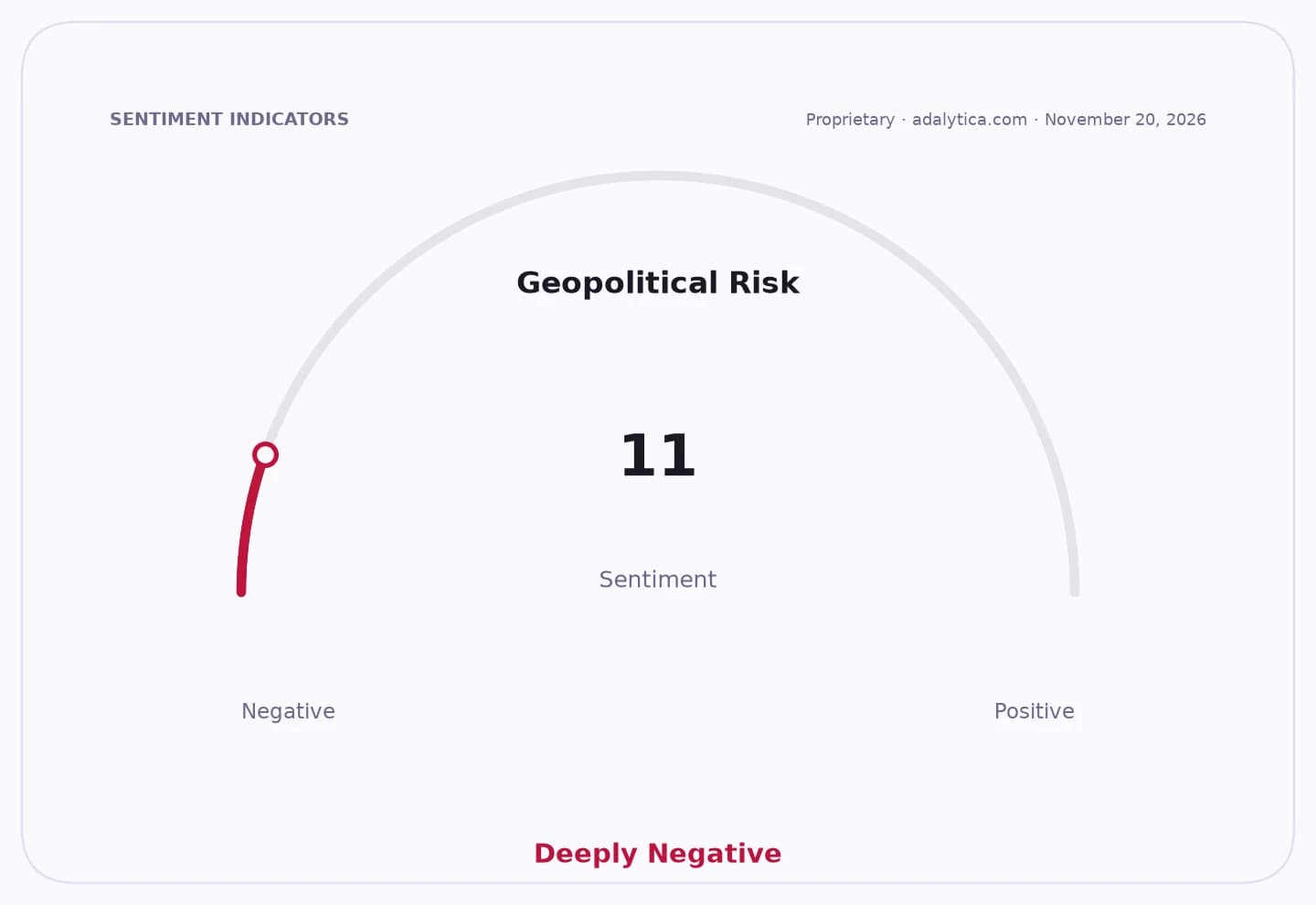
Geopolitical Risk
That matters because Oman is not treating the energy transition as a distant policy exercise. It is pairing new hydrogen agreements with a $400 million gas concession tied to Energy Oman and ExxonMobil in Greater Makarem, a combination that gives Muscat both near-term cash flow and a longer-dated decarbonization story. For investors, that mix is more important than the headline count of accords: Oman is signaling that capital will keep flowing into conventional hydrocarbons while the country builds optionality in hydrogen, infrastructure and liquefaction.
Sentiment Indicators
The market is still underestimating how powerful that strategy can be in the Gulf. High oil prices, active regional project spending and the continued recovery in Middle East energy investment are reinforcing demand for upstream services, engineering and industrial infrastructure. Oman’s approach also fits the broader pattern of resource-rich states using climate forums to lock in partnerships rather than promises, converting policy visibility into bankable project pipelines.
The gas deal in Greater Makarem is especially important. Gas remains the bridge fuel that can support export revenues, power domestic industry and supply liquefaction capacity while hydrogen economics are still being worked out. Hydrogen, by contrast, remains a longer-cycle opportunity with uncertain offtake, pricing and regulation. That is exactly why the country’s dual-track approach makes sense: it captures the upside of energy transition investment without betting the balance sheet on demand that has not yet fully formed.
For investors, the winners are the companies and sectors positioned around Oman’s buildout — international oil and gas partners, service contractors, LNG-linked infrastructure names and industrial gas players with a foothold in the region. The losers are those waiting for hydrogen to scale on its own before committing capital. The real opportunity, as in most energy transitions, is in the toll roads: gas production, liquefaction, pipelines, project management and equipment before the hydrogen market fully matures.
The next catalyst is execution. If Oman can translate COP31 agreements into financed projects and timely construction, it strengthens the case for a multi-year capex cycle across Gulf energy infrastructure. In a market still fixated on hydrogen headlines, the smarter trade is to own the picks-and-shovels beneficiaries that get paid long before the green molecules do.
| Entity | Gains | Losses |
|---|---|---|
| Oman | ▲More investment inflows | ▼Transition skepticism |
| ExxonMobil & Energy Oman | ▲Gas project upside | ▼Delay risk |
| LNG/service contractors | ▲New project pipeline | ▼Waiting on financing |
| Pure-play hydrogen developers | ▲Policy momentum | ▼Offtake uncertainty |