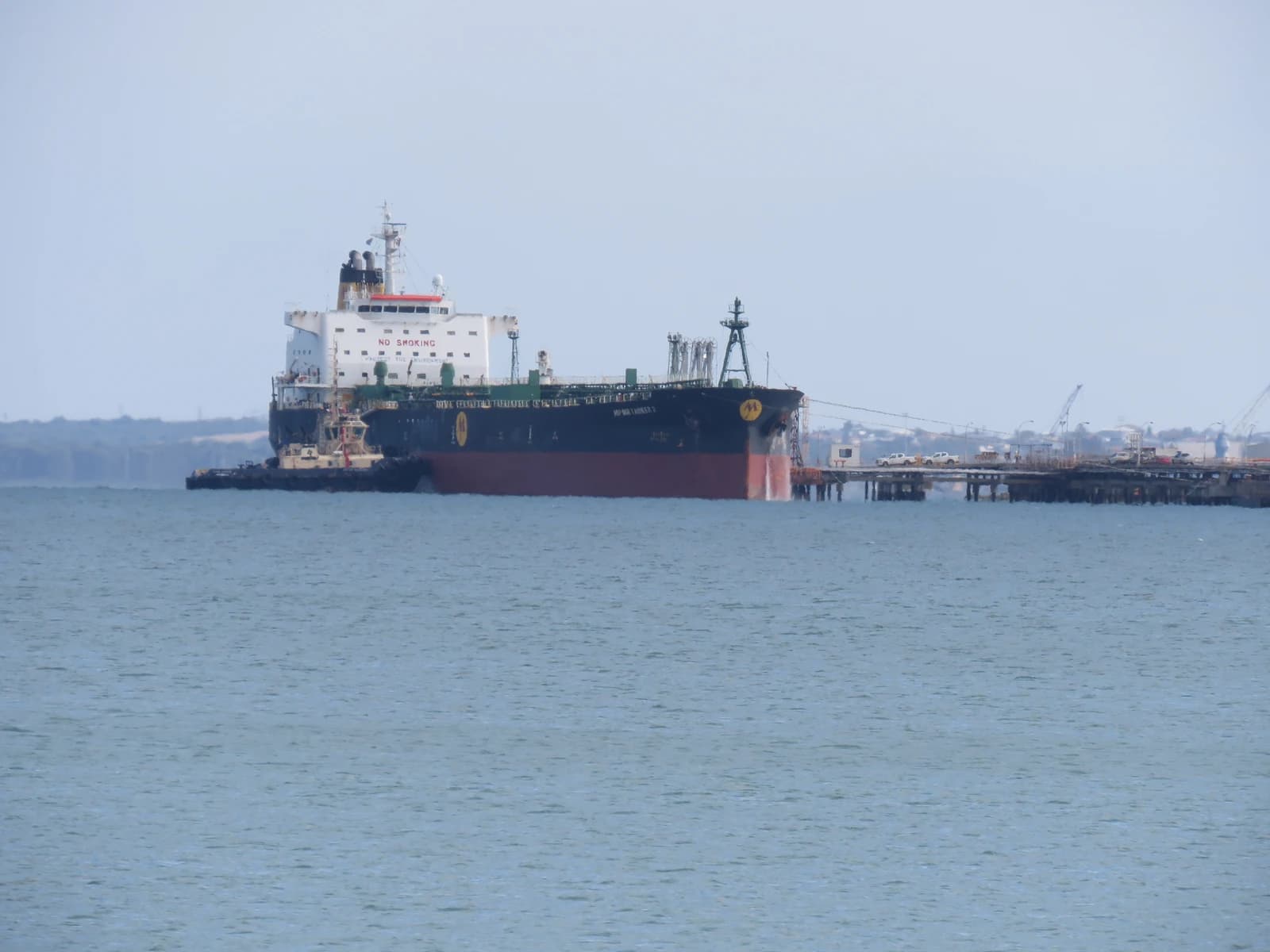
Trafigura’s decision to hold back on major investment in alternative marine fuels is a reminder that shipping’s green transition is being driven less by ambition than by economics.
Trafigura Holds Back on Alternative Marine Fuels
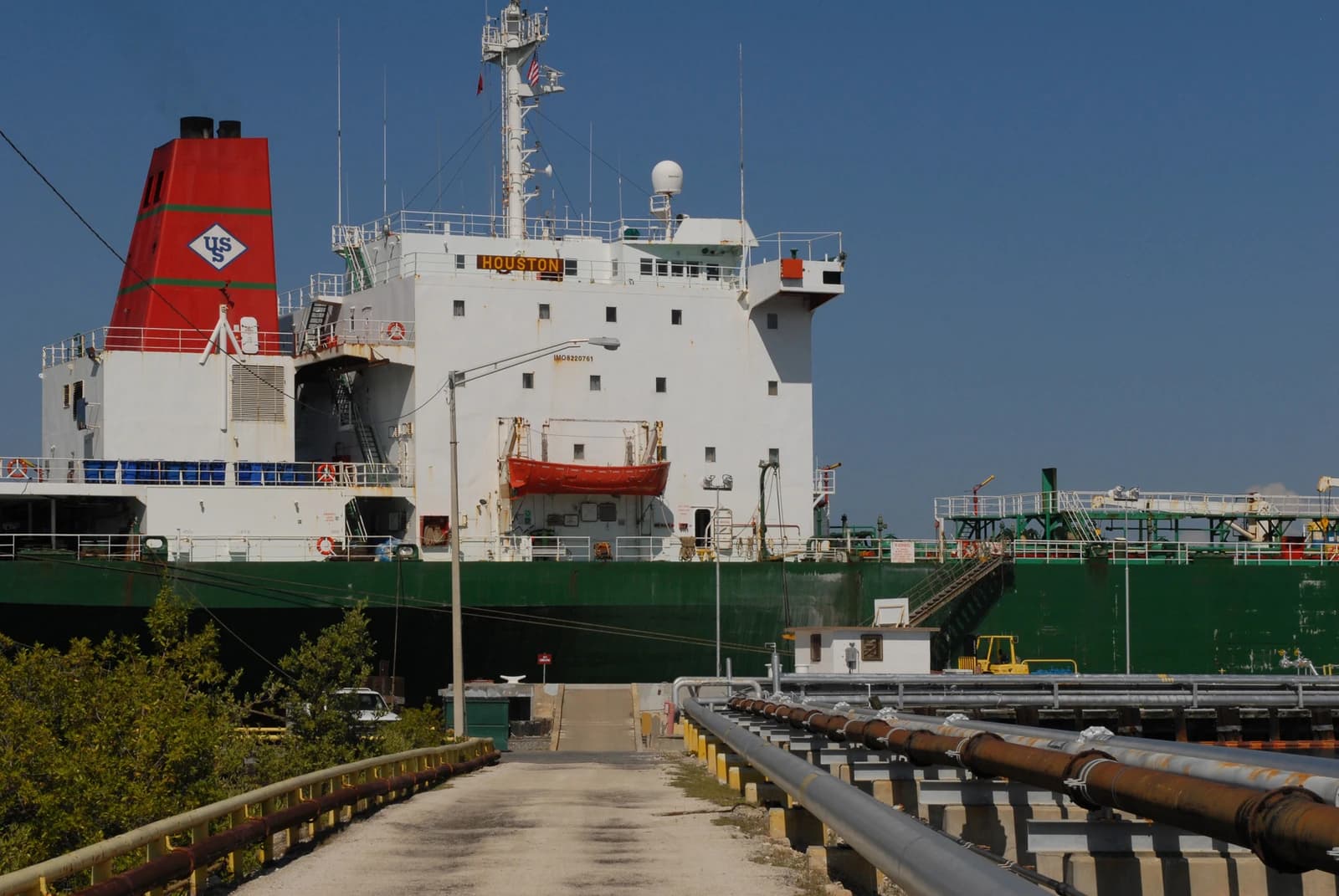
For investors, that matters because the shipping fuel market is still anchored to the same old workhorse: marine fuel oil. Trafigura said demand for conventional bunker fuel remains stable, even as regulators push the industry toward lower-emission options such as LNG and biodiesel. In other words, the International Maritime Organization’s 2050 net-zero goal is colliding with a market that is still not ready to pay up, retrofit fast enough or commit capital at scale.
Sentiment Indicators
Geopolitical Risk
That gap between policy and commercial reality is important for the broader energy complex. Shipping is one of the hardest sectors to decarbonize because vessels are long-lived, fuel choice depends on infrastructure at ports, and operators are highly sensitive to operating costs. When fuel spreads are uncertain and payback periods are long, shipowners tend to wait. Trafigura’s caution suggests that even one of the world’s biggest commodity traders sees little near-term appetite for a rapid switch.
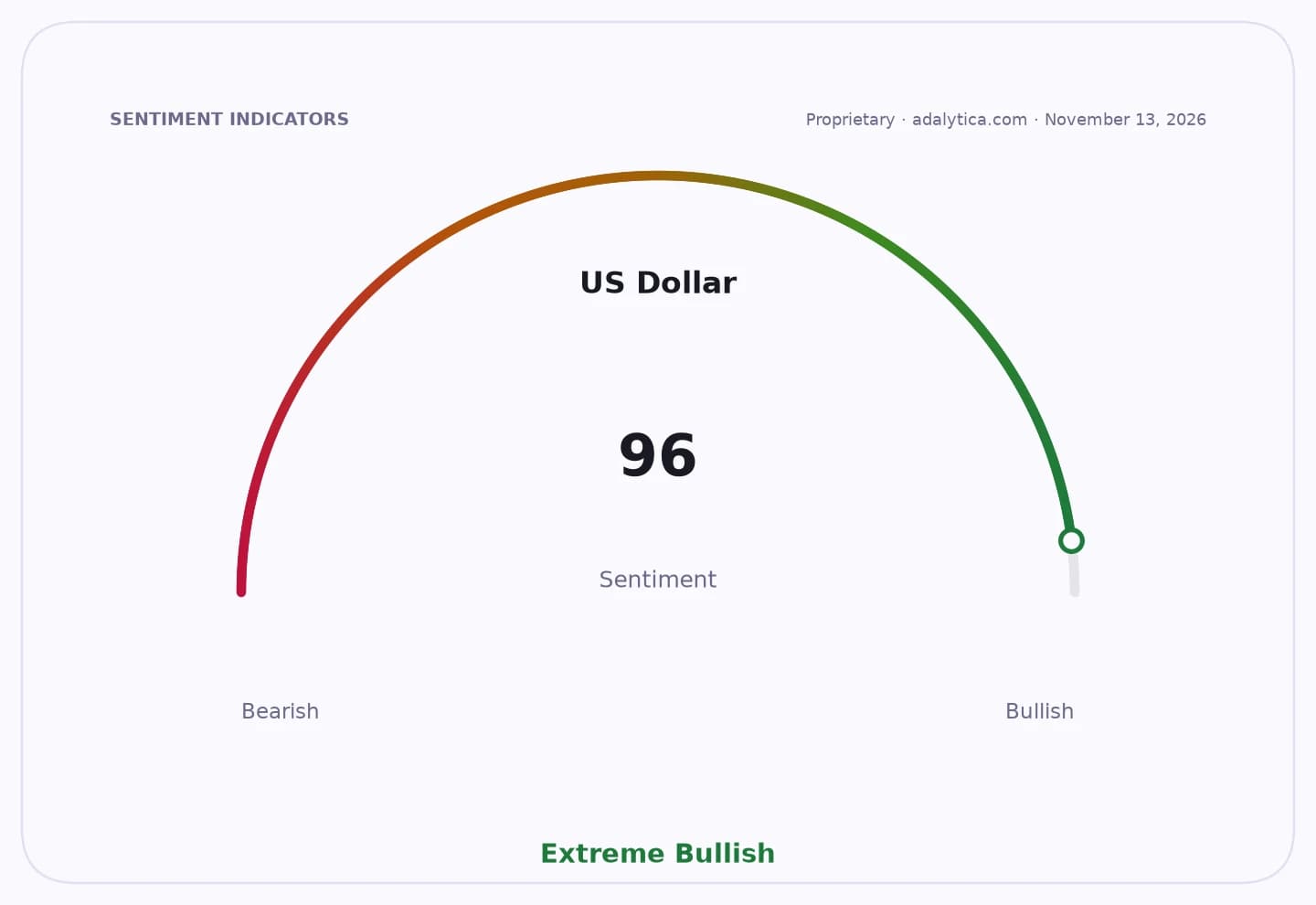
The timing also matters. Oil prices have been volatile but remain high enough to keep conventional fuels central to marine operations, while natural gas and biodiesel economics can be less compelling once transport, storage and engine conversion costs are included. The latest Brent-related and gas-market moves have not produced a decisive cost advantage for alternatives, which helps explain why the transition is slowing. Adalytica’s U.S. dollar trade signals also show extreme fear, underscoring a risk-averse backdrop that makes heavy industrial investment harder to justify.
Geopolitical Risk
For long-term investors, the message is not that alternative marine fuels will fail. It is that adoption may follow a much more gradual curve than many climate roadmaps imply. That tends to favor integrated commodity traders and fuel suppliers with optionality, while punishing niche players that need a fast policy-driven rollout to support their business models.
The bigger question is whether regulation eventually forces the economics to change. If carbon pricing, port rules and engine mandates tighten enough, shipowners will have to move. Until then, the marine fuel market looks set to stay dominated by traditional fuel oil, with LNG and biodiesel remaining more of a future opportunity than a present-day earnings driver.
For investors, that makes Trafigura’s stance worth watching: the green shipping trade is still a story for the coming years, not the next quarter.
| Entity | Gains | Losses |
|---|---|---|
| Trafigura | ▲near-term capital discipline | ▼faster transition narrative |
| Marine fuel oil suppliers | ▲stable demand | ▼cleaner-fuel competitors |
| LNG and biodiesel developers | ▲long-term policy support | ▼delayed commercial adoption |
| Shipowners | ▲more time to defer retrofit costs | ▼pressure from future regulation |