The latest flare-up in the Iranian crisis is reviving the classic oil-shock trade: crude prices have jumped back above $100 a barrel at points this year, energy shares have rallied and investors are reassessing how long higher fuel costs can support oil producers while also pressuring consumers and car buyers.
Oil, energy stocks rise as Iran crisis lifts crude

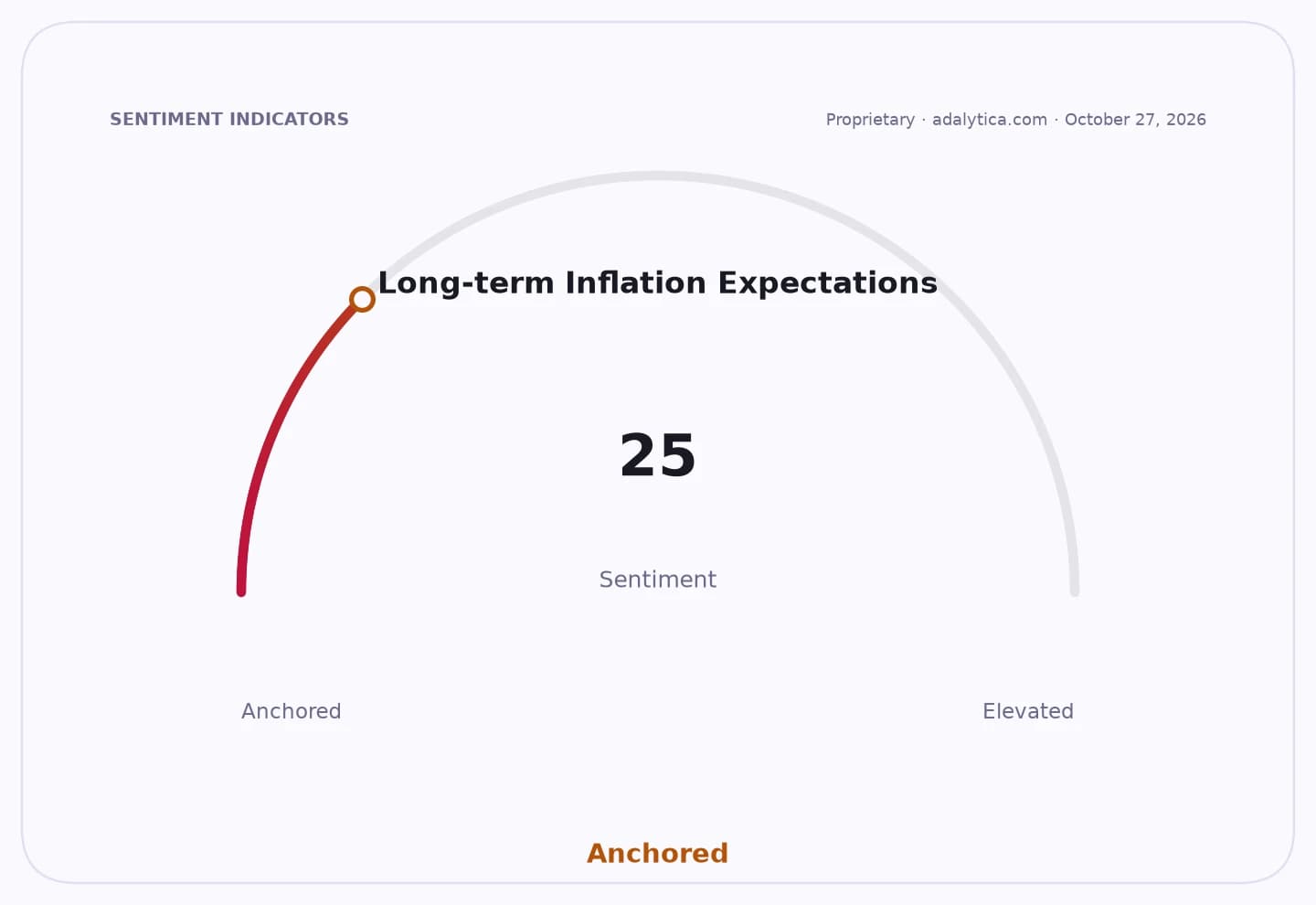
That matters because energy is one of the fastest ways geopolitics reaches the real economy. When oil rises, inflation expectations, transport costs and household budgets all move higher, and that can feed through to central-bank policy and corporate margins. The 10-year US Treasury yield has hovered near 5%, while the 10s-2s curve remains only modestly positive at about 0.32 percentage point, a reminder that markets are still pricing growth risk even as inflationary shocks reappear.
Sentiment Indicators
For investors, the immediate beneficiaries are clear. The Energy Select Sector SPDR Fund has climbed to about $70, well above its 200-day moving average of roughly $58, while WTI crude last traded near $96 after touching $104.12 in recent sessions. The technical picture remains constructive: oil is still trading above both its 50-day and 200-day moving averages, and the 50-day average has risen steadily, reinforcing the market’s view that geopolitical risk has created a durable floor under prices.
The losers are equally visible. US consumer-facing sectors and automakers face a squeeze if fuel remains expensive for long enough to weaken discretionary spending. Tesla shares, which had recovered above $400 late last month, remain vulnerable to any hit to consumer confidence or higher operating costs, even as the stock has held above its 200-day average. That is the key tension in the electric-vehicle debate: more expensive gasoline can help the long-term EV adoption case, but a broader cost-of-living shock can also make buyers defer new-car purchases altogether.
The podcast question — whether one can “avoid electric vehicles” — captures that ambiguity. In the near term, high fuel prices tend to strengthen the relative appeal of EVs and hybrids, especially in markets with supportive policy and charging buildout. Yet the same shock can slow overall auto demand, and EV makers still face financing, pricing and supply-chain pressure. The recent profitability milestone at India’s Ather Energy shows the sector can scale, but it also highlights how selective the winners may be as competition intensifies.
The broader market narrative is that investors are moving back into the inflation trade without abandoning growth assets entirely. Energy looks like the most direct hedge against Middle East risk, while EVs remain a longer-duration structural theme that can be derailed or accelerated by the next move in oil. How long the Iranian crisis lasts will determine whether this becomes a temporary rotation or a more durable repricing of transport, consumer and auto-sector earnings.
| Entity | Gains | Losses |
|---|---|---|
| Oil producers | ▲Higher realized prices | ▼Demand volatility risk |
| Energy stocks | ▲Momentum and cash flows | ▼If crude reverses |
| EV makers | ▲Relative fuel-cost advantage | ▼Softer auto demand |
| Consumers | ▲None | ▼Higher fuel and inflation pressure |