Goldman Sachs has lifted its December Brent crude forecast to $105 a barrel, underscoring how geopolitical risk in the Middle East continues to trump signs that some oil flows are normalizing.
Goldman raises Brent forecast to $105 for December

The move matters because it raises the bar for global energy costs into year-end, with the bank now seeing Brent averaging $105 in December, up nearly 17% from its prior $90 forecast, and holding at $88 next year versus an earlier $80 estimate. For investors, that means the oil market is still pricing a meaningful risk premium that can filter through inflation, transport costs, airline margins and broader portfolio positioning.
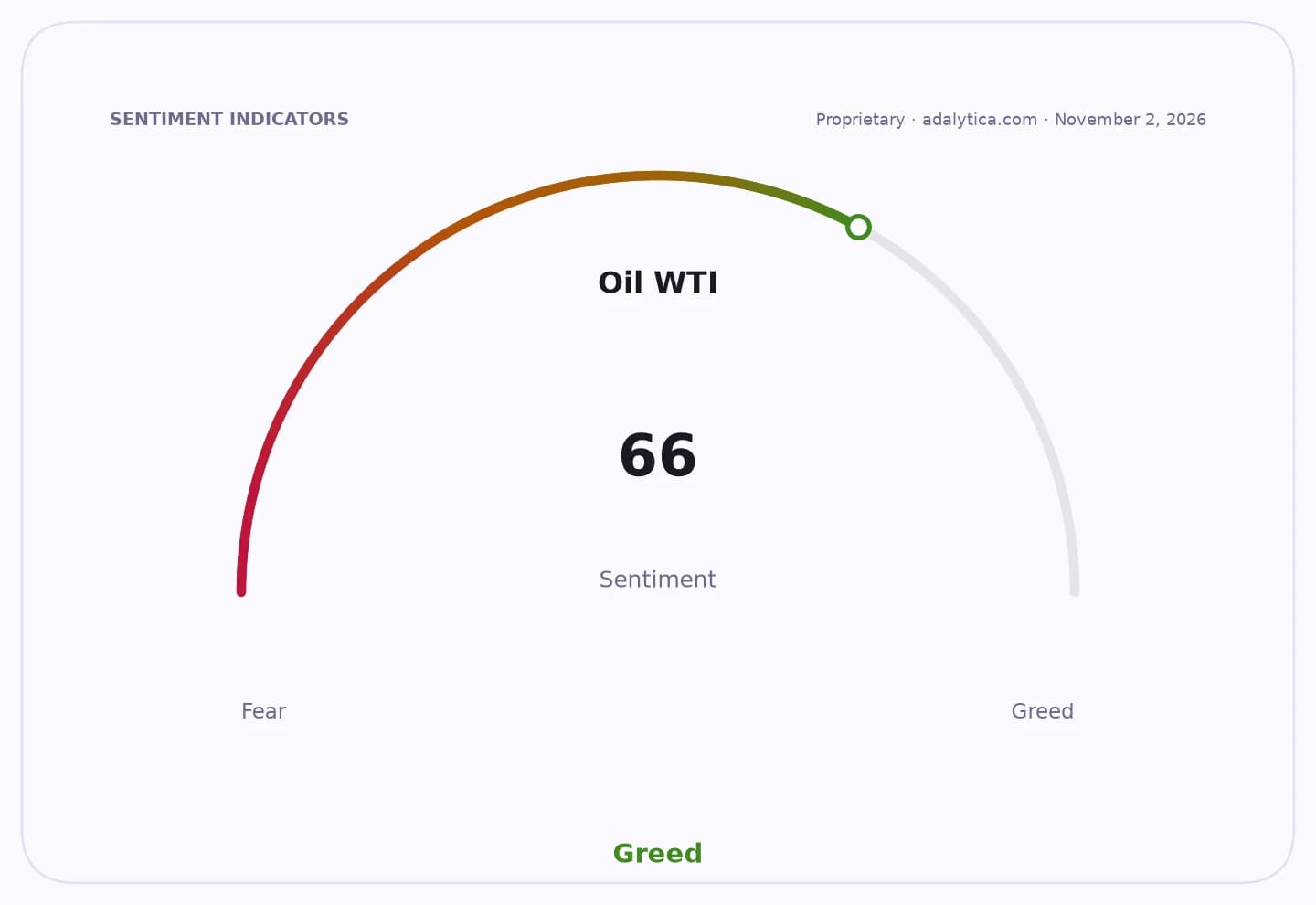
Sentiment Indicators
The revision adds Goldman to a growing list of banks turning more constructive on crude. ANZ last week raised its Brent call 10% to $105 by end-2026, while UBS sees $110 at the end of this year, as analysts argue that supply buffers have thinned after months of adapting to disrupted Middle Eastern flows.
Goldman’s Daan Struyven said a lasting decline in the risk premium would likely require a diplomatic breakthrough markets believe can stick. That remains a low-probability outcome for now, even after reports of talks involving Iranian and Qatari officials briefly stoked hopes of de-escalation.
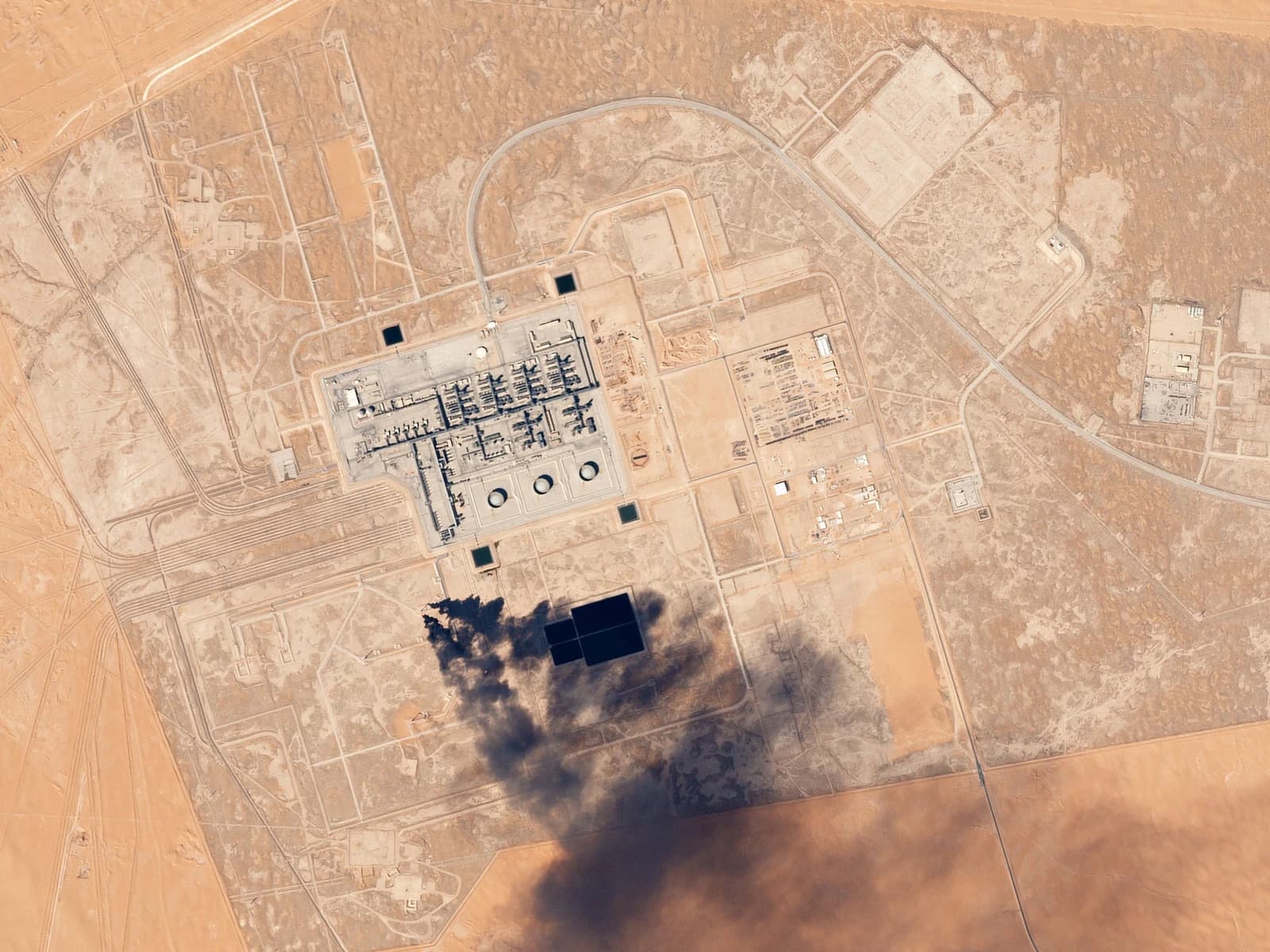
Brent had already swung sharply on fears of attacks on energy infrastructure in the region, at one point pushing toward $118 a barrel and near four-year highs. The latest forecasts suggest traders and hedgers are still treating the market as vulnerable to fresh supply shocks, especially with winter demand approaching.
The implications extend beyond oil producers. Higher crude supports energy equities and commodity-linked assets, but it also threatens consumers, refiners and parts of the transportation sector while complicating the inflation outlook for central banks.
| Entity | Gains | Losses |
|---|---|---|
| Oil producers | ▲Higher realized prices | ▼None |
| Energy equities | ▲Better earnings outlook | ▼Valuation risk if supply eases |
| Consumers and airlines | ▲None | ▼Higher fuel costs |
| Central banks | ▲None | ▼Inflation pressure |