Saudi Aramco posted a sharp jump in second-quarter profit as the war-driven surge in crude prices more than offset weaker production, underscoring how geopolitical risk in the Gulf is still feeding directly into the world’s largest oil company’s cash generation.
Saudi Aramco Q2 profit jumps on higher oil prices
The state-controlled producer said adjusted net income rose by about a third from a year earlier to just over 125 billion riyals, or $29 billion, topping analyst expectations. The result highlights the asymmetric impact of the latest Middle East shock: while conflict has disrupted flows and forced some regional producers to trim output, it has also lifted prices for crude and refined products enough to boost earnings at the firms that can still move barrels.
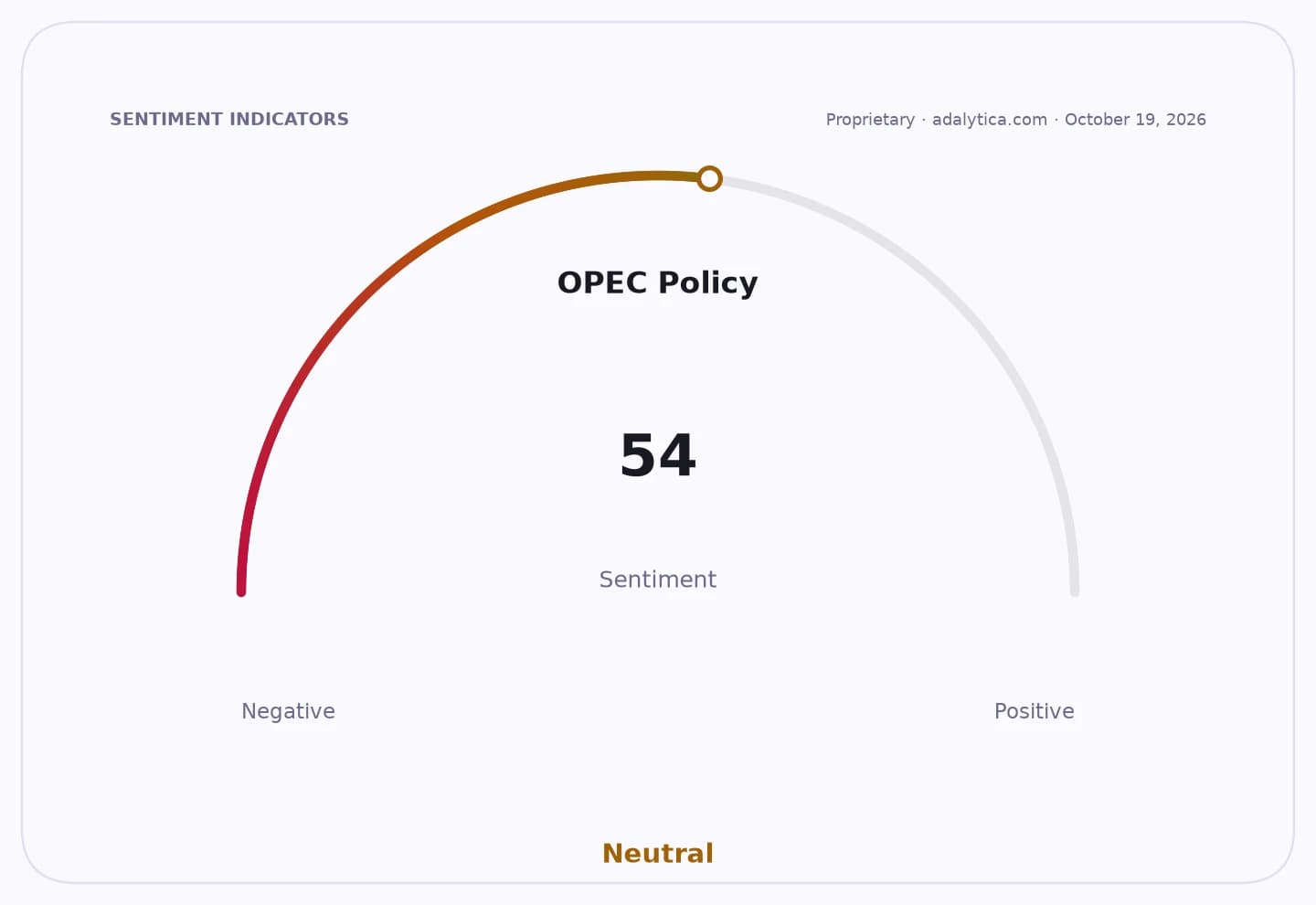
Sentiment Indicators
Oil WTI
That matters economically because Aramco sits at the center of Saudi Arabia’s fiscal model. Higher oil prices improve the kingdom’s export receipts, support government spending capacity and reinforce the role of energy revenues in funding diversification projects. The company also benefited from the ability to reroute some shipments through a domestic pipeline and an alternative Red Sea outlet, giving it more flexibility than peers exposed directly to the Strait of Hormuz.
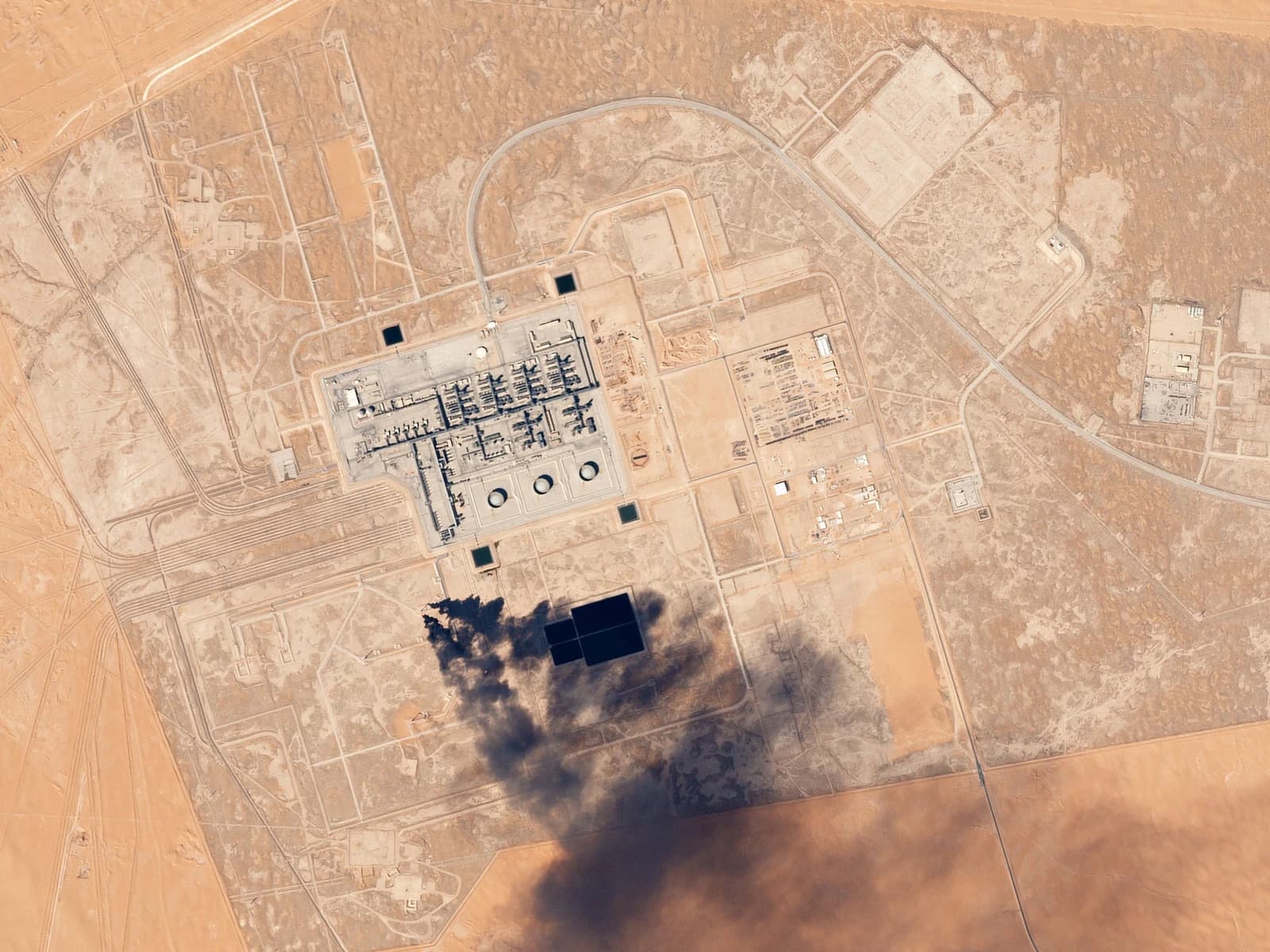
But the earnings strength came against a fragile backdrop. Saudi output fell in the quarter, in part because facilities were attacked and damaged during the conflict, showing that the same tensions that lift prices can also constrain volumes and raise operational risk. The Red Sea route is not a clean solution either: Houthi attacks on tankers have added a fresh layer of shipping risk, potentially raising insurance and freight costs and leaving the supply chain vulnerable even when the oil itself is still flowing.
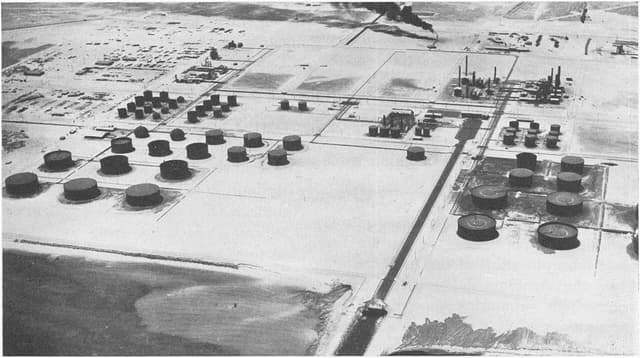
For investors, the report is a reminder that integrated energy majors with upstream exposure remain highly leveraged to crude swings, while refiners and traders can also benefit when product prices spike faster than input costs. The stock-market readthrough is broadly supportive for oil-linked equities, with U.S. energy funds and producers already trading stronger alongside the rally in crude and the conventional technical indicators for USO and XLE showing prices well above their 50-day and 200-day moving averages. By contrast, consumers, airlines and other fuel-intensive sectors face a higher-cost environment if the price spike proves persistent.
The next catalyst is whether the current geopolitical premium fades or hardens into a more durable supply shock. Recent easing in some oil-market fears suggests prices could stabilize, but any renewed escalation around Iran, Gulf shipping lanes or Red Sea transport would quickly feed back into Aramco’s earnings and broader energy markets.
| Entity | Gains | Losses |
|---|---|---|
| Saudi Aramco | ▲Higher crude-linked earnings | ▼Volume risk from conflict |
| Saudi Arabia | ▲Stronger export receipts | ▼Greater geopolitical exposure |
| Energy investors | ▲Cash flow upside | ▼Volatility in fuel costs |
| Fuel consumers / airlines | ▲Lower crude prices | ▼Higher input costs |