Global markets reversed course this week not because of the Federal Reserve’s hawkish message, but because oil prices fell sharply enough to shift expectations for inflation, rates and growth across asset classes.
Oil Drop Drives Yields, Stocks, Gold, and Yen

That oil move has become the dominant macro driver because it changes the path of central-bank policy more than the Fed’s latest rhetoric does. A pullback in crude reduces pressure on headline inflation, lowers the odds that policymakers need to stay restrictive for as long, and immediately improves sentiment in rates, equities, gold and currencies. For investors, the implication is straightforward: the market is trading the inflation channel, not the dot plot.
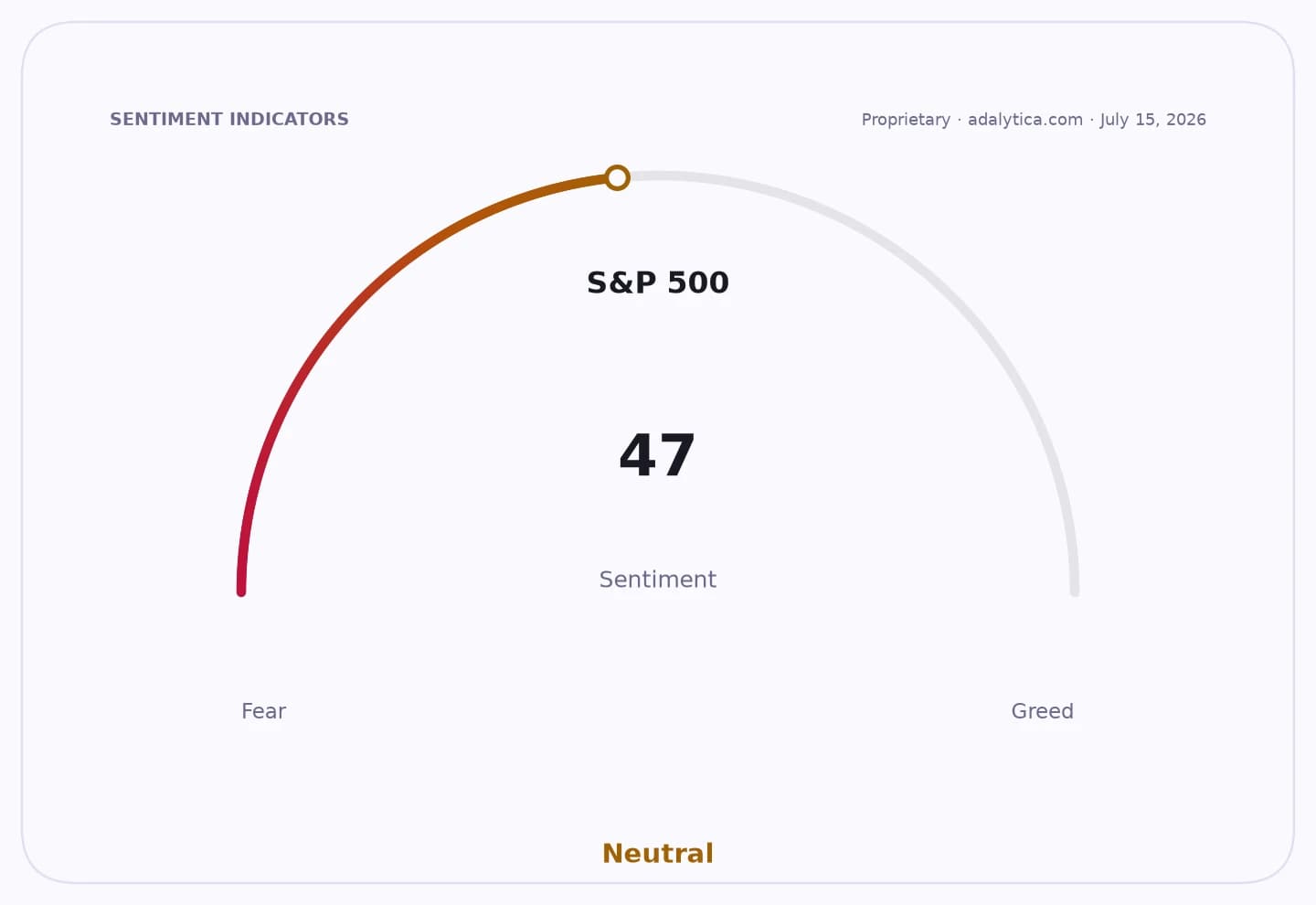
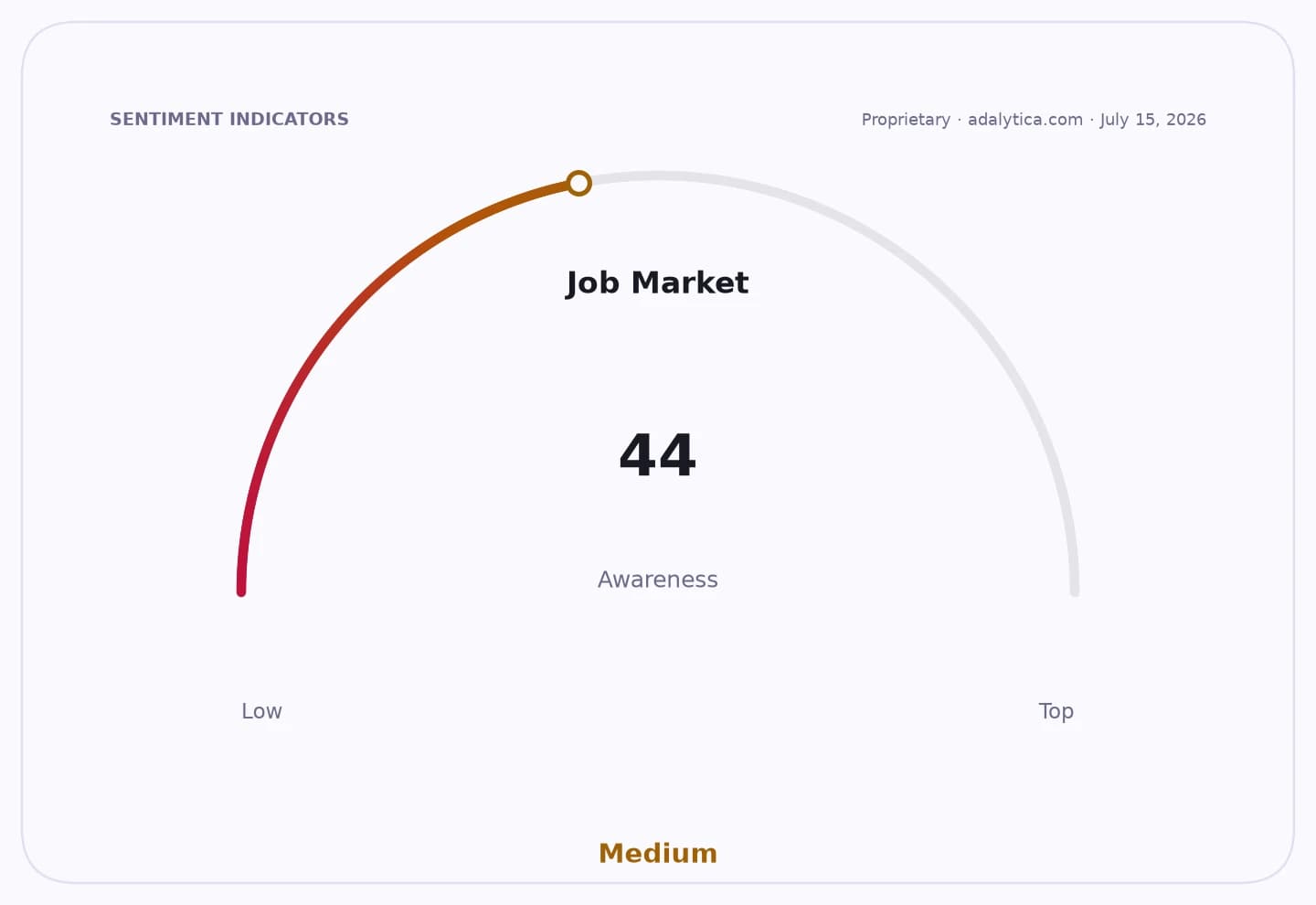
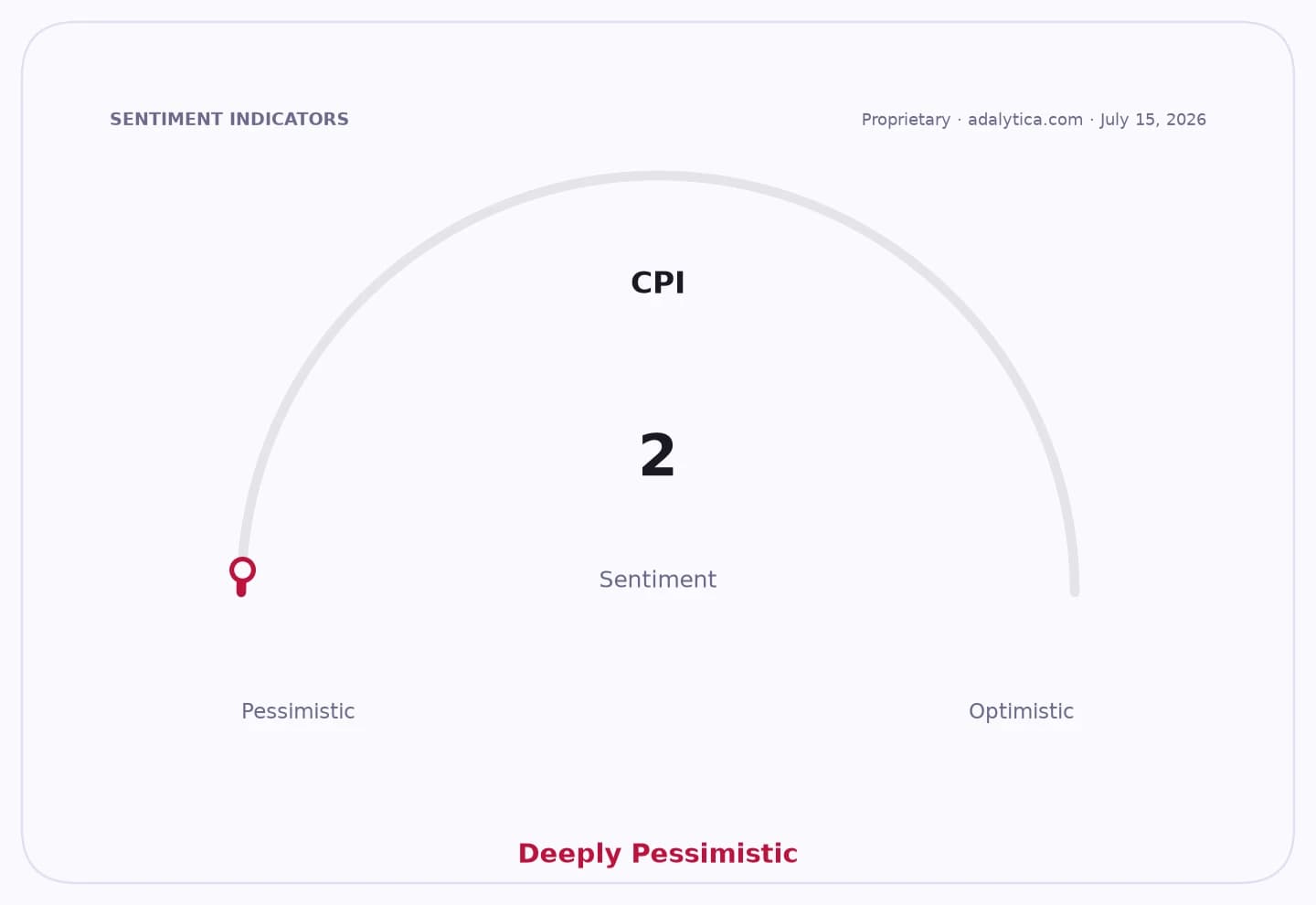
Sentiment IndicatorsⓘProprietary · adalytica.com · September 20, 2026
This is a snapshot — live sentiment, awareness and momentum for 130+ markets update continuously in the dashboard.Open AlphaPulse

The reaction was most visible in U.S. Treasuries. The 10-year yield briefly pushed above 5.00% early in the week before turning lower, a shift that quickly improved the tone across global assets. Lower yields eased pressure on rate-sensitive sectors and helped pull back the dollar from its recent strength. The move also fed a re-pricing of the Fed’s December meeting, with markets leaning toward what traders described as a more dovish rate hike — a scenario in which the central bank tightens again but with less appetite for further moves beyond that.
That change in rates pricing mattered because it cascaded through every major cross-asset trade. Gold and silver jumped as short positions were covered, reflecting both the lower-yield backdrop and the market’s growing view that policy may not need to stay as tight if energy prices keep easing. U.S. stocks recovered lost ground as the fear of sticky inflation receded, and the broader risk backdrop improved enough to draw money back into equities and other cyclical assets.
The yen, meanwhile, weakened even after the Bank of Japan delivered a 25-basis-point rate increase to 1.25%, because the vote was not unanimous and signaled that policymakers are not fully aligned on the durability of the recovery. That matters for markets because it suggests the BOJ is still moving cautiously, even as Governor Kazuo Ueda struck a hawkish tone and warned about second-round inflation effects from wages. The result was a roughly 1% drop in the yen against the dollar to around 157.50, largely erasing part of the currency’s earlier September gains.
Adalytica’s Fed policy sentiment indicator shows how aggressively traders have swung toward a more hawkish Fed narrative, but the market’s actual price action has moved in the opposite direction as crude prices cooled. That disconnect is important. It suggests investors are currently more focused on realized inflation dynamics than on central-bank messaging, and it leaves room for another sharp reversal if energy prices turn higher again or if upcoming U.S. data re-accelerates yields.
The contrast with earlier in the week was stark. Higher oil had initially pressured global equities, pushed the 10-year Treasury yield above 5%, and lifted concerns about sticky inflation. But once crude rolled over, the same market that had been bracing for more aggressive tightening began to price a softer outcome for December. That shift explains why Wall Street recovered, the dollar eased and safe-haven flows into gold intensified.
For investors, the key question now is whether the oil-led easing in financial conditions proves durable. If crude keeps falling, bond yields could extend their retreat and support a broader risk rally. If the decline in oil is temporary, the market may quickly return to a higher-for-longer setup, with renewed pressure on equities, the yen and long-duration assets. The next catalysts will be U.S. industrial production and leading indicators, along with any further move in energy prices that confirms or breaks the current narrative.
| Entity | Gains | Losses |
|---|---|---|
| Oil bears | ▲Lower inflation risk | ▼Energy bulls |
| Treasury bulls | ▲Lower yields, higher bond prices | ▼Yield-chasing dollar longs |
| Equity investors | ▲Easier risk backdrop | ▼Defensives and cash holders |
| Gold and silver bulls | ▲Short-covering rally | ▼Real-yield buyers |