Railroads are moving quickly to gauge the earnings hit from Nuevo León’s proposed higher charge for using tracks, a policy shift that could ripple through one of North America’s busiest industrial corridors and squeeze already capital-intensive carriers.
Nuevo León rail fee could lift North America costs

The stakes are bigger than a local fee dispute. Nuevo León sits at the heart of Mexico’s manufacturing and export machine, and any increase in track access costs would filter directly into operating margins for operators moving autos, metals, consumer goods and intermodal freight across the border. For investors, the issue matters because rail pricing power is rarely tested in isolation: when governments raise infrastructure charges, the burden can land on carriers, shippers or end customers depending on market conditions, and that can reshape freight economics across the region.
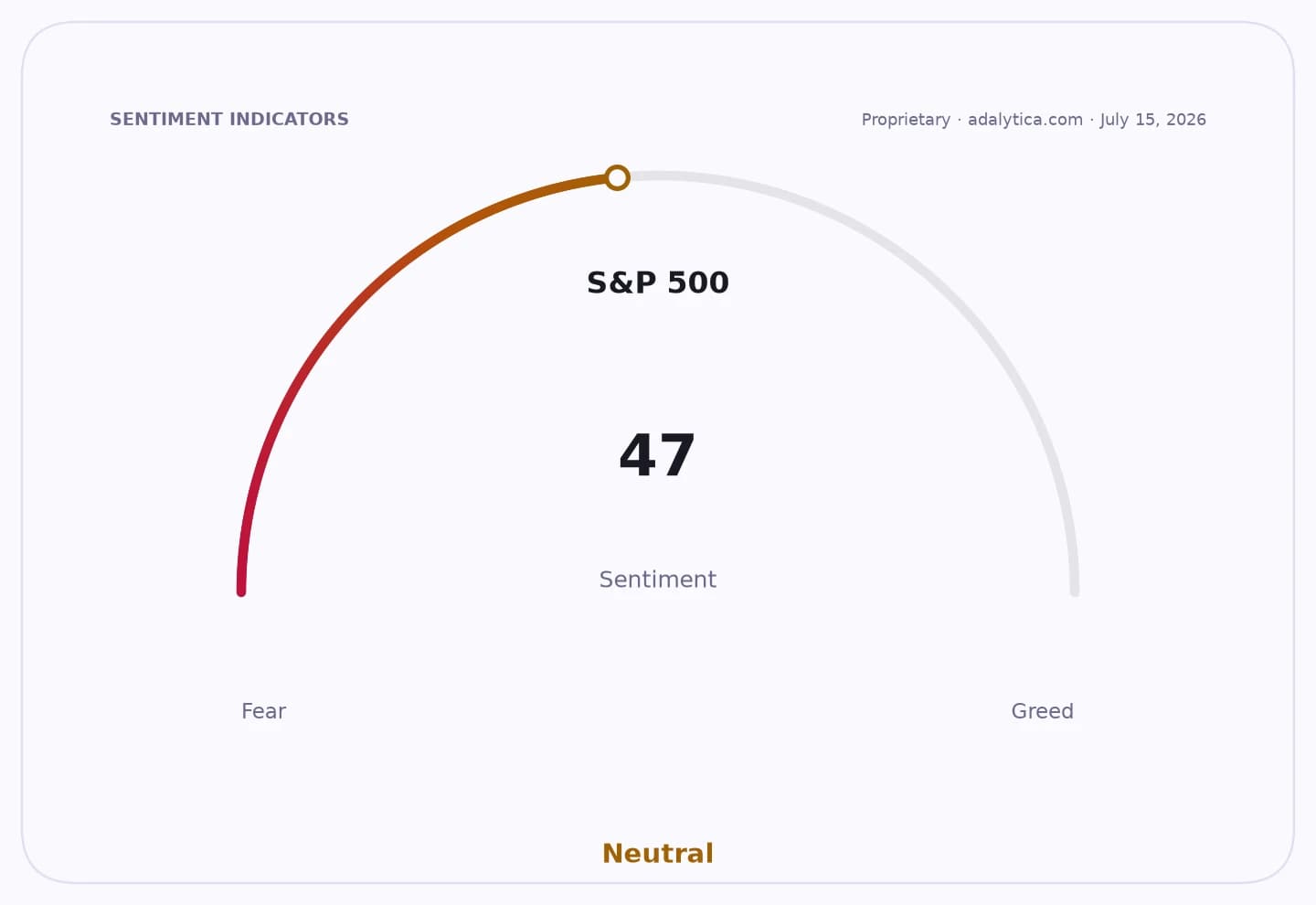
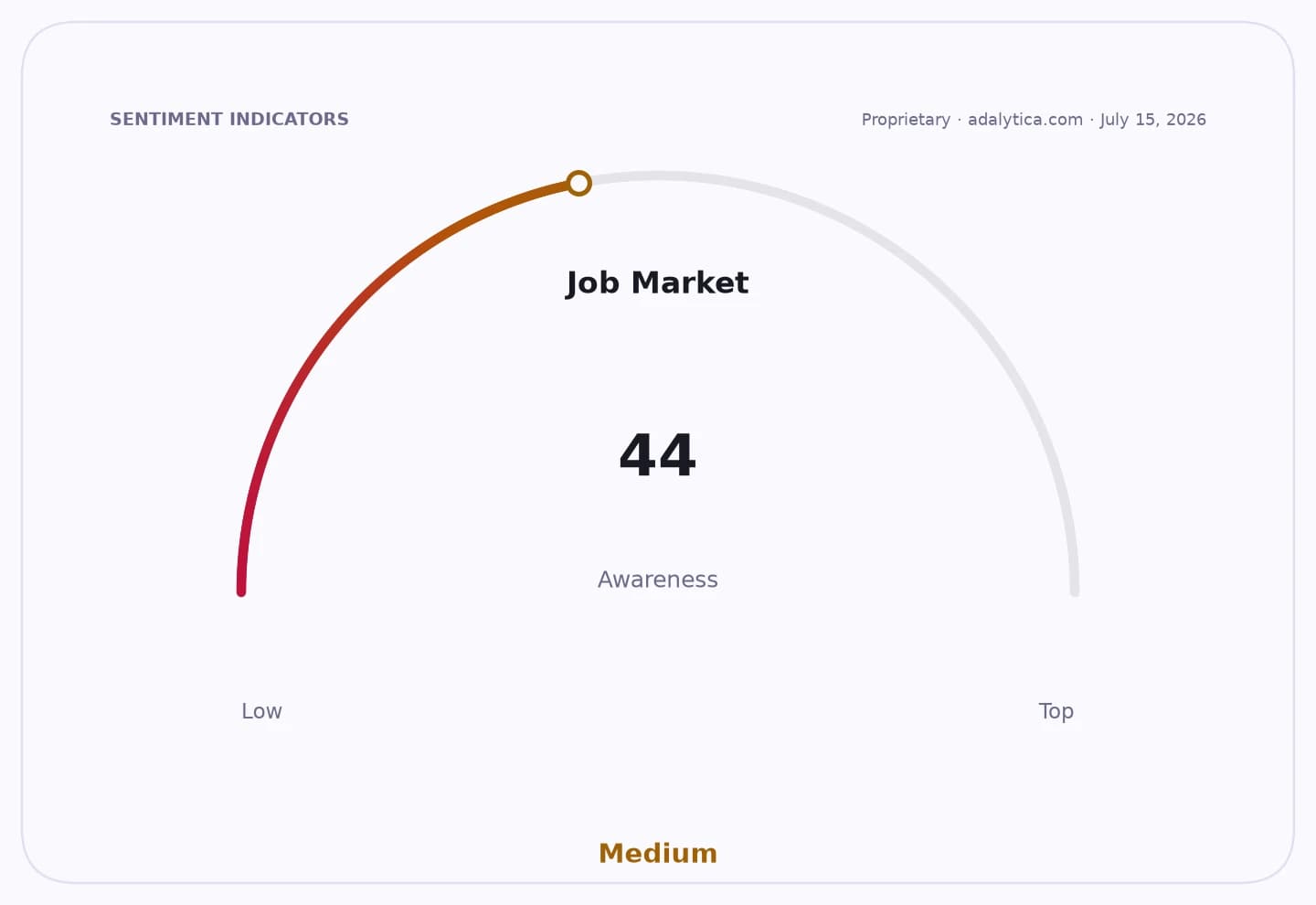
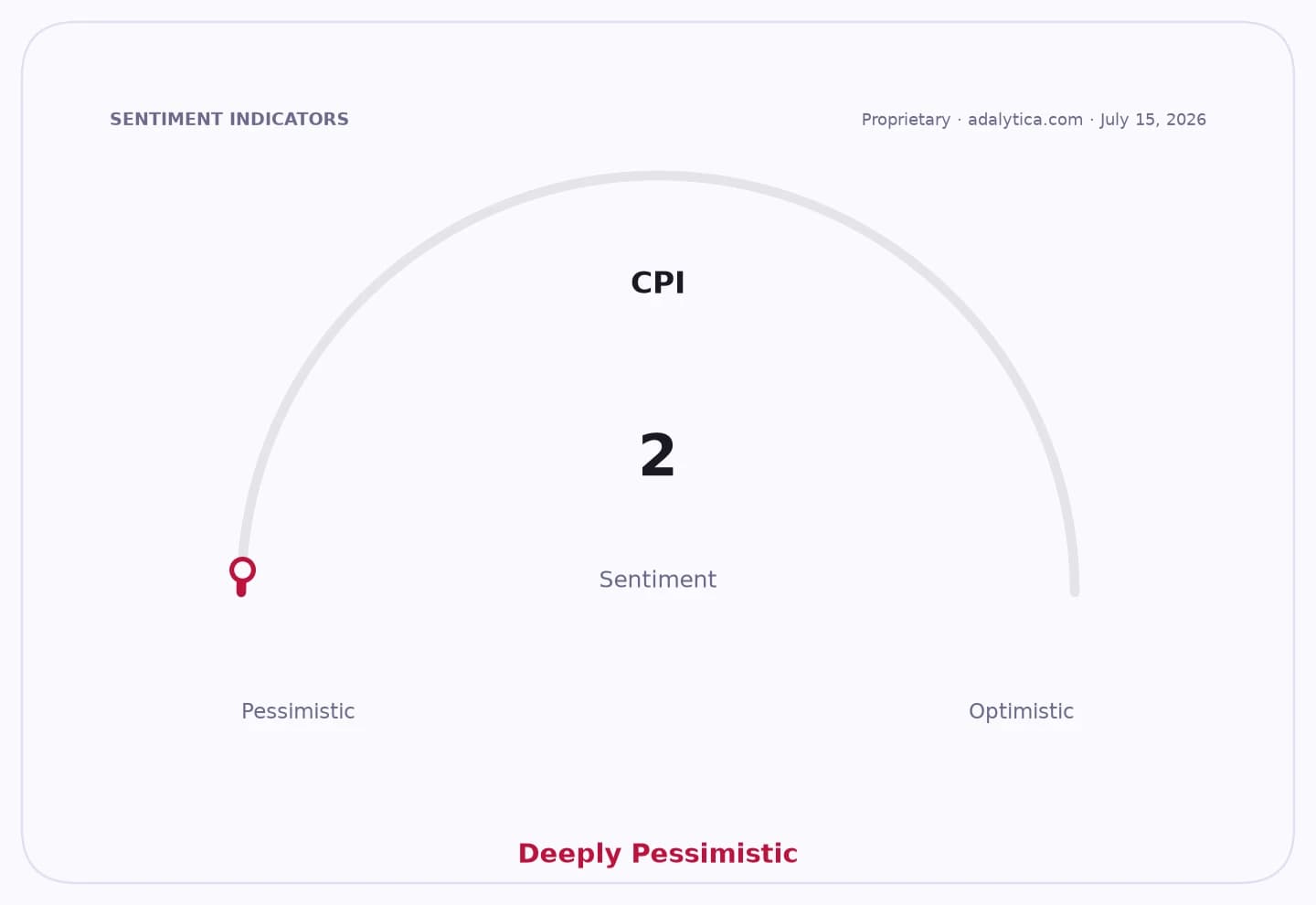
Sentiment IndicatorsⓘProprietary · adalytica.com · September 22, 2026
This is a snapshot — live sentiment, awareness and momentum for 130+ markets update continuously in the dashboard.Open AlphaPulse
The development comes as rail stocks are already trying to absorb a more volatile trading backdrop. Union Pacific has slipped to $269.63 from a recent high above $305, while Canadian National and Canadian Pacific have also pulled back from their own peaks. At the same time, technical readings show the sector has lost momentum, with Union Pacific’s RSI falling to 9.7 and Canadian Pacific’s to 30.7, underscoring how quickly sentiment can deteriorate when investors start pricing in margin pressure rather than volume growth.
That is why the proposed Nuevo León charge deserves attention beyond Mexico. Cross-border rail is a toll road for industrial trade, and tolls matter most when traffic is dense and indispensable. If the fee increase sticks, the immediate winners are the public coffers and any rival transport modes that can capture incremental freight. The likely losers are the rail operators most exposed to northern Mexico flows, along with shippers that may face higher logistics costs just as global manufacturing is still digesting tighter financial conditions and uneven commodity demand.
For Union Pacific, Canadian National and Canadian Pacific, the issue is less about one fee than about a broader margin equation: pricing, fuel, labor and access costs are all competing for the same revenue base. Railroads have been able to defend earnings because of their network advantages and pricing discipline, but that advantage narrows when governments start resetting the cost of using critical infrastructure. Investors should watch whether carriers can pass the charge through to customers or whether they are forced to absorb it in a corridor that is strategically important and difficult to bypass.
The market is still underestimating how policy decisions in Mexico can flow straight into North American freight valuations. If Nuevo León proceeds, the next catalyst will be guidance from the rail operators and any response from major shippers, which will determine whether this becomes a manageable pass-through or a fresh margin headwind. In our view, the cleaner trade remains the railroads with the strongest pricing power and least exposure to politically sensitive access fees, while the risk is concentrated in the carriers tied most closely to Mexico’s industrial export lane.
| Entity | Gains | Losses |
|---|---|---|
| Nuevo León treasury | ▲Higher fee revenue | ▼Shippers’ pushback |
| Rail operators | ▲Possible pass-through pricing | ▼Margin pressure |
| Industrial shippers | ▲Network continuity | ▼Higher logistics costs |
| Rival trucking modes | ▲Potential cargo diversion | ▼— |