Nigeria’s headline inflation cooled to 15.39% in August, but manufacturers say the relief is mostly cosmetic because energy, logistics, foreign exchange and tax costs are still squeezing production and margins.
Nigeria Inflation Falls to 15.39% in August
That gap between consumer inflation and factory reality is the story investors should care about. Lower headline inflation can improve sentiment, but it does not automatically restore profitability, revive capacity or unlock capital spending when the cost of making goods remains elevated. For Nigerian industry, the real inflation metric is the one not yet falling: the cost of turning inputs into saleable products.
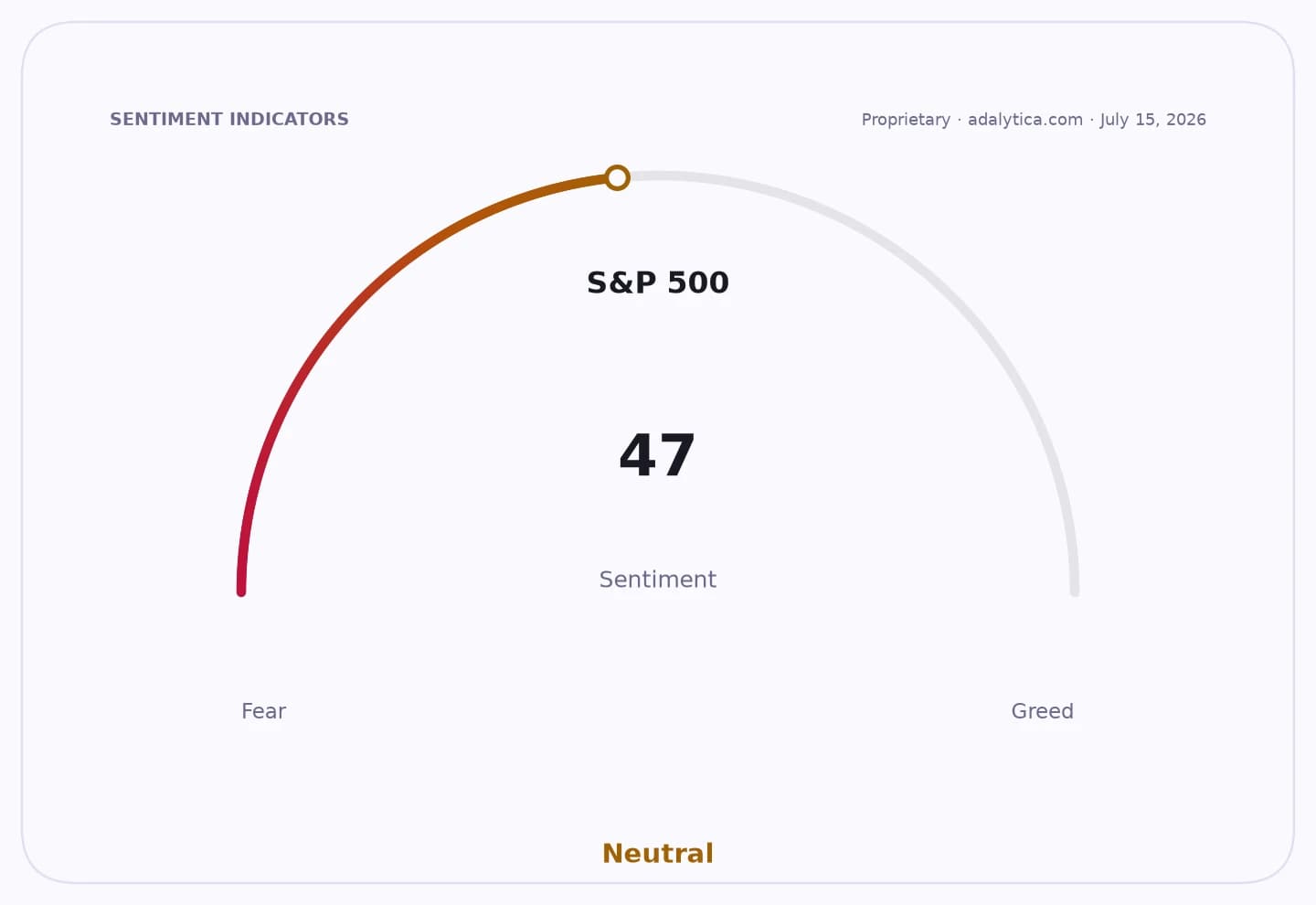
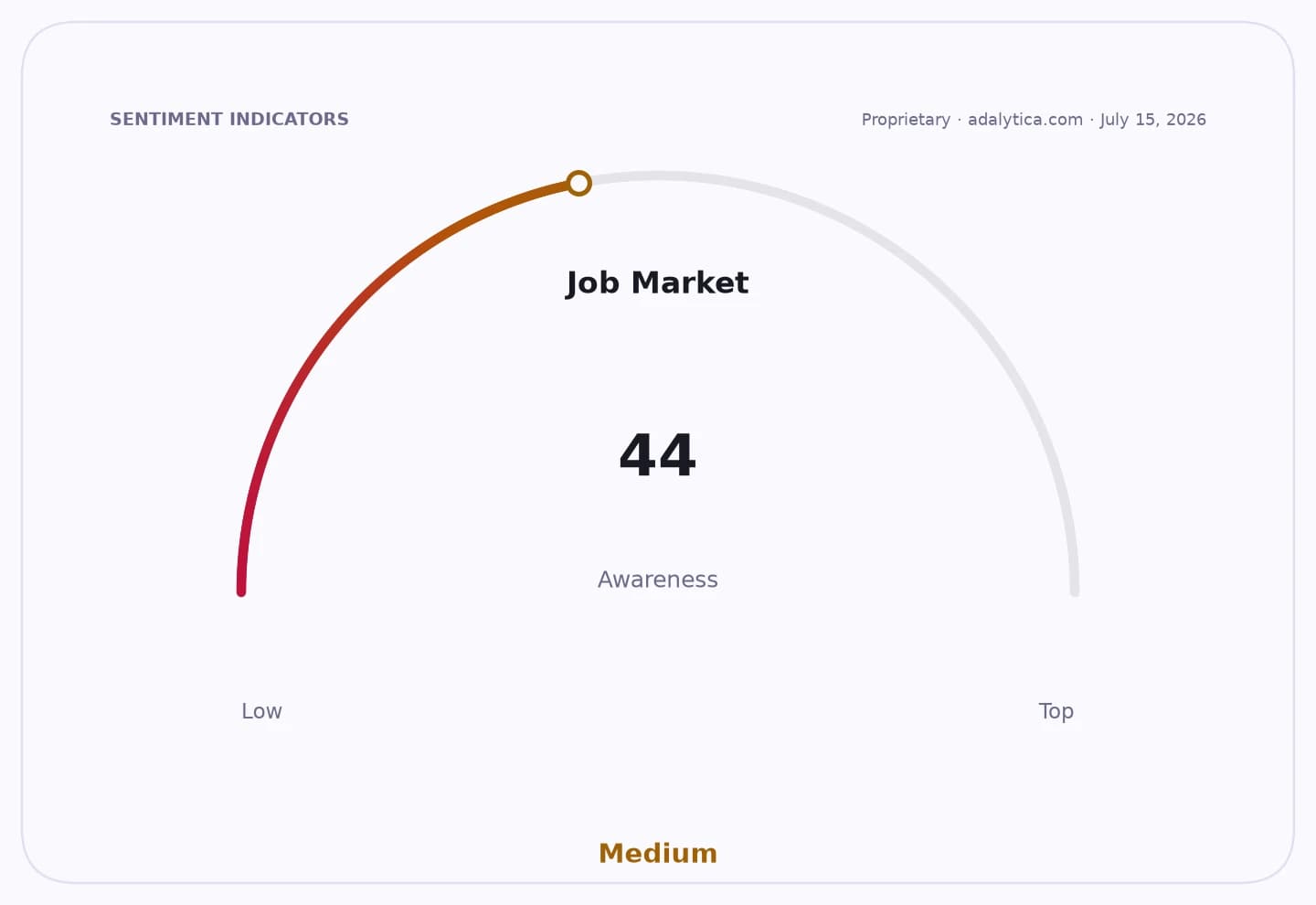
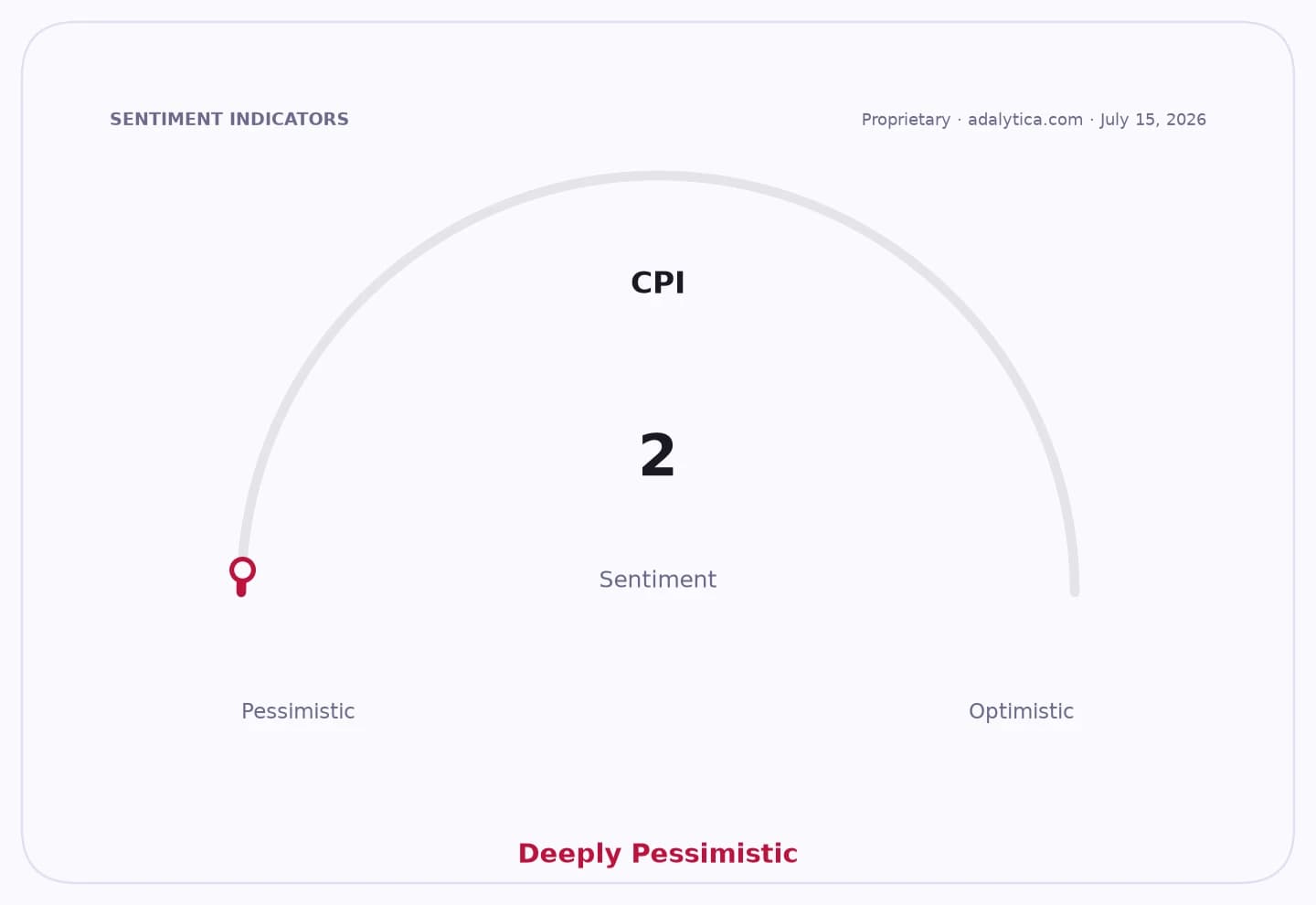
Sentiment IndicatorsⓘProprietary · adalytica.com · September 20, 2026
This is a snapshot — live sentiment, awareness and momentum for 130+ markets update continuously in the dashboard.Open AlphaPulse
The Manufacturers Association of Nigeria said the 0.04 percentage point decline from July offers some help for planning, investment and consumers, but remains fragile. More importantly, it argued, a softer inflation print does not mean production costs are declining. Firms are still contending with expensive power, broken logistics, a weaker naira in input pricing, higher raw-material bills and multiple levies from different layers of government.
That matters because manufacturers cannot fully pass on costs in an economy where purchasing power is still thin. The result is a squeeze on margins, higher working-capital needs and more caution around new investment. When every additional shift or batch of imported input becomes commercially harder to justify, capacity utilisation stalls — and so does the broader industrial recovery.
The implications extend beyond corporate balance sheets. If local producers remain structurally uncompetitive, imports gain ground, employment growth slows and Nigeria’s push for more domestic value addition loses momentum. In other words, headline inflation can ease while the manufacturing base keeps getting weaker underneath it.
The policy message is clear: inflation moderation is only the opening, not the finish line. The real catalyst for a manufacturing rebound would be cheaper and more reliable power, lower financing costs, faster transport links, fewer overlapping levies and stronger local sourcing. Without those fixes, the August inflation data may offer comfort to macro forecasters, but it will not change the arithmetic for factory owners.
For investors, the takeaway is to look past the consumer price headline and focus on businesses that benefit from structural cost pressure — power, logistics, industrial infrastructure and local supply-chain substitution — while staying cautious on manufacturers exposed to imported inputs and weak pricing power.
| Entity | Gains | Losses |
|---|---|---|
| Power and grid-linked operators | ▲Higher demand for reliable supply | ▼Manufacturers facing costly energy |
| Logistics and transport reform winners | ▲Potential policy tailwind | ▼Firms paying high freight costs |
| Local input suppliers | ▲More patronage if import dependence falls | ▼Import-heavy manufacturers |
| Nigerian manufacturers | ▲Slight inflation relief | ▼Margin pressure, weak competitiveness |