Nigeria’s heavy reliance on domestic borrowing is tightening the squeeze on bank balance sheets, threatening to keep more capital parked in government securities instead of flowing into businesses that need long-term credit.
Nigeria banks hold more government debt than loans

That matters because the country’s banking sector has just come through a major recapitalisation, but the extra capital may not translate into more lending if federal debt continues to offer easy returns. Short-term government paper is yielding around 20%, making it a powerful competitor to private loans just as the economy needs financing for manufacturing, SMEs and infrastructure.
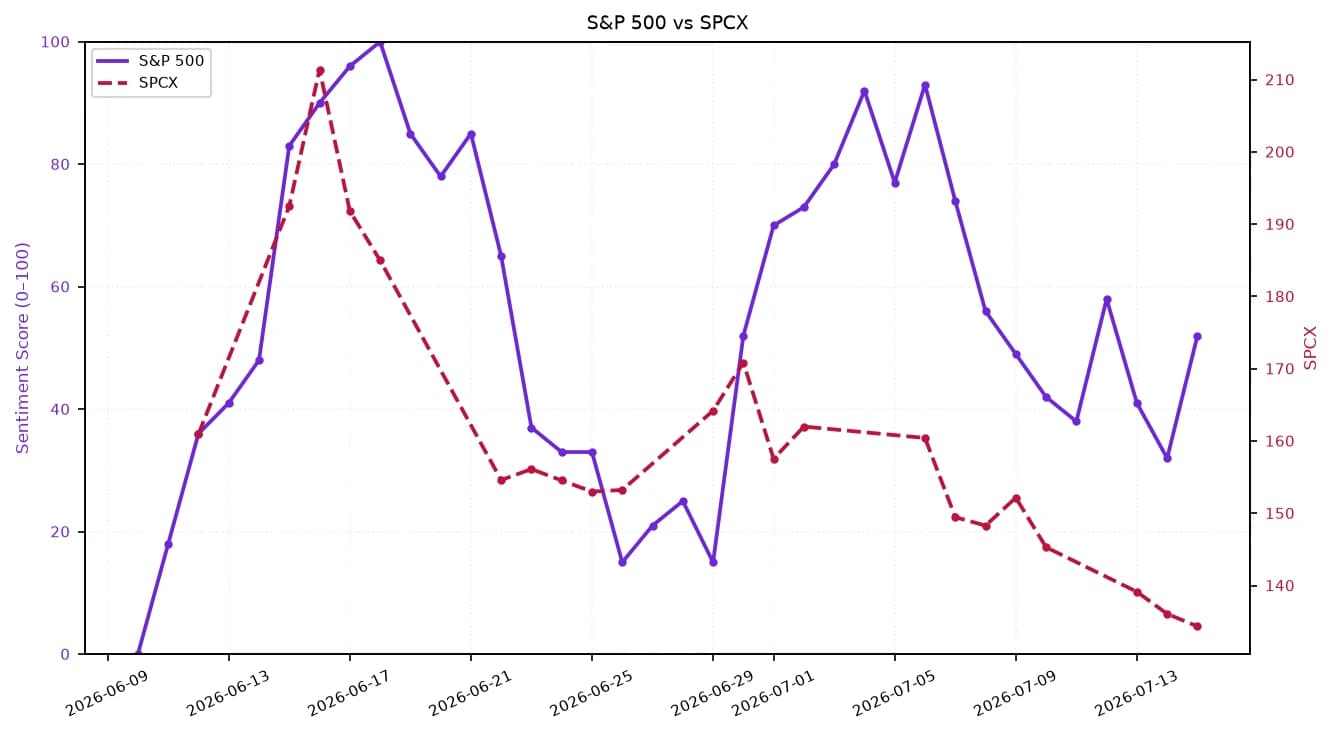
Sentiment IndicatorsⓘProprietary · adalytica.com · September 20, 2026
This is a snapshot — live sentiment, awareness and momentum for 130+ markets update continuously in the dashboard.Open AlphaPulse
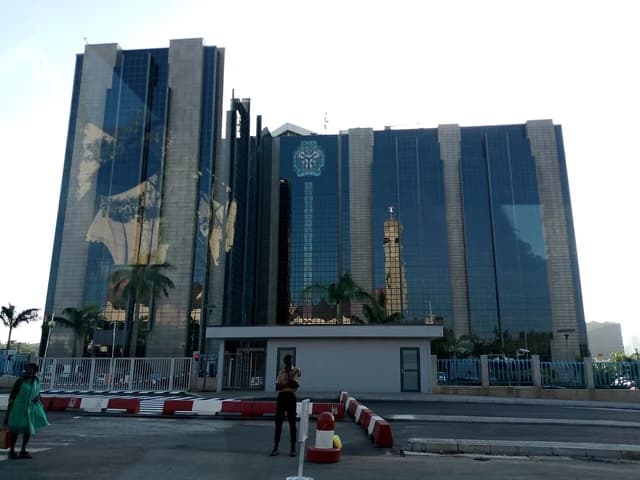
The International Monetary Fund has already flagged the issue in its 2026 Article IV assessment, saying banks’ holdings of government securities amount to about 22% of total bank assets and can restrain private-sector credit growth. The fund also expects private credit to rise 14.2% in 2026, but the pace remains vulnerable to how much of the banking system’s balance sheet is absorbed by sovereign debt.
Private-sector credit did edge higher to about ₦83.43 trillion in July from ₦81.04 trillion in May, but it remained below a record ₦94.61 trillion in February. That gap underscores the tension facing lenders: banks want to protect returns and limit credit risk, but government borrowing is increasingly offering them a safer, high-yield alternative to lending to companies.

Economically, the crowding-out risk is straightforward. When the government taps the domestic market to finance large fiscal deficits, it competes directly with private borrowers for bank funds, potentially pushing up borrowing costs for manufacturers, property developers and smaller firms. That can delay investment, cap production, weaken expansion plans and reduce the pace of job creation.
The shift also has implications for the broader debt market. Elevated yields are drawing in domestic banks, pension funds and insurers, while also attracting foreign investors looking for attractive risk-adjusted returns. For the government, domestic borrowing is often cheaper and more available than external financing, especially when foreign funding is constrained, but the trade-off is a tighter credit environment for the private sector.
Analysts and academics say the risk is not that banks are failing to lend, but that the most attractive assets on offer remain sovereign. As long as government paper offers strong returns with low credit risk, lenders may prefer it over the more labor-intensive business of assessing and monitoring private loans.
The next test is whether recapitalised banks will use their expanded balance sheets to support productive lending or continue to channel a substantial share into treasury bills and bonds. Investors will be watching the pace of private credit growth, future bond auctions and any sign that fiscal borrowing is easing enough to free up capital for the real economy.
| Entity | Gains | Losses |
|---|---|---|
| Nigerian government | ▲Cheaper domestic funding | ▼Private-sector credit capacity |
| Banks | ▲High-yield low-risk assets | ▼Loan growth to businesses |
| Manufacturers and SMEs | ▲Potentially none | ▼Affordable long-term financing |
| Pension funds and foreign investors | ▲Attractive sovereign yields | ▼Higher risk in private credit channels |