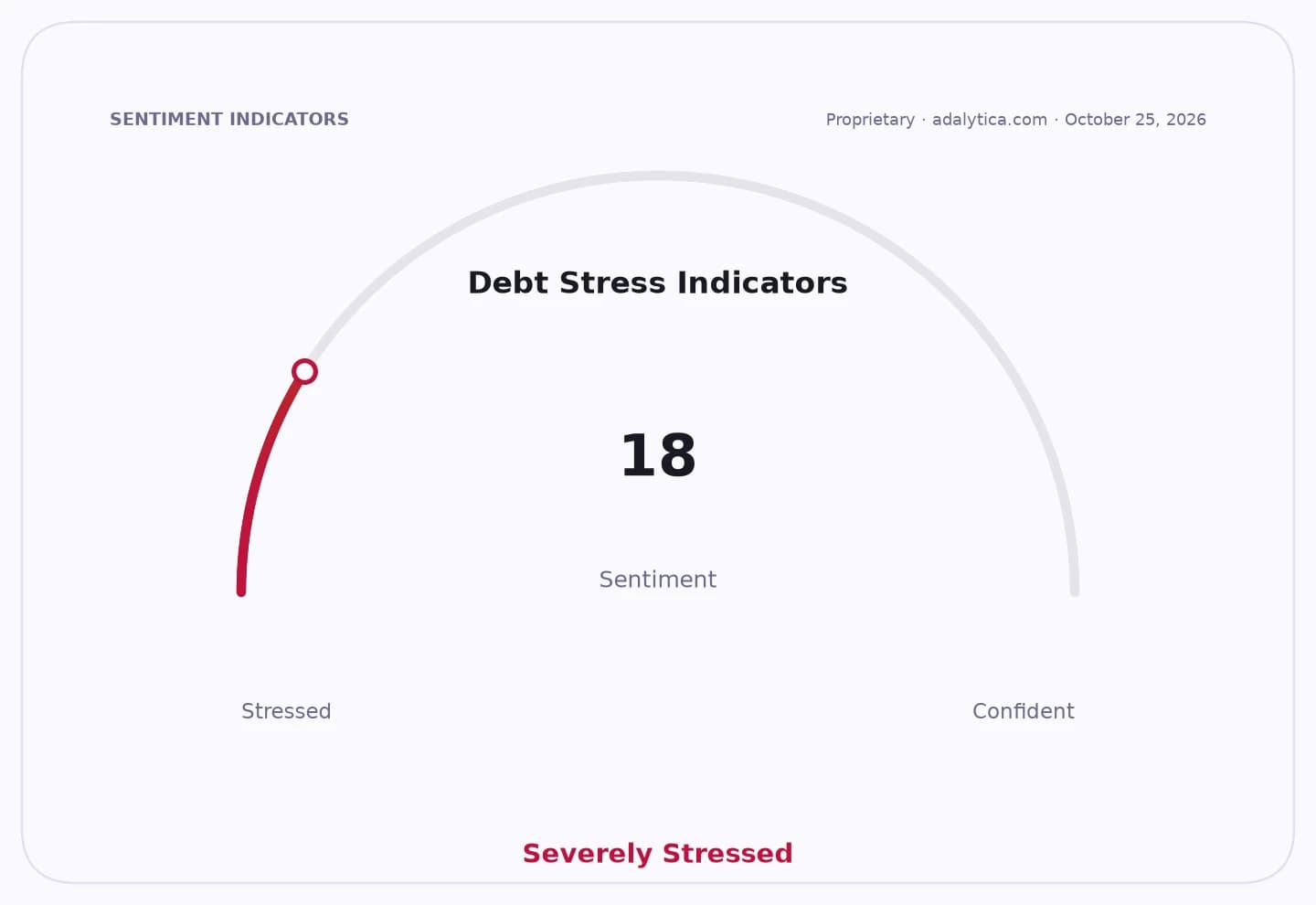
People in the Netherlands seeking debt help will now be able to enter counseling faster, with bailiffs agreeing to pause or delay enforcement while a formal support process begins — a change that could reduce stress for households already under heavy financial pressure and improve the odds of reaching workable repayment plans.
Netherlands bailiffs pause enforcement for debt help
The agreement between five bailiff offices, including four of the country’s largest, and the NVVK debt counseling association addresses a key bottleneck in the Dutch debt system: enforcement often starts before a borrower has had a chance to stabilize their affairs. Under the new arrangement, if a debtor turns to one of the participating counselors, the bailiffs automatically sign off on the process before taking collection measures, and any existing seizures are put on hold while the debt situation is assessed.
That matters economically because debt distress is not just a legal problem but a drag on household consumption, labor market stability and public finances. When wages or bank accounts are seized quickly, borrowers often lose the breathing room needed to negotiate a realistic plan. By creating more time for structured intervention, the deal increases the chance that creditors recover something through orderly repayment rather than through fragmented, escalating enforcement.
The scale of the issue is significant. More than 700,000 people seek debt help each year in the Netherlands, with average debts of about 40,000 euros and roughly 12 to 13 creditors apiece. Yet only around 18,000 end up with a formal arrangement through a counselor, underscoring how difficult it has been to convert early contact into a durable solution. For lenders and collection agencies, the new framework offers a more coordinated route that may improve recovery rates over time, even if it slows some immediate enforcement.
For investors and companies exposed to consumer credit, the wider message is that debt resolution is moving toward earlier intervention and less abrupt collections. That can support portfolio performance by preventing accounts from sliding deeper into default, but it may also trim the speed and intensity of collections. The shift comes as Dutch authorities and institutions broaden efforts to tackle indebtedness, including new funding for people at risk of falling into debt and fresh coordination with landlords and energy providers.
The main risk is that the arrangement remains limited if other bailiff offices do not join. If adoption stays partial, borrowers may still face uneven treatment depending on which creditor is involved. But if the model spreads, it could become a template for a more preventive Dutch debt system — one that prioritizes stability before enforcement and may ultimately be cheaper for both households and creditors.
| Entity | Gains | Losses |
|---|---|---|
| Indebted households | ▲More time to stabilize | ▼Faster asset seizure |
| Debt counselors / NVVK | ▲Earlier access to cases | ▼Less room for ad hoc fixes |
| Participating bailiff offices | ▲Better recovery coordination | ▼Slower immediate enforcement |
| Creditors with unsecured claims | ▲Higher chance of repayment plan | ▼Short-term collection speed |