Emeis said its latest quarter showed solid occupancy trends, but investors are still waiting for clarity on the company’s debt burden, leaving the stock’s real valuation driver unresolved.
Emeis occupancy improves as debt focus remains
For a healthcare and nursing-home operator such as Emeis, occupancy is the most immediate gauge of operating momentum: fuller facilities usually support revenue, cash generation and pricing power. But after a period of balance-sheet strain across parts of Europe’s care and real-estate sectors, the market is likely to focus less on the near-term operating recovery than on whether that improvement is enough to ease leverage and refinancing risk.
That tension explains why the quarter matters. Stronger occupancy can help stabilize earnings before interest, taxes, depreciation and amortization, and it can improve lenders’ confidence if the trend proves durable. Yet high debt remains the central issue because even a steady operational rebound may not translate into equity value if financing costs absorb the benefit. In other words, the quarter may confirm that the business is functioning better, but it does not by itself settle the capital structure question.
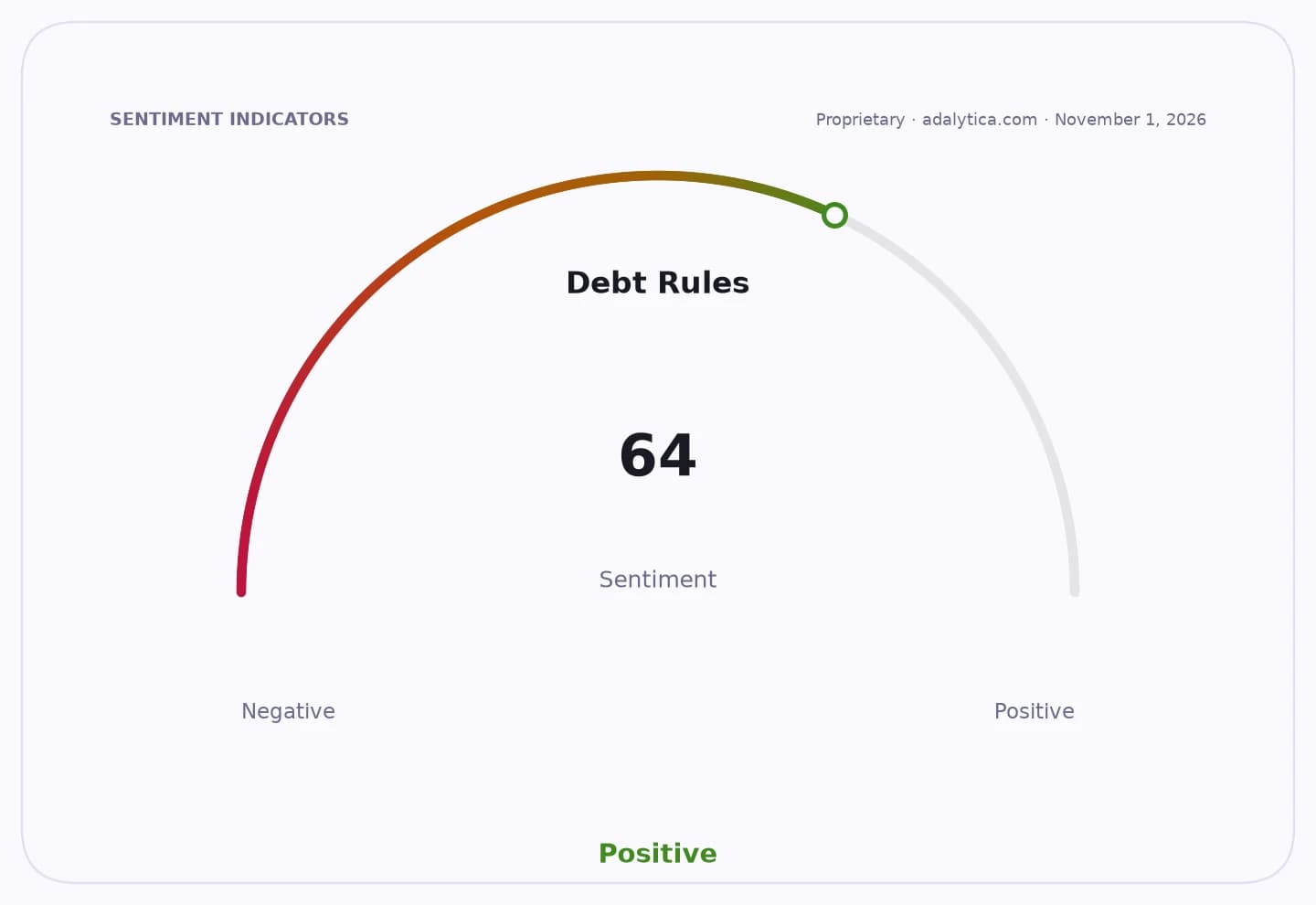
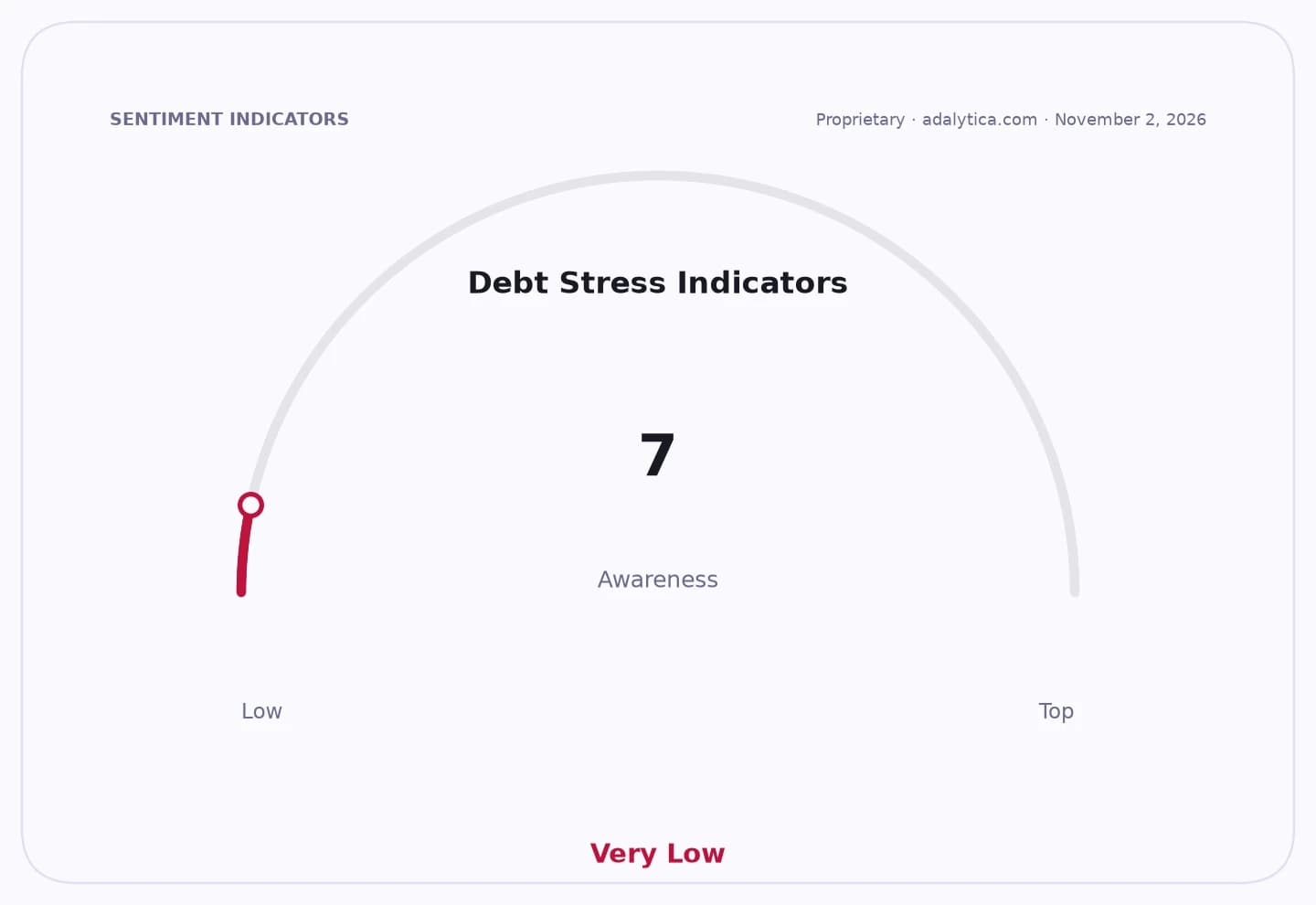
The broader setting is not especially forgiving. European debt conditions are still drawing attention, and policy sentiment around fiscal and credit stress has deteriorated sharply, underscoring how sensitive leveraged borrowers remain to funding costs and market confidence. Against that backdrop, companies with large liabilities have less room for error: any delay in deleveraging, asset sales or refinancing negotiations can quickly outweigh better trading performance.
For investors, the story is now a balance-sheet story more than an operating story. The bullish case is that Emeis is showing traction in a core metric that should support cash flow and improve negotiating leverage with creditors. The bearish case is that occupancy gains may simply slow the rate at which debt pressure erodes equity value, rather than remove the risk altogether. Until management provides a clearer roadmap on liabilities, the shares are likely to trade on financing headlines as much as on operational ones.
The next catalyst is likely to be the company’s guidance on debt management, refinancing timing and any asset-disposal or restructuring steps. If those pieces fall into place, the occupancy recovery could start to matter more to valuation. If not, the market may continue to treat the improvement as necessary but insufficient.
| Entity | Gains | Losses |
|---|---|---|
| Emeis | ▲Stronger occupancy | ▼Debt overhang |
| Equity holders | ▲Better operating momentum | ▼Refinancing uncertainty |
| Creditors | ▲Improved cash-flow visibility | ▼Greater restructuring risk |
| Competitors | ▲— | ▼Pressure from a stabilizing rival |