Singapore-based STT GDC is lining up a $3.1 billion syndicated loan, and that matters because the AI buildout is increasingly being funded with borrowed money rather than just operating cash flow. For investors, that is the big story: the data-center frenzy is now a credit story as much as an equity story, and the terms of that debt will help set the price of the next wave of AI infrastructure.
STT GDC Lines Up $3.1 Billion Syndicated Loan
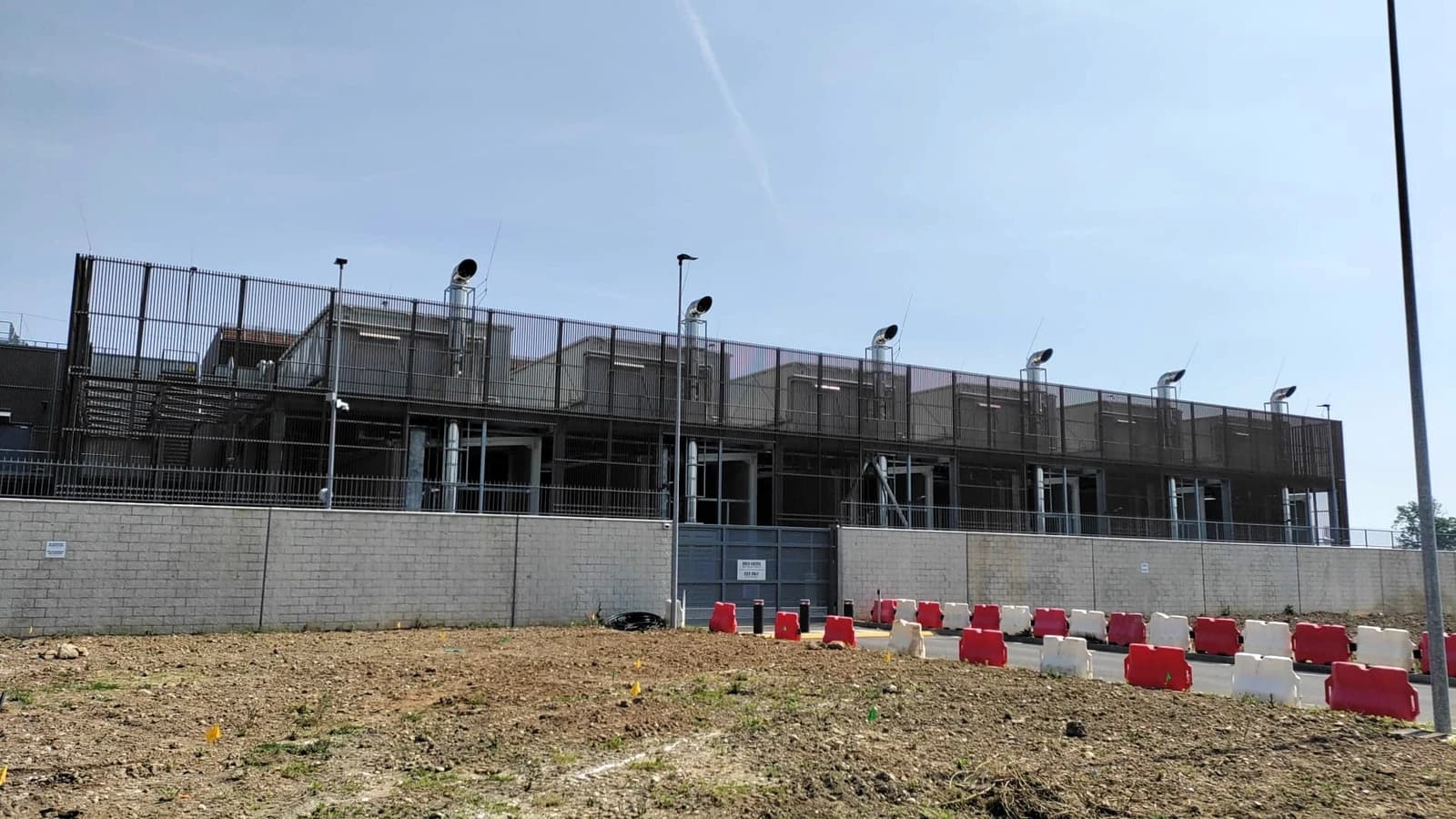
The three-year loan, with an option to extend by up to two years, would pay a margin of 165 basis points over the Singapore Overnight Rate Average, according to sources familiar with the talks. Standard Chartered, UOB, OCBC and DBS are among the banks working on the deal. Proceeds would finance STT GDC’s assets, the sources said.
Sentiment Indicators
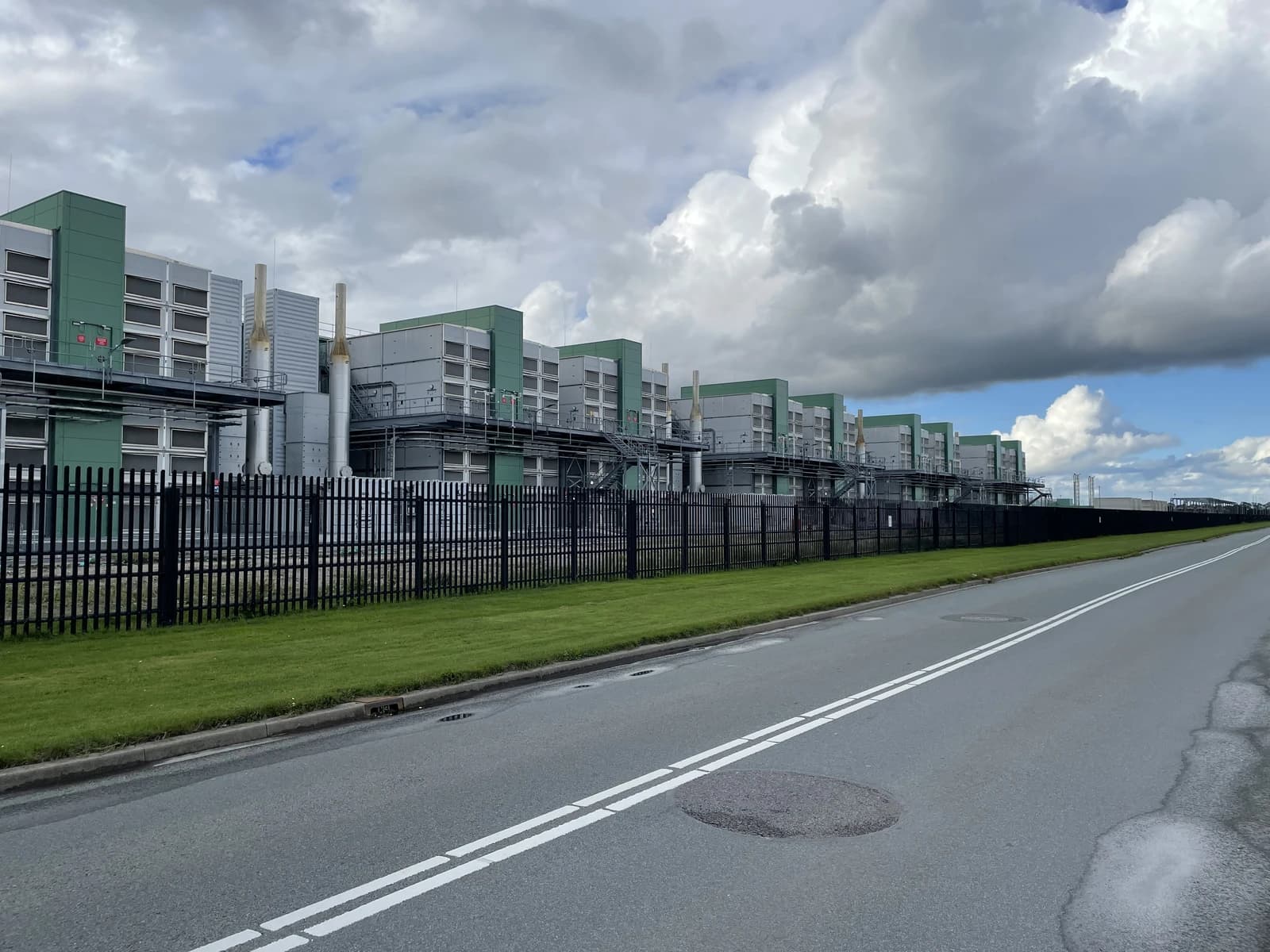
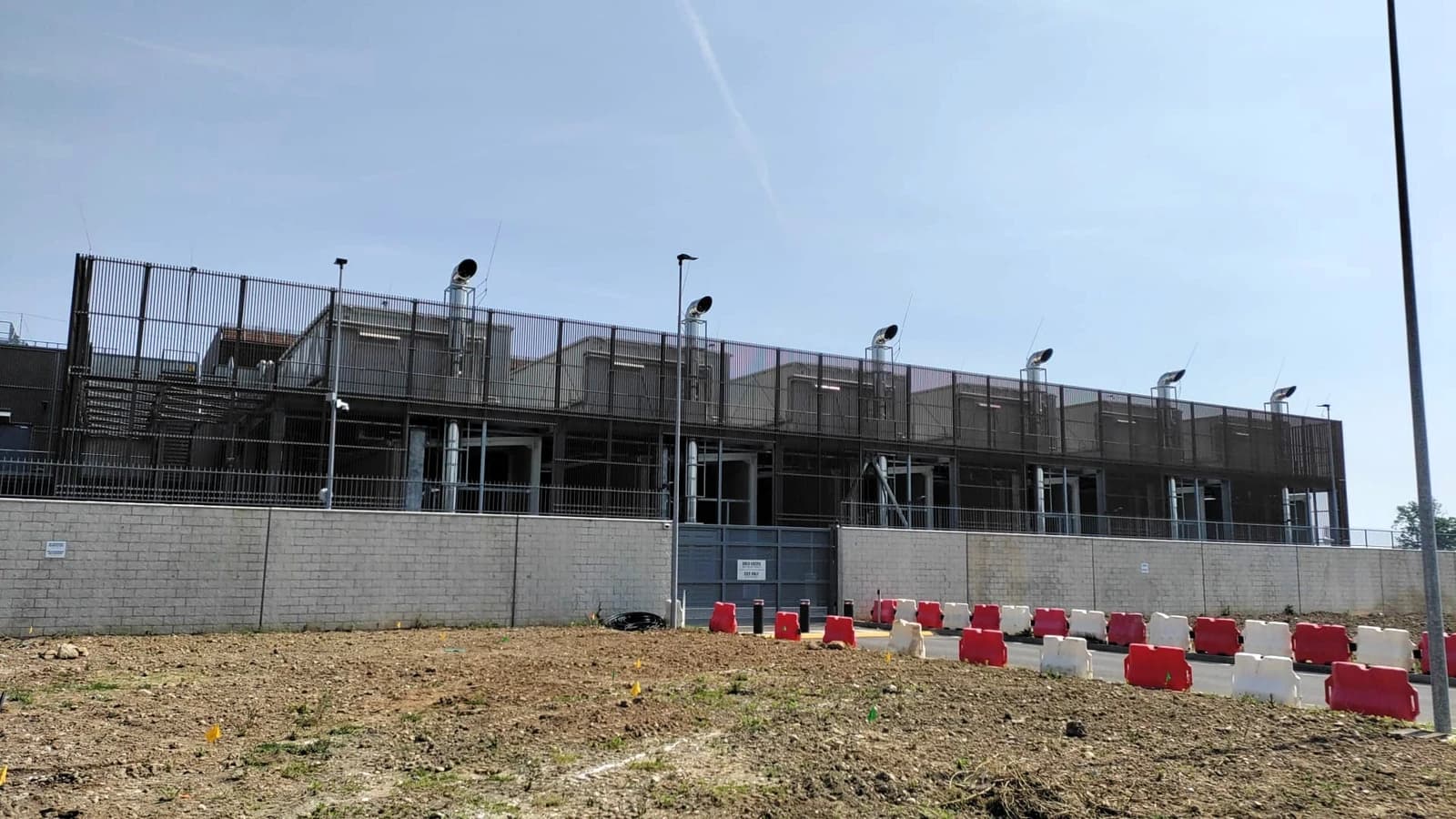
That is notable because STT GDC sits at the heart of one of the most capital-hungry corners of the AI economy. Data centers are the factories of artificial intelligence, and factories are expensive. Moody’s expects at least $3 trillion of data-center-related investment over the next five years, while Bloomberg data show the AI borrowing binge has already flooded markets with more than $650 billion of debt since the start of 2025.
The deal also extends a familiar pattern: private owners and infrastructure funds are leaning on leverage to scale rapidly in a market where demand is still outrunning supply. KKR and Singtel completed their acquisition of STT GDC in September, after agreeing to buy the company for $6.6 billion. DBS, OCBC and UOB also helped arrange a $5 billion sustainability-linked loan tied to the acquisition. In other words, this is not a one-off financing; it is part of a rolling capital program to expand a strategically important asset base.
For investors, the opportunity is clear. If the AI buildout keeps compounding, companies that own or finance the underlying infrastructure can produce durable cash flows for years. That includes data-center operators, the banks that lend to them, and the suppliers that benefit from a long runway of construction spending. But the risk is equally clear: when a hot theme becomes a debt theme, returns can get squeezed if occupancy, pricing or power access disappoint.
That is why this matters beyond STT GDC itself. Rising bond supply can push yields higher, tighten credit conditions and make every AI project more expensive. It also raises the bar for proving that today’s capital spending will turn into tomorrow’s earnings. That is especially important for long-term investors who may be tempted to treat AI infrastructure as a straight-line growth story.
The smarter way to view this is as a years-long infrastructure cycle, not a one-quarter headline. The winners are likely to be the operators with scarce land, power and connectivity, plus the lenders and contractors able to underwrite risk prudently. The losers are the more speculative names that need perpetual refinancing or are buying growth at any price.
For investors building long-term portfolios, the lesson is simple: keep AI exposure broad, focus on balance sheets as much as growth rates, and remember that the best compounding stories usually survive because they can fund themselves. STT GDC’s loan is worth watching — not because it is the biggest AI financing yet, but because it shows how much debt this boom now needs to keep moving.
| Entity | Gains | Losses |
|---|---|---|
| STT GDC | ▲Faster expansion | ▼Higher leverage |
| Banks led by StanChart | ▲Lending fees | ▼Credit exposure |
| AI data-center sector | ▲More buildout capital | ▼Rising funding costs |
| Equity investors | ▲Growth runway | ▼Refinancing risk |