Mastercard is moving to make AI agents a new kind of shopper, a shift that could reshape how payments are made online and who captures the value when software, not people, decides what to buy.
Mastercard Moves Into AI Agent Shopping
That matters because if consumers increasingly delegate shopping to AI assistants, the real gatekeepers become the payment networks, not the storefronts. Mastercard’s decision to work with AI-driven commerce follows a similar push from Visa, signaling that the card networks want to sit at the center of a future where bots search, compare and check out on behalf of users.
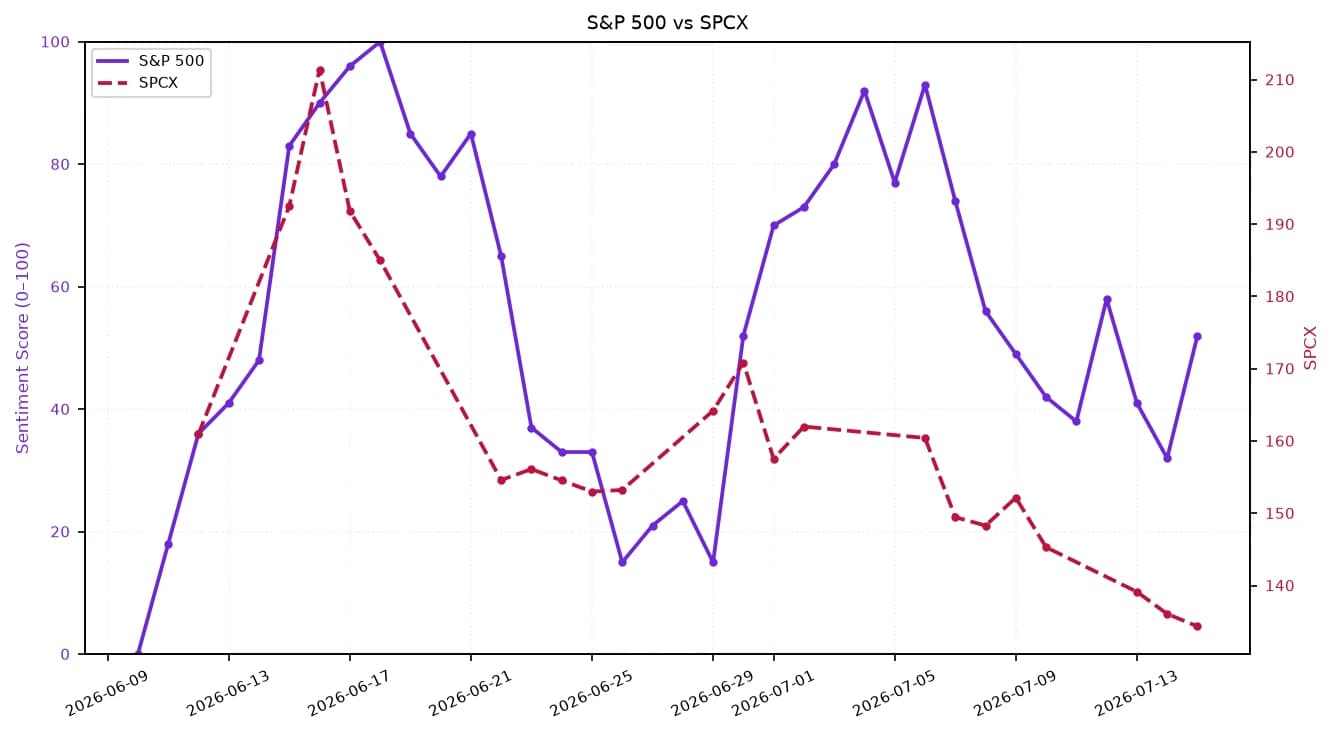
Sentiment IndicatorsⓘProprietary · adalytica.com · September 20, 2026
This is a snapshot — live sentiment, awareness and momentum for 130+ markets update continuously in the dashboard.Open AlphaPulse
For investors, the appeal is obvious: every transaction that runs through Mastercard’s rails can still produce fees, even if the buyer is no longer clicking through a traditional ecommerce flow. The risk is just as clear. If AI commerce takes hold, merchants, platforms and processors will have to adapt quickly to a world where checkout becomes invisible and customer loyalty may be driven by algorithms rather than brands.
The move also reinforces a broader industry race to make payments more programmable and secure. Letting AI agents shop raises fresh questions about authorization, fraud prevention and consumer trust, which explains why Amazon has been emphasizing safeguards as it rolls out more AI tools. Any system that gives software the power to buy on behalf of a person will need strong controls around identity, limits and dispute resolution.
Mastercard’s stock has been consolidating below its 50-day moving average, while the relative strength index has drifted into weaker territory, but the long-term story is still intact: the company remains one of the most durable toll collectors in global commerce. Visa’s parallel move shows this is not a one-off experiment but an emerging payments standard.
For long-term investors, the real takeaway is that AI shopping may expand the total number of transactions flowing through the card networks, not bypass them. The winners are likely to be the companies that make those transactions seamless and trusted; the losers are likely to be the intermediaries that get left out of the checkout moment. This is worth watching closely, and patient investors can keep it on the watchlist.
| Entity | Gains | Losses |
|---|---|---|
| Mastercard | ▲More payment flow | ▼More fraud scrutiny |
| Visa | ▲Early AI commerce role | ▼Checkout intermediaries |
| Amazon and merchants | ▲Higher conversion potential | ▼Less direct customer control |
| Consumers | ▲Faster, hands-free shopping | ▼More reliance on safeguards |