Malaysia’s expanded electricity bill protection is set to free up household cash flow for about 8 million domestic users, giving families more room to absorb still-elevated living costs ahead of the year-end holiday season.
Malaysia electricity bill protection aids 8 million households
The policy, which covers households using up to 800 kilowatt-hours a month, can cut bills by as much as RM47.25 a month for that usage level, according to Ahmed Razman Abdul Latiff, director of the MBA & DBA Program at Putra Business School. Households consuming 600 to 750 kWh monthly could save roughly RM33 to RM44.
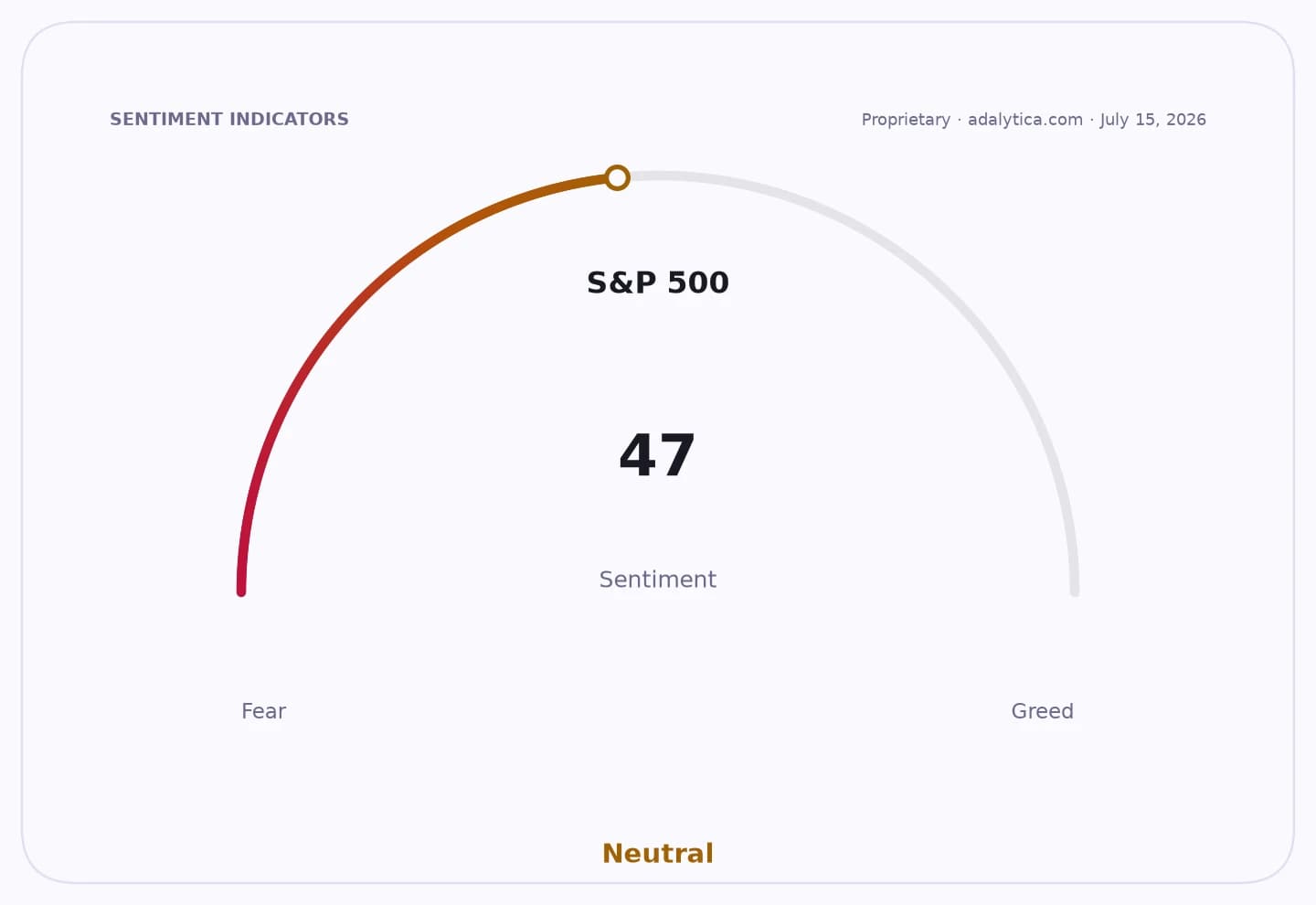
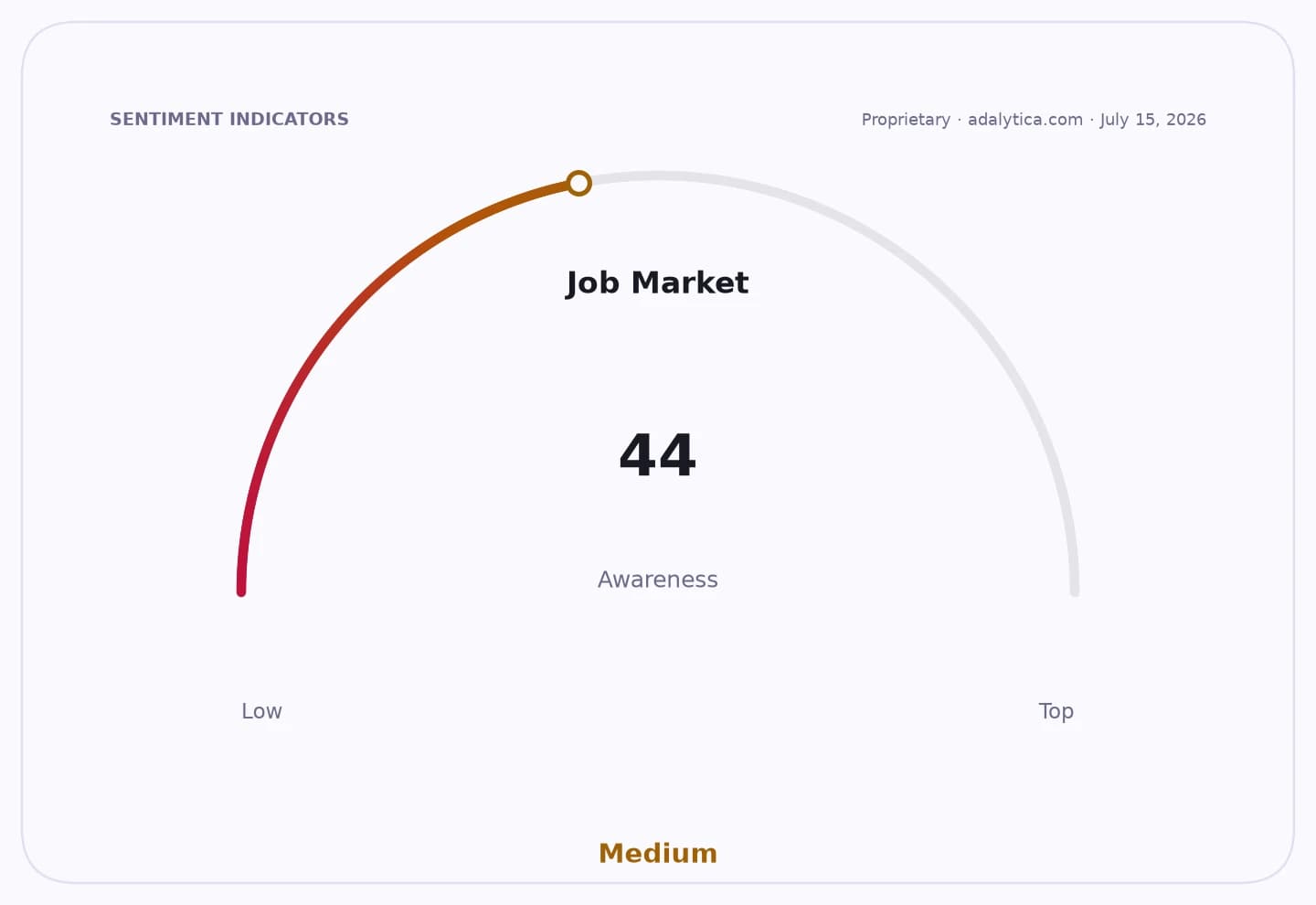
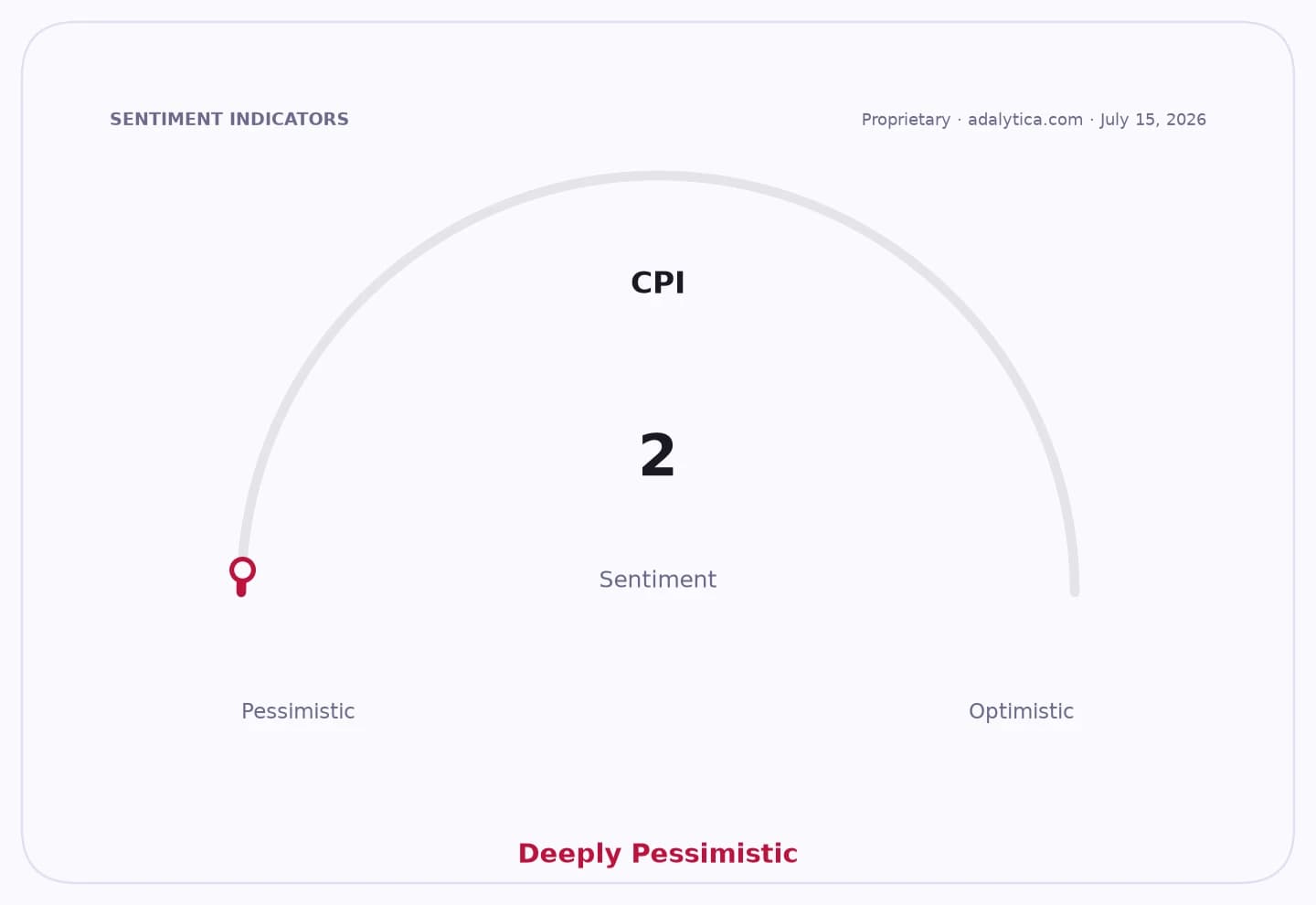
Sentiment IndicatorsⓘProprietary · adalytica.com · September 23, 2026
This is a snapshot — live sentiment, awareness and momentum for 130+ markets update continuously in the dashboard.Open AlphaPulse
That matters because electricity is one of the most visible monthly expenses and the savings, while modest individually, can be redirected to groceries and other essentials. In a period of hot weather, when air-conditioning use typically rises, the measure gives immediate relief without waiting for wage gains or broader inflation easing.
The upside for households is also the reason investors should watch how long the support lasts and how it is funded. The protection runs only until the end of December, making it a temporary buffer rather than a structural fix for Malaysia’s cost-of-living problem.
Ahmed Razman said consumers should use the reprieve to improve energy efficiency, especially around high-usage appliances such as air-conditioners, water heaters and other power-intensive equipment. That could limit the jump in bills once the current protection expires and the normal tariff structure returns.
For policymakers, the bigger question is whether the scheme gets retargeted next year. The economist said the government should review the mechanism, focusing on aid for households that truly need it while preserving public finances and the energy sector’s long-term sustainability.
| Entity | Gains | Losses |
|---|---|---|
| Households using up to 800 kWh | ▲Lower monthly bills | ▼Less protection after December |
| Lower- and middle-income consumers | ▲More cash for essentials | ▼Exposure to higher bills later |
| Malaysian government | ▲Short-term cost-of-living relief | ▼Fiscal pressure if support broadens |
| Energy sector | ▲Near-term political support | ▼Risk of future tariff rollback pressure |