Lithuania’s prime minister argued that tanks and steel alone cannot protect a state, putting culture, citizenship and education at the center of national defense as Europe braces for a long contest with Russia.
Lithuania defense spending shifts to culture, education
That matters because the fight for resilience is no longer limited to borders, missiles and air defenses. It now includes social cohesion, historical memory and the ability of a population to absorb pressure without fracturing — the same vulnerabilities Moscow has targeted in Ukraine through attacks on identity, heritage and infrastructure. For investors, that broadens the security trade from pure defense contractors into education, content, digital infrastructure and resilience-related public spending.
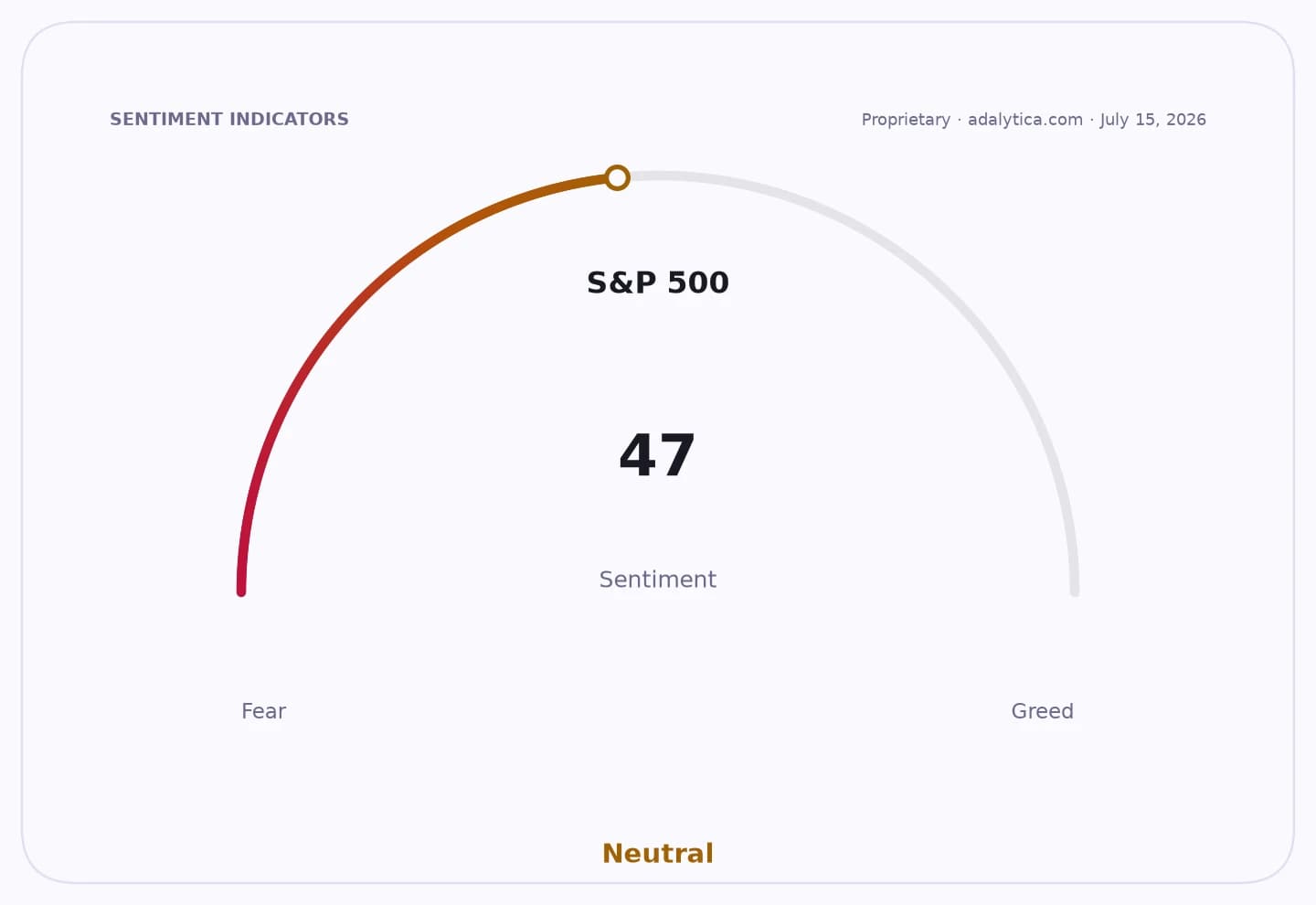
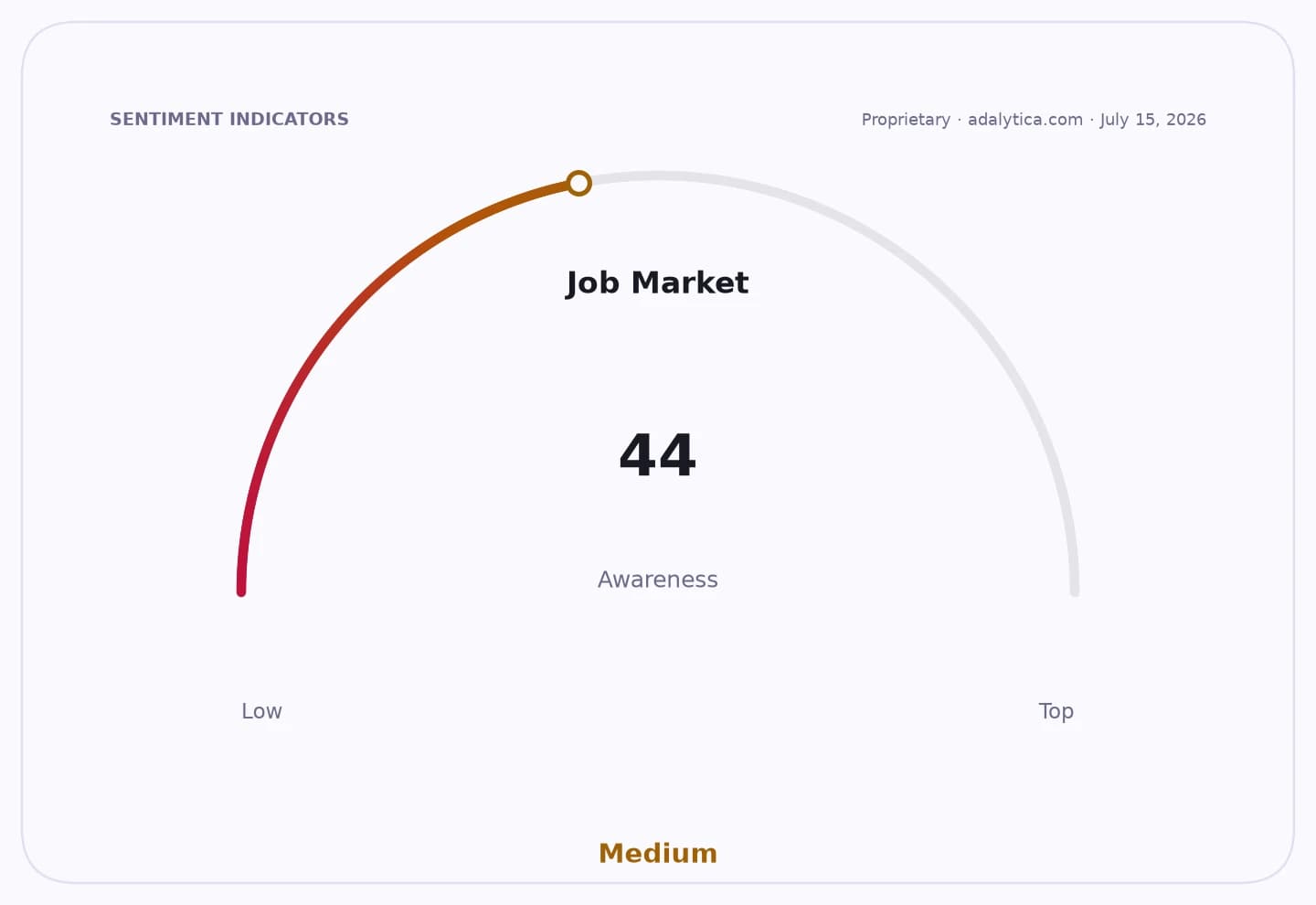
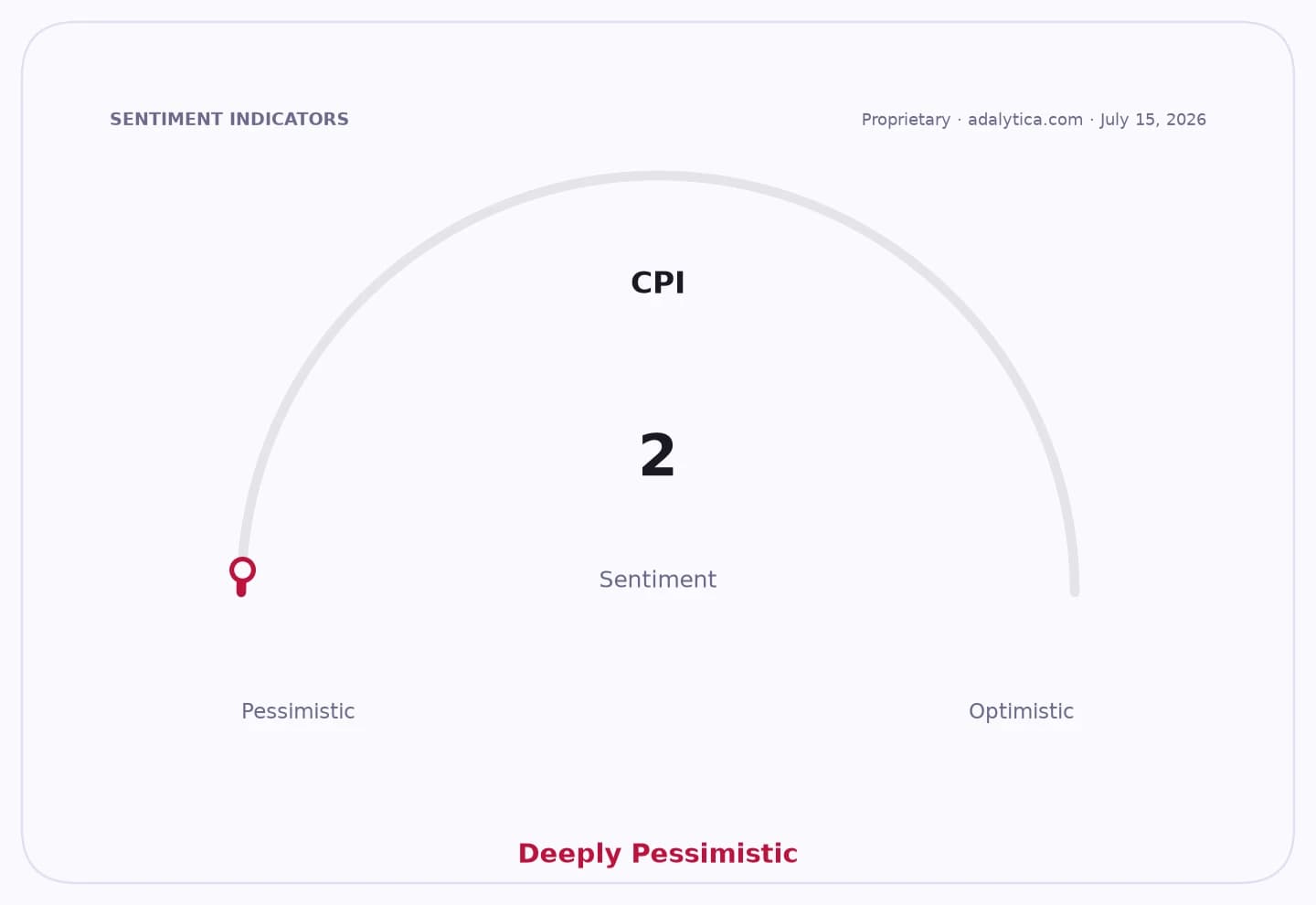
Sentiment IndicatorsⓘProprietary · adalytica.com · September 20, 2026
This is a snapshot — live sentiment, awareness and momentum for 130+ markets update continuously in the dashboard.Open AlphaPulse
Speaking at a conference titled “Universal defense: the role of culture and education,” the prime minister said culture and education shape how people understand the state and how strong their commitment to it is. “Commitment is also the will to defend,” he said, warning that dismissing their role in national security would be a “critical mistake.”
The message is increasingly relevant as Europe recalibrates what defense spending means. Governments are already under pressure to rebuild ammunition stocks, air defenses and cyber capabilities, but the war in Ukraine has made clear that infrastructure, narratives and national identity are also battlegrounds. That suggests a wider and more durable budget cycle than the market often prices in: not just more hardware, but more money for schools, museums, media literacy, civic education, cybersecurity and critical infrastructure protection.
The market has largely focused on the obvious beneficiaries of the rearmament cycle — missiles, drones, sensors and command systems. But the deeper opportunity may sit in the enabling layer, where states try to strengthen the “whole-of-society” model that Lithuania is now explicitly endorsing. Educational technology providers, training firms, cyber defense vendors and companies tied to public-sector digital modernization could see a longer runway as security policy expands beyond the military industrial base.
That thesis fits a broader backdrop of rising geopolitical risk and persistent cyber threats. Recent warnings from regulators and security agencies, together with attacks exploiting patched vulnerabilities in critical systems, underline how quickly national resilience can be tested in the digital domain. The economic consequence is simple: governments have to spend to harden systems before disruptions become growth shocks.
For investors, this is a reminder that the next leg of the security trade may not be the loudest one. The market underestimates how much capital will flow into the soft infrastructure of national defense — the tools that build allegiance, reduce disinformation, and keep public institutions functioning under stress. I believe that is where the asymmetric upside lies over the next several years.
The smartest positioning is to look beyond headline defense names and toward the picks-and-shovels of resilience: cyber, education platforms, communications infrastructure and public-sector technology. Lithuania’s message is not just political rhetoric; it is a blueprint for how European security spending is likely to evolve.
| Entity | Gains | Losses |
|---|---|---|
| Defense contractors | ▲Bigger security budgets | ▼Narrow hardware-only focus |
| Education and edtech firms | ▲Public-sector demand | ▼Cyclical enrollment risks |
| Cybersecurity vendors | ▲Resilience spending | ▼Patch-and-react models |
| States pursuing cohesion | ▲Stronger national resilience | ▼Adversaries’ influence campaigns |